


How Does an Induction Cooker Work? The Heat Trick
How does an induction cooker heat a pan without a flame? See how coils, magnetic fields and eddy currents turn electricity into cooking heat.
12 min read87views
The strange, clever and misunderstood sides of technology — how things really work under the hood.
118 stories · page 3 of 10
How does an induction cooker heat a pan without a flame? See how coils, magnetic fields and eddy currents turn electricity into cooking heat.

How does Bluetooth work without a cable? See how pairing, radio packets, frequency hopping, and low-power design keep devices connected from earbuds to sensors.

How does satellite internet work? See how terminals, satellites, gateways, LEO, GEO and high-throughput networks move everyday data across space.

Ever wonder why E-Ink looks like real paper? See how charged particles move, why sunlight helps, and how the display saves power between page turns.
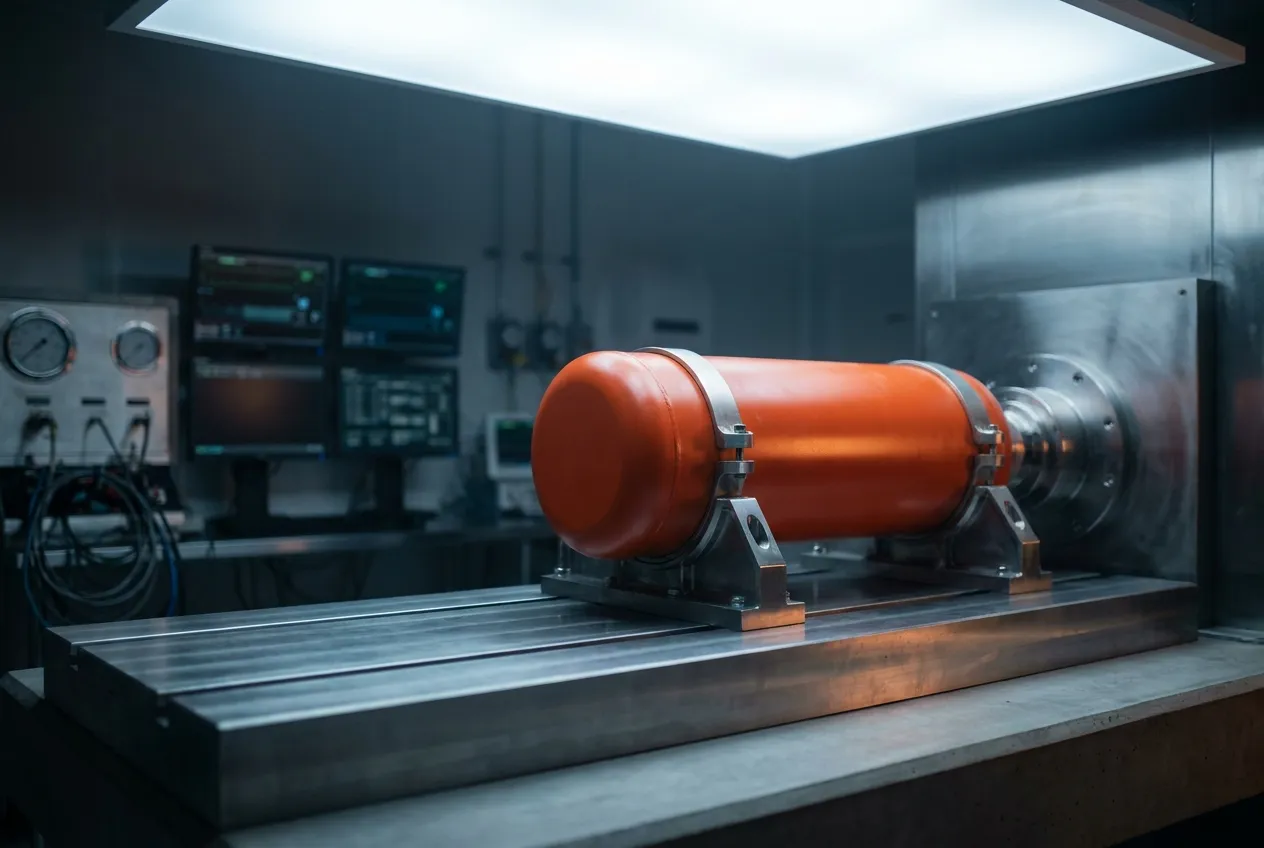
Discover how airplane black boxes survive 3,400g impacts, 2,000°F jet fuel fires, and deep sea pressure to protect critical flight data after a crash.
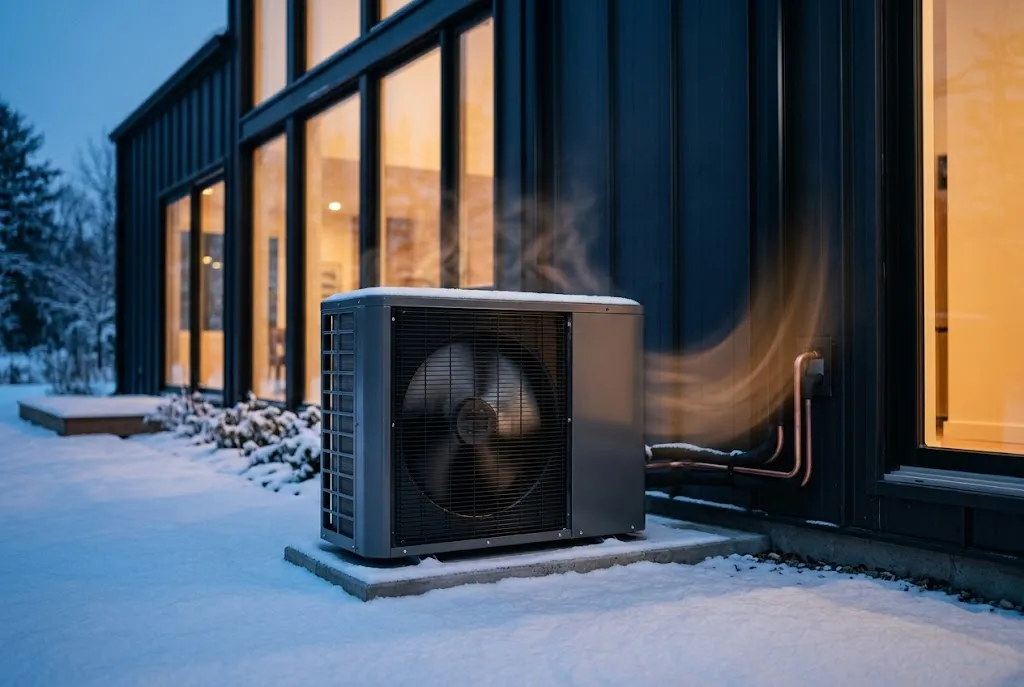
How does a heat pump heat your home in winter and cool it in summer? See the refrigerant cycle, compressor, reversing valve, and efficiency explained.
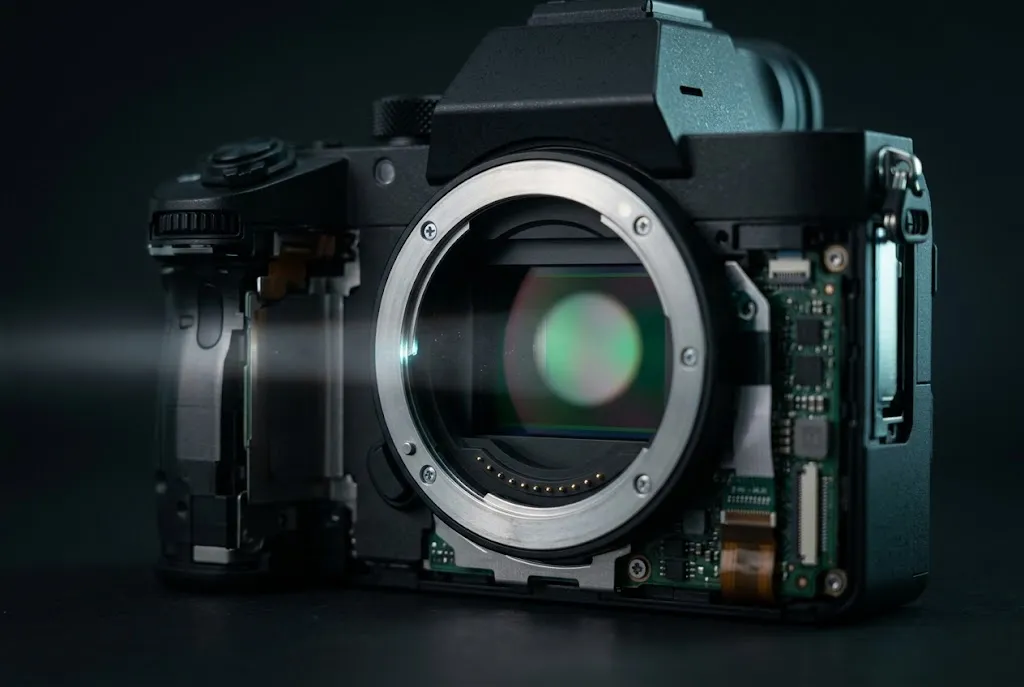
How does a digital camera sensor turn light into a photo? See how photons, photosites, color filters, and image processors build every digital image.
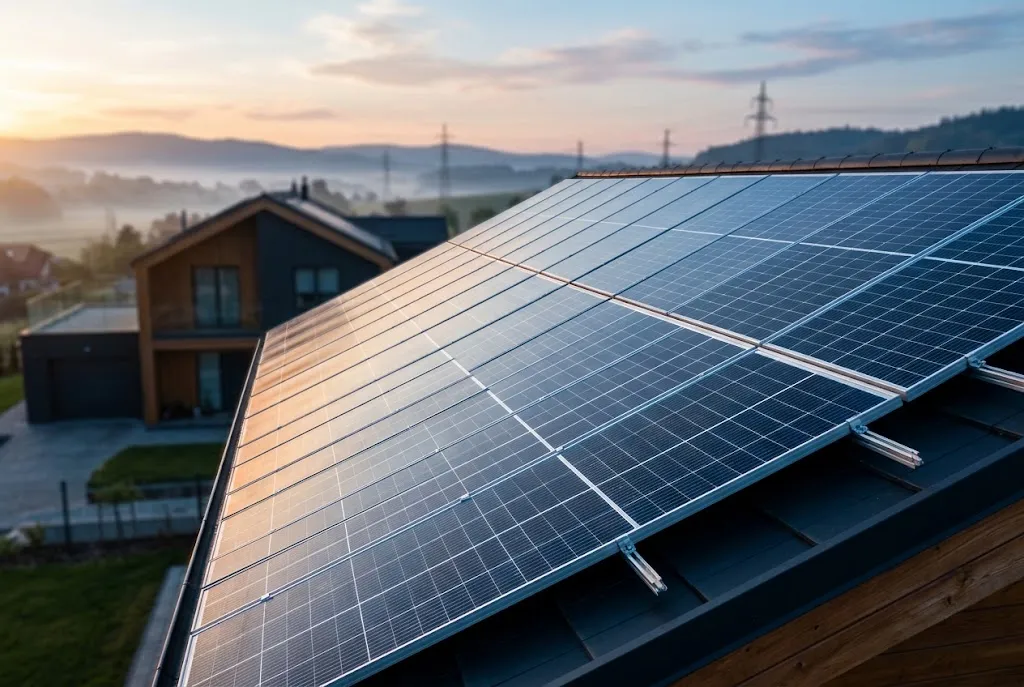
How do solar panels work? See how silicon cells turn sunlight into electricity, why heat lowers output, and how inverters send solar power to your home.
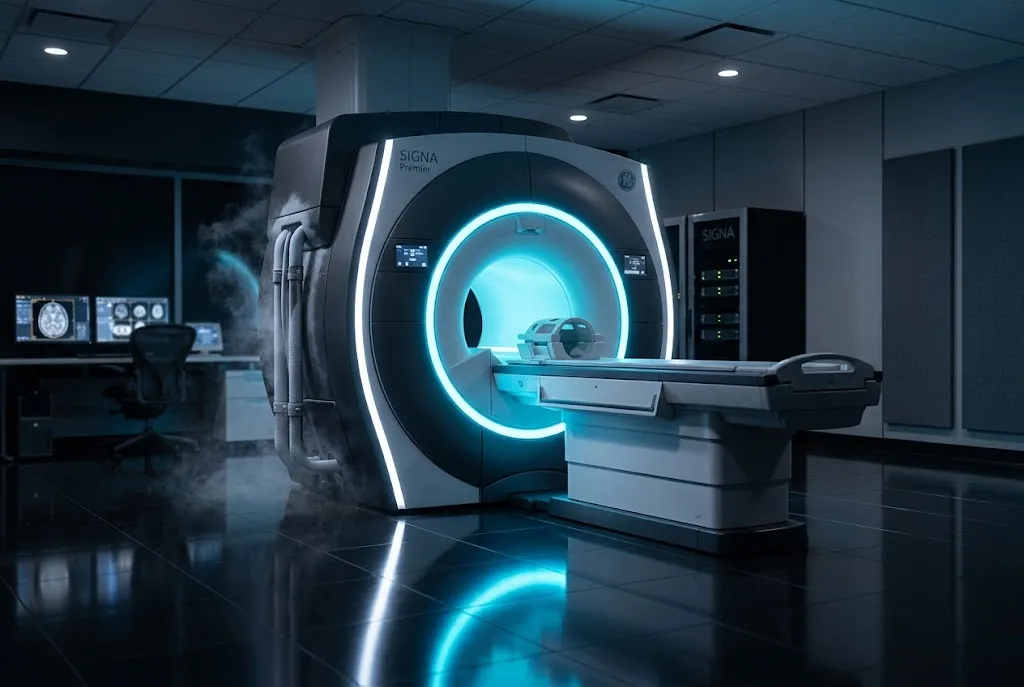
Curious how MRI machines map human tissue using magnets and radio waves instead of radiation? Here is the quantum physics behind nuclear magnetic resonance.
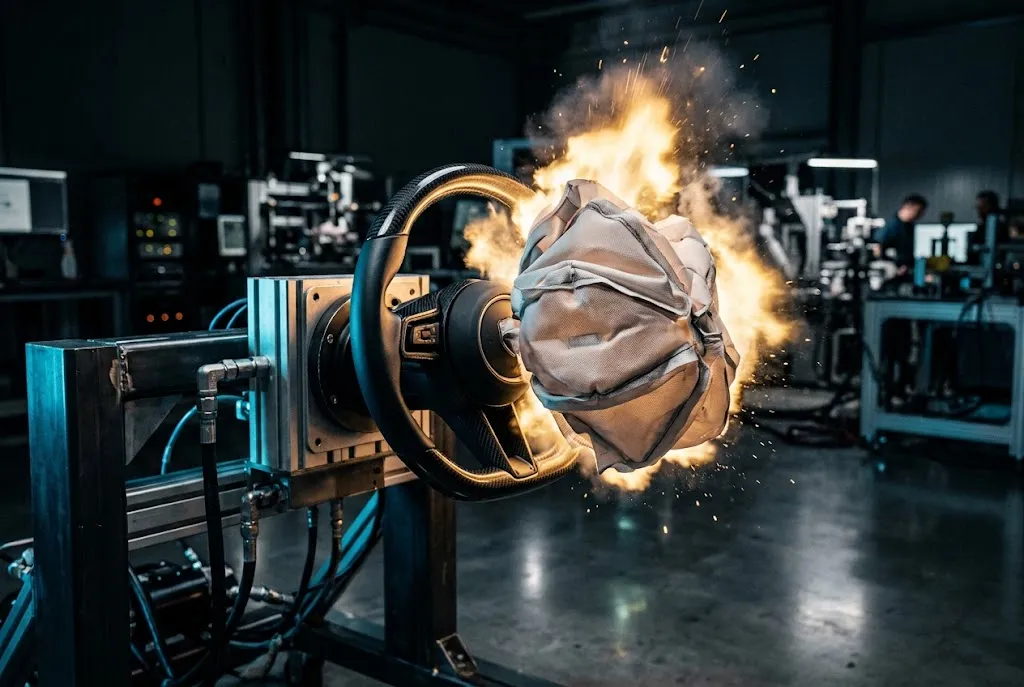
Discover the violent chemistry and micro-second physics that allow your car's airbag to inflate from a solid pellet to a life-saving cushion in 30 milliseconds.

Discover how smoke detectors use nuclear isotopes and optical sensors to detect invisible fires before you can even smell smoke. Real physics explained.
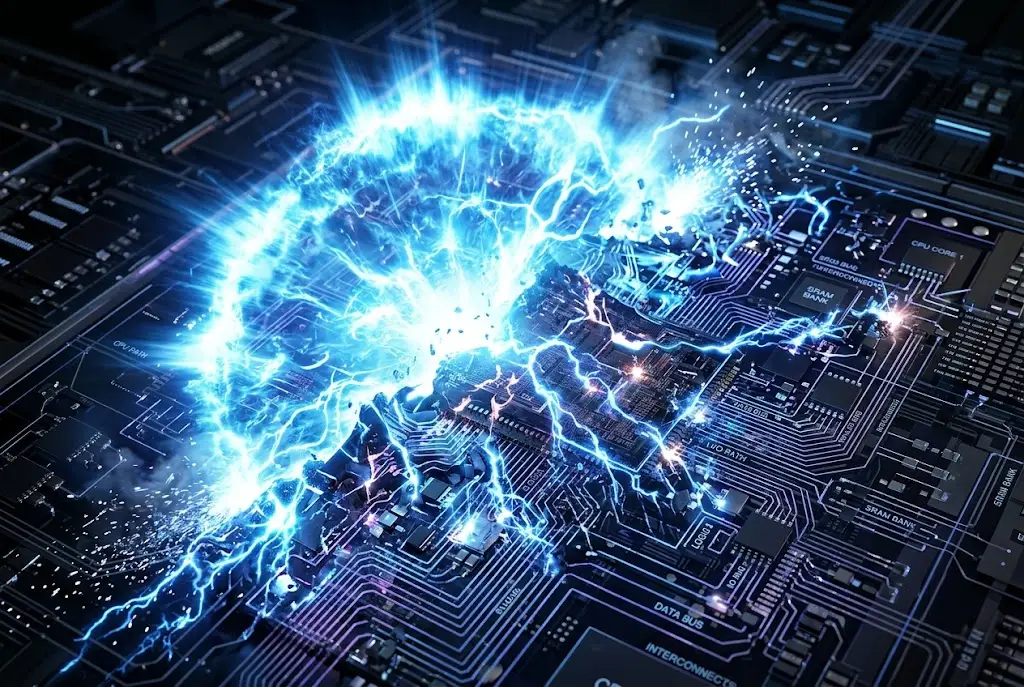
Discover how EMP weapons fry microchips instantly. Explore the physics of E1 nanosecond surges, semiconductor thermal runaway, and modern hardening methods.