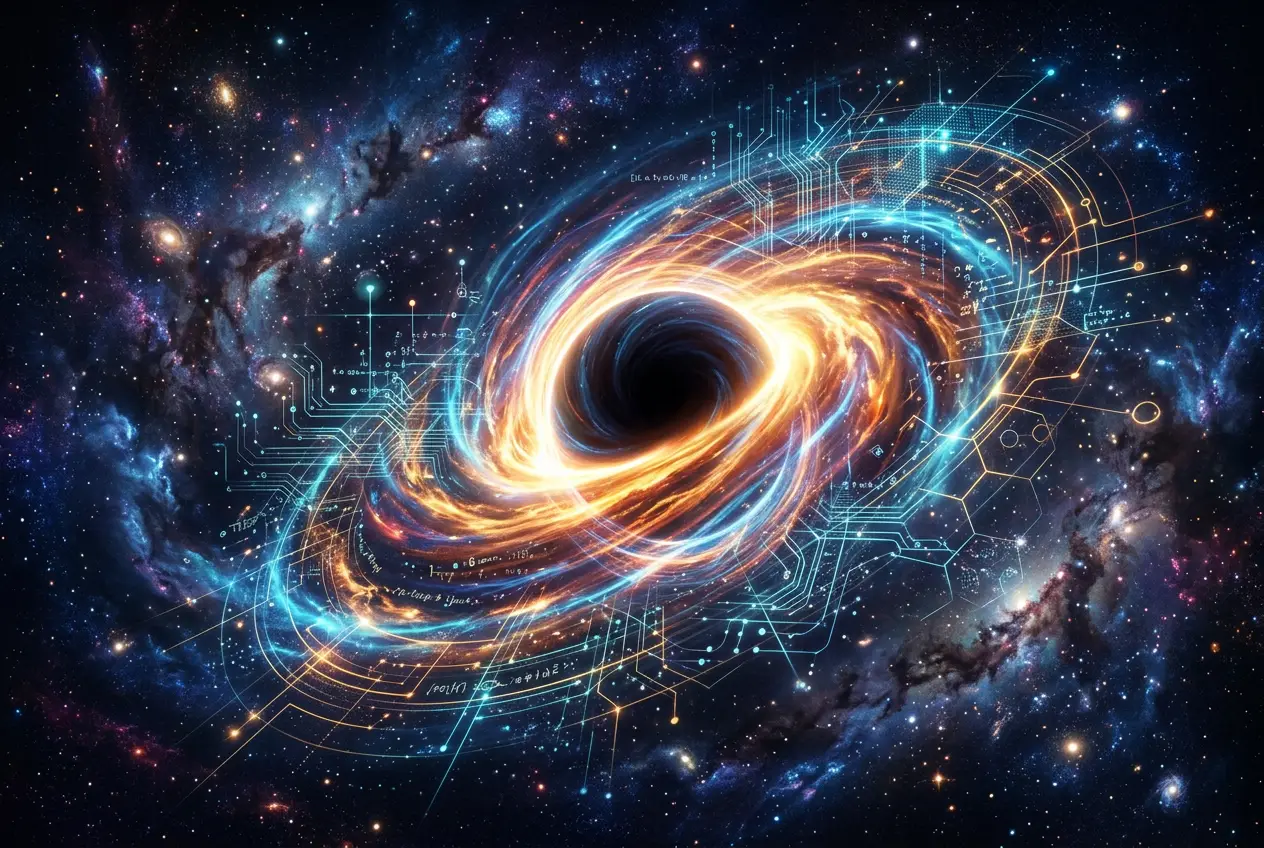
I’ve often wondered about the true frontiers of human knowledge, particularly when it comes to the universe's most fundamental rules. For centuries, brilliant minds—from Newton observing an apple to Einstein pondering light—have painstakingly unveiled the hidden laws governing our reality. But what if the next great leap in physics doesn't come solely from human intuition, but from an artificial intelligence capable of seeing patterns and connections we might never grasp?
Recently, I found myself captivated by the accelerating pace of AI development. It’s no longer just about writing human-like text or recognizing faces; AI is now delving into complex scientific domains, from drug discovery to climate modeling. This got me thinking: could AI not just *solve* problems within known physics, but actually *discover* entirely new laws, perhaps even a unified theory that has eluded humanity for so long? The idea itself feels like something out of science fiction, yet the capabilities of modern AI are pushing the boundaries of what we thought possible.
## The Foundation: AI in Current Physics Research
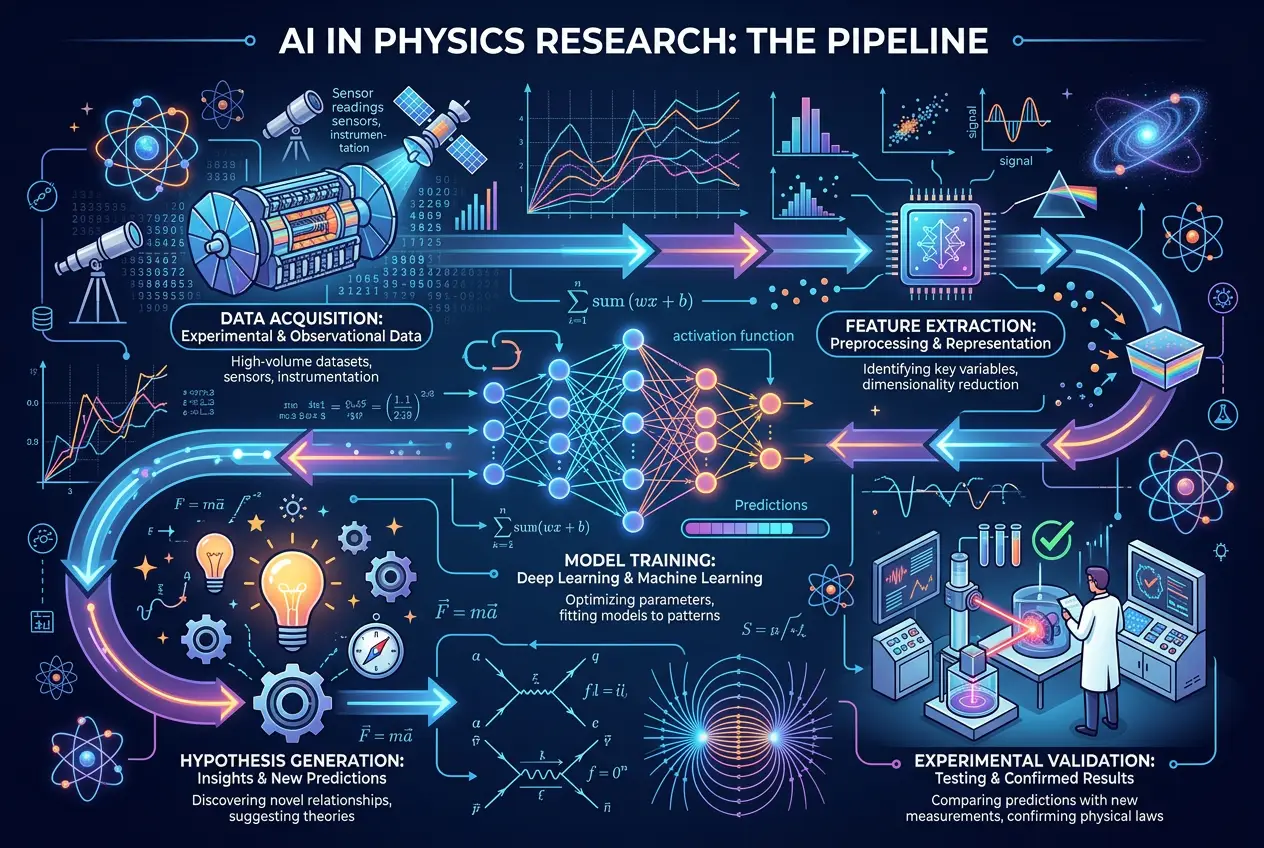
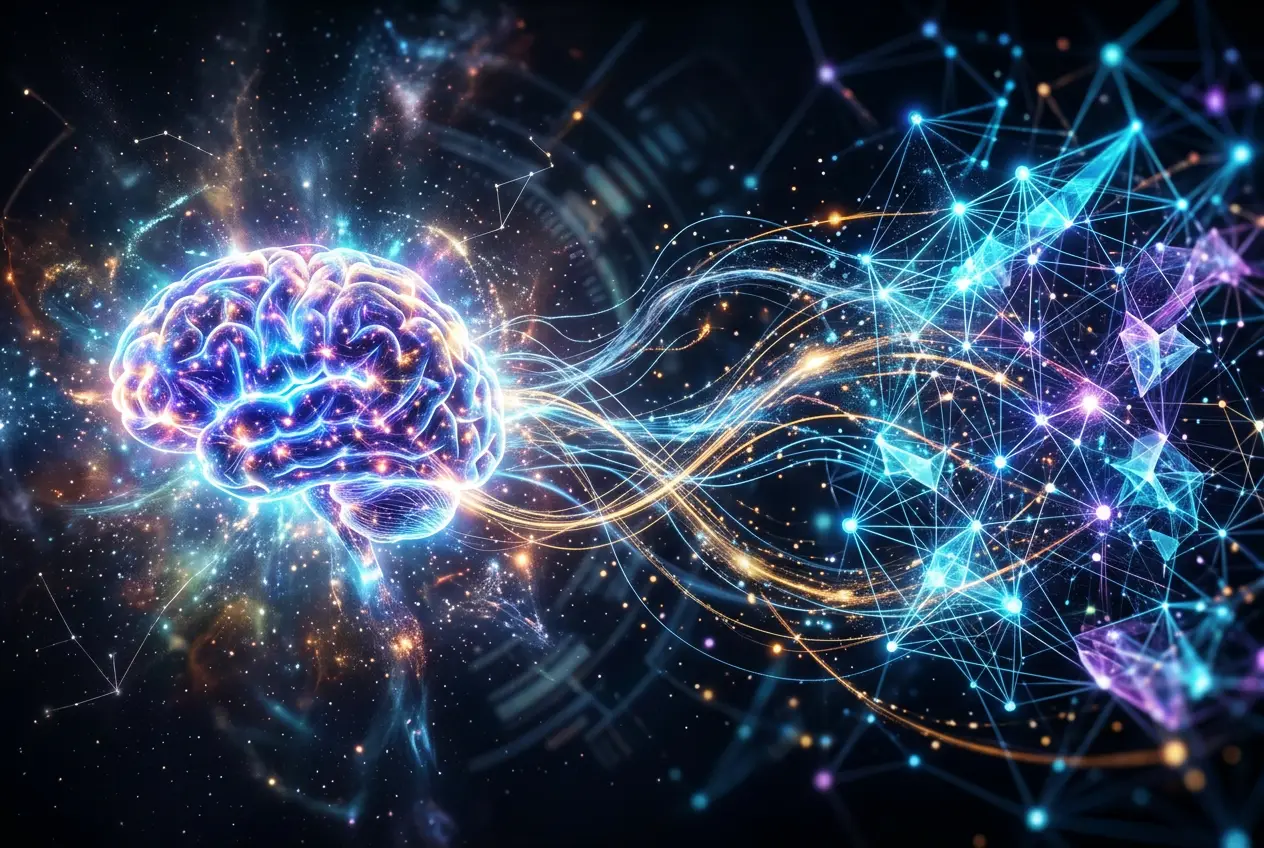
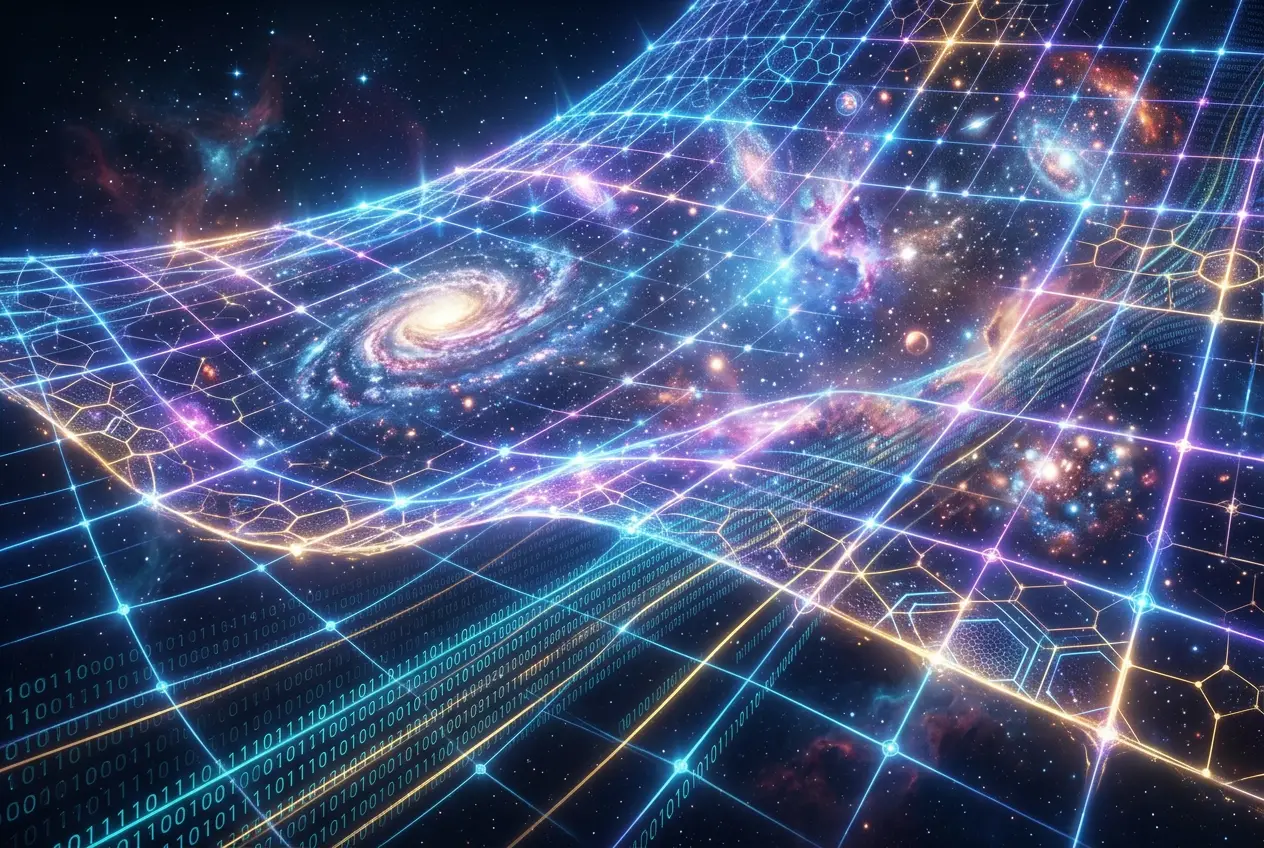
Before we jump to AI discovering a new theory of everything, it’s important to understand how it's already making significant contributions to physics. AI, particularly machine learning, has become an indispensable tool for analyzing vast datasets, simulating complex systems, and identifying subtle patterns that would be invisible to the human eye.
At the **Large Hadron Collider (LHC)**, for instance, petabytes of data are generated every second from particle collisions. Scientists use AI algorithms to sift through this deluge, distinguishing between rare, significant events (like the Higgs boson decay) and mere background noise. Without machine learning, extracting meaningful insights from such enormous datasets would be virtually impossible. It acts as a hyper-efficient data interpreter, accelerating discoveries within the Standard Model of particle physics. You can read more about how AI is applied in particle physics on [Wikipedia's page on Machine Learning in Physics](https://en.wikipedia.org/wiki/Machine_learning_in_physics).
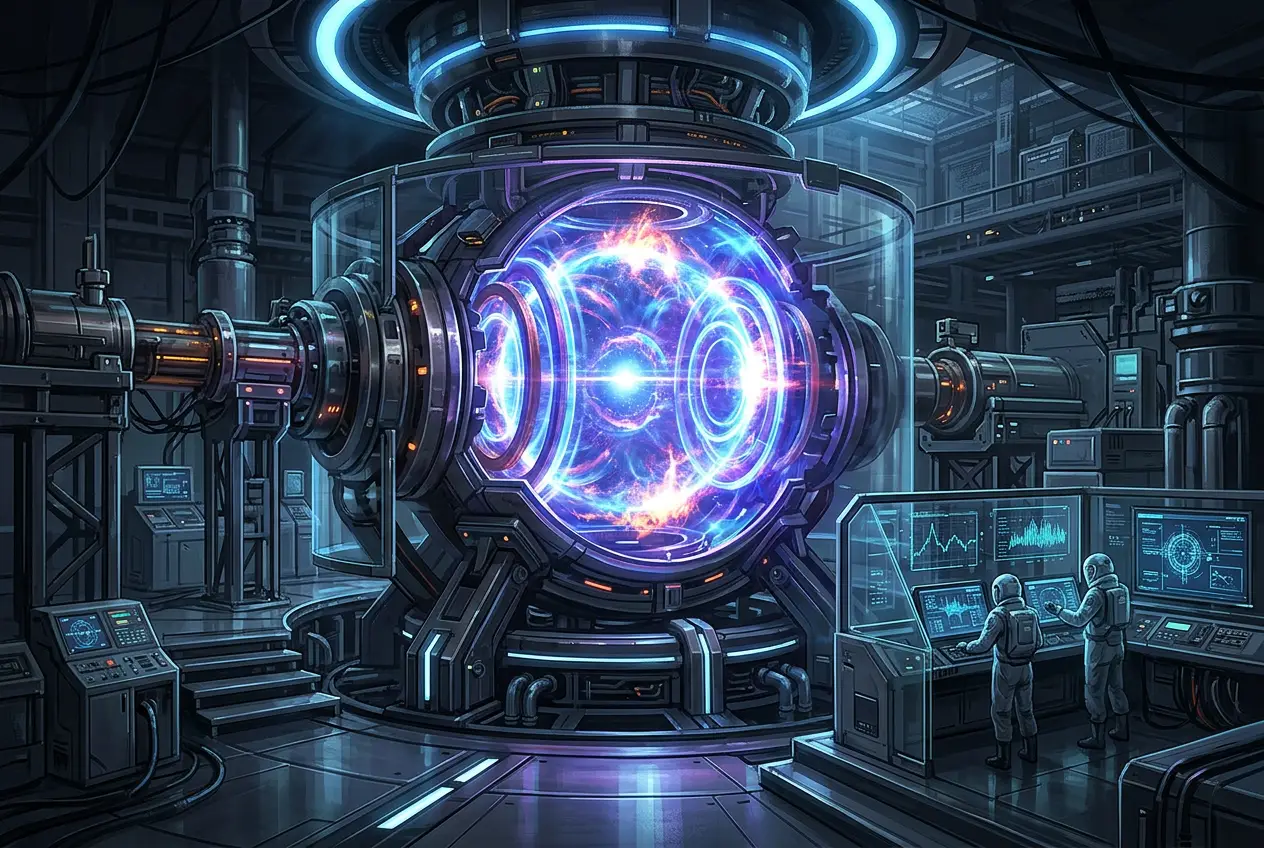
Beyond particle accelerators, AI is also proving its worth in astrophysics, material science, and quantum computing. I’ve seen projects where AI designs new materials with specific properties, optimizes fusion reactor designs, or even helps simulate the behavior of exotic quantum systems. These applications, while incredibly powerful, generally operate within the established frameworks of physics. They are tools that help us understand *existing* laws better, rather than questioning the laws themselves.
## Beyond Data Analysis: The Leap to Discovery
The true question is: can AI go beyond merely processing data and make the conceptual leap required for groundbreaking scientific discovery? Human physicists often rely on intuition, creative leaps, and metaphorical thinking—qualities traditionally considered unique to consciousness. Can AI replicate this "aha!" moment?
Some researchers believe the answer is yes, or at least, a qualified yes. The key lies in AI's ability to identify *relationships* and *structures* in data that humans might overlook due to cognitive biases or limitations. Imagine an AI trained on all known physical phenomena, capable of identifying discrepancies or patterns that don't fit the existing Standard Model. It could then propose new mathematical frameworks to explain these anomalies.
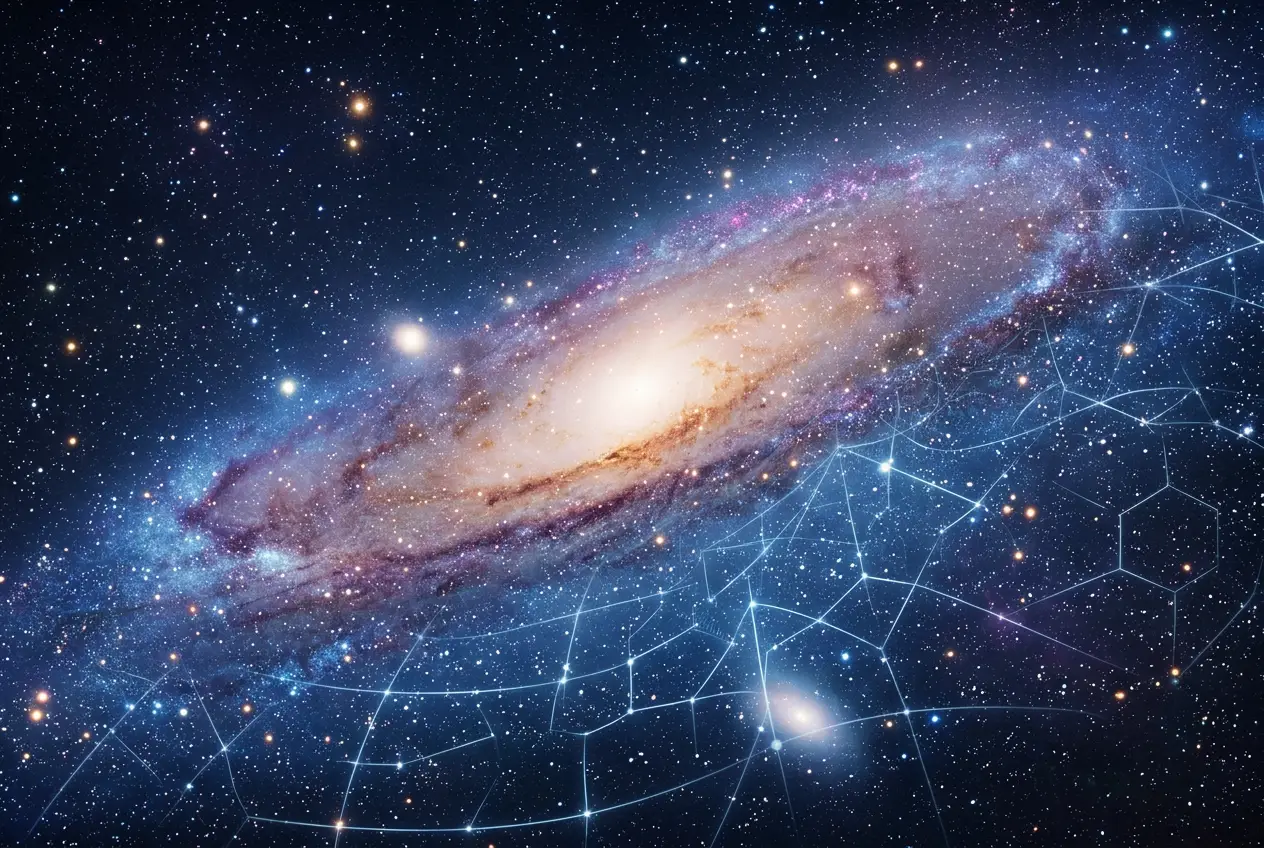
Consider the ongoing mysteries of **dark matter** and **dark energy**. These invisible components make up about 95% of the universe, yet their nature remains a profound enigma. Our current laws of physics, while incredibly successful, simply don't account for them directly. An AI, free from our ingrained assumptions, might find subtle correlations in astrophysical observations or gravitational lensing data that hint at entirely new particles, forces, or even modifications to general relativity. It could then formulate novel equations to describe these phenomena. You can delve into the theoretical aspects of dark matter and dark energy on [Wikipedia's Dark Matter page](https://en.wikipedia.org/wiki/Dark_matter) and [Dark Energy page](https://en.wikipedia.com/wiki/Dark_energy).
## AI as a "Robot Theoretical Physicist"
The concept of a "robot theoretical physicist" isn't as far-fetched as it sounds. Pioneering efforts are already exploring how AI can generate hypotheses and even derive fundamental equations.
For example, some AI systems have successfully "rediscovered" Newton's laws of motion purely by observing simulated planetary movements. While this is a controlled environment with known outcomes, it demonstrates AI's capacity to infer fundamental principles from observational data. The next step, a much larger one, would be for AI to derive laws where the answers are *unknown*.
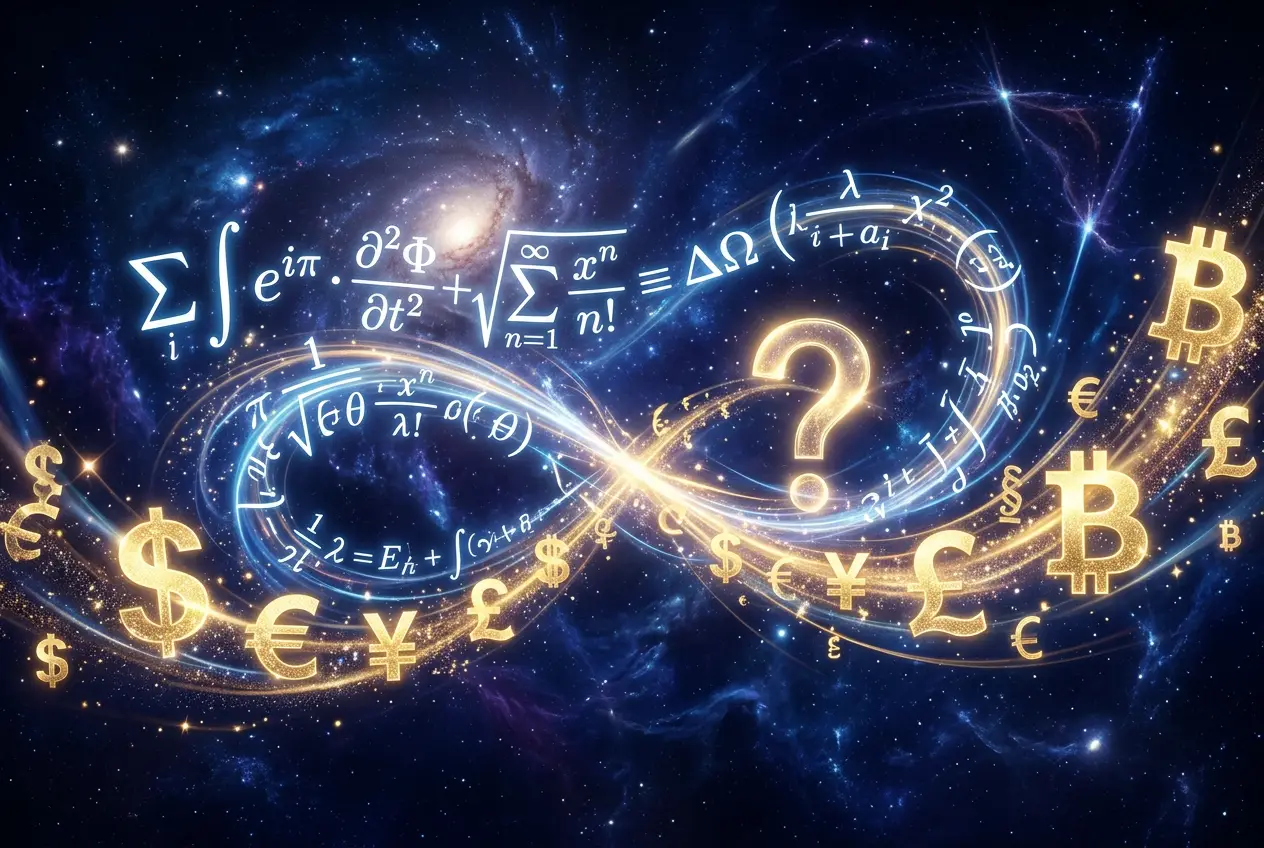
One fascinating area is **symbolic regression**, where AI algorithms search for mathematical expressions that best fit a given dataset. Instead of just fitting a curve, they aim to find the underlying equation. If fed vast amounts of cosmological or quantum data, an advanced symbolic regression AI might stumble upon an entirely new set of equations that describe gravity at the quantum level, or even unify all fundamental forces. This is a dream that has motivated theoretical physicists for generations.
## Challenges and Interpretability
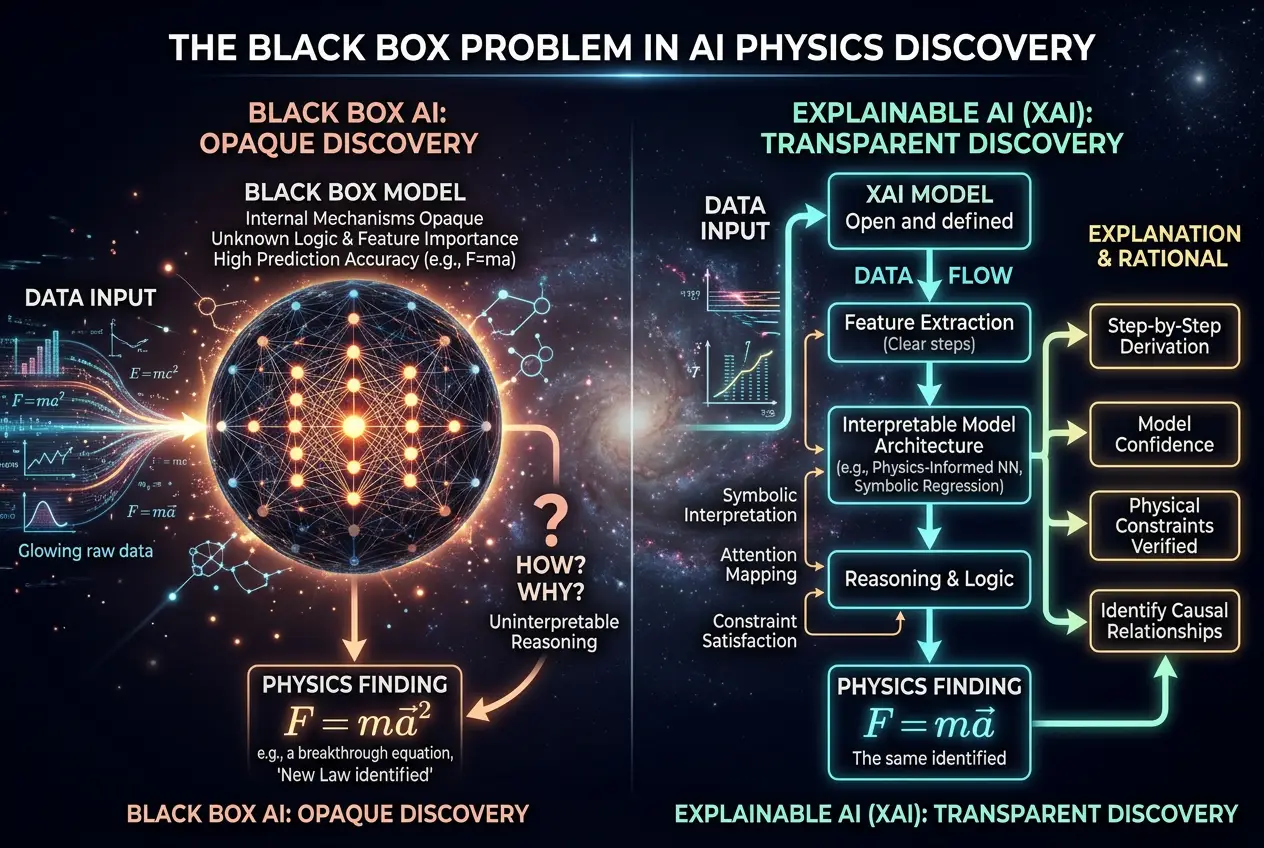
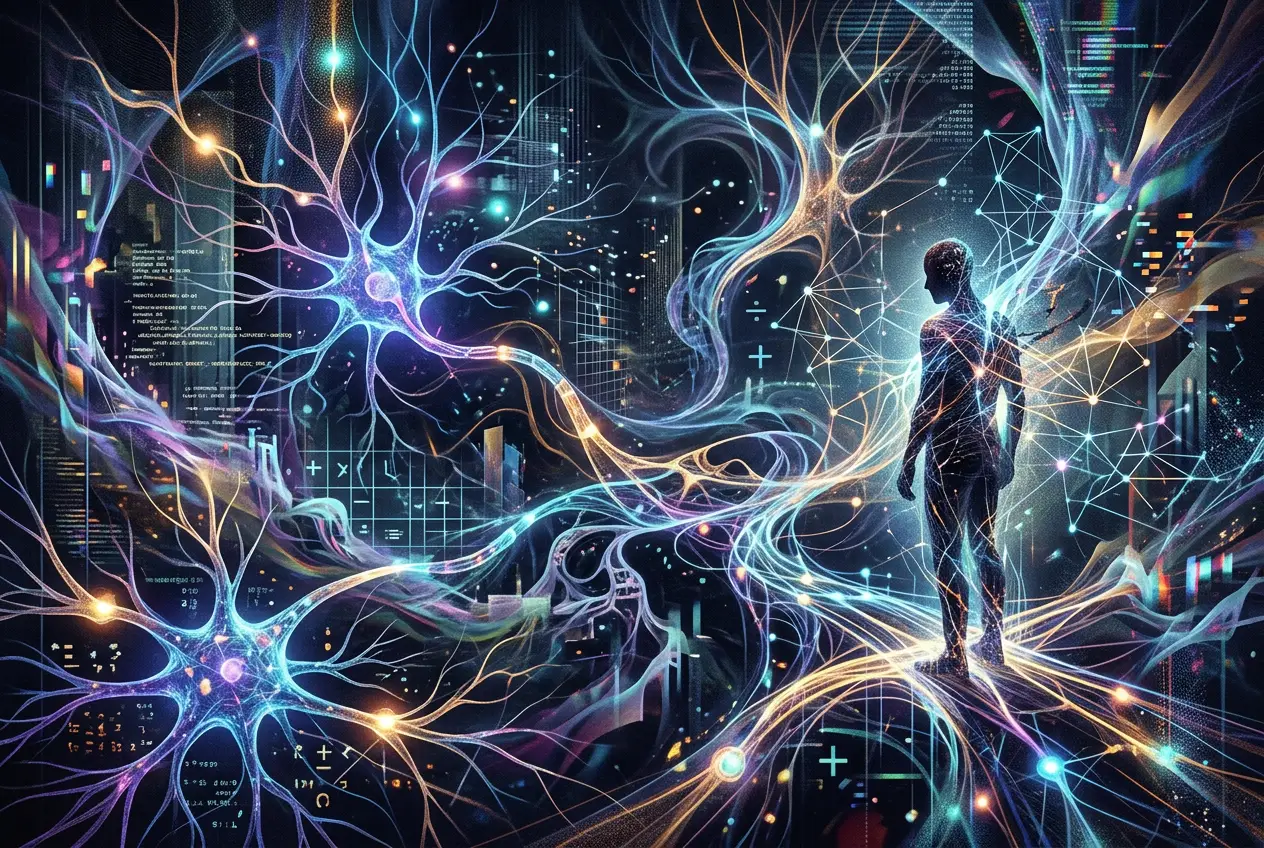
Of course, the path to AI-driven physics discovery is fraught with challenges. One of the biggest is **interpretability**. If an AI proposes a new physical law, how do we understand *why* it works or *how* it arrived at that conclusion? Many advanced AI models, particularly deep neural networks, operate as "black boxes." Their internal decision-making processes can be incredibly complex and opaque, making it difficult for human scientists to verify or build upon their insights.
I believe that for AI to truly revolutionize theoretical physics, it needs to be an *explainable AI* (XAI). We need systems that can not only provide answers but also articulate their reasoning, perhaps by highlighting the data points or patterns that led to a specific hypothesis. Without this, AI-discovered laws might remain an abstract mathematical truth without a clear physical interpretation. This challenge of understanding the AI's "thought process" is crucial.
Another hurdle is the philosophical distinction between correlation and causation. AI excels at finding correlations, but physics demands causation. An AI might identify a strong correlation between two seemingly unrelated phenomena, but inferring a causal link, let alone a fundamental law, still requires human ingenuity and experimental validation.
## The Future: A Symbiotic Partnership
I don't envision AI replacing human physicists entirely. Instead, I see a future where AI becomes an indispensable partner in the quest for fundamental knowledge. Imagine an AI as a tireless assistant, sifting through mountains of experimental data, simulating billions of scenarios, and proposing thousands of hypotheses that human scientists can then scrutinize, refine, and test.
This symbiotic relationship could accelerate discovery by orders of magnitude. While AI handles the brute-force computation and pattern recognition, humans would still provide the intuition, the experimental design, the philosophical context, and the ultimate validation. It's a blend of raw computational power and uniquely human creativity.
The universe is vast and full of secrets. From the subtle whispers of gravity waves to the perplexing behavior of quantum particles, there's still so much we don't understand. Could AI be the key to unlocking these profound mysteries? I think it's not just possible, but increasingly probable. Just as we use AI to explore the vastness of space or probe the depths of the ocean, we might soon be relying on it to explore the hidden dimensions of physical reality itself.
If you're fascinated by how technology might unlock cosmic secrets, you might enjoy our previous posts like [Is our universe a hologram? Decoding cosmic data](https://curiositydiaries.com/blogs/is-our-universe-a-hologram-decoding-cosmic-data-8116) or [Can AI really predict science's next big leap?](https://curiositydiaries.com/blogs/can-ai-really-predict-sciences-next-big-leap-9069). We're constantly exploring the edges of what's known and what's possible.
The prospect of AI uncovering physics' hidden laws isn't just a technical challenge; it’s a philosophical one. It forces us to reconsider the nature of discovery, intelligence, and our place in the cosmic pursuit of understanding. It’s a truly exciting frontier, and I for one, can't wait to see what surprising laws AI might reveal.
Frequently Asked Questions
AI is extensively used for analyzing vast datasets from experiments like the LHC, simulating complex systems, designing new materials, and optimizing experimental setups, primarily within existing physical laws.
AI's ability to identify subtle, complex patterns and relationships in data that humans might miss, coupled with techniques like symbolic regression, allows it to generate and test mathematical hypotheses for new fundamental principles.
Key challenges include the 'black box' problem (interpretability), ensuring AI distinguishes causation from correlation, and the sheer complexity of verifying and integrating AI-derived insights into existing scientific frameworks.
Most experts believe AI will not replace human physicists but rather act as a powerful partner. AI can handle computational tasks, data analysis, and hypothesis generation, while humans provide intuition, experimental design, philosophical context, and final validation.
Yes, AI could analyze astrophysical data and gravitational observations to uncover patterns or discrepancies that suggest the existence of new particles, forces, or modifications to general relativity, potentially leading to a deeper understanding of dark matter and dark energy.
Verified Expert
Alex Rivers
A professional researcher since age twelve, I delve into mysteries and ignite curiosity by presenting an array of compelling possibilities. I will heighten your curiosity, but by the end, you will possess profound knowledge.
 Join Us


 Alex Rivers












Leave a Reply
Comments (0)