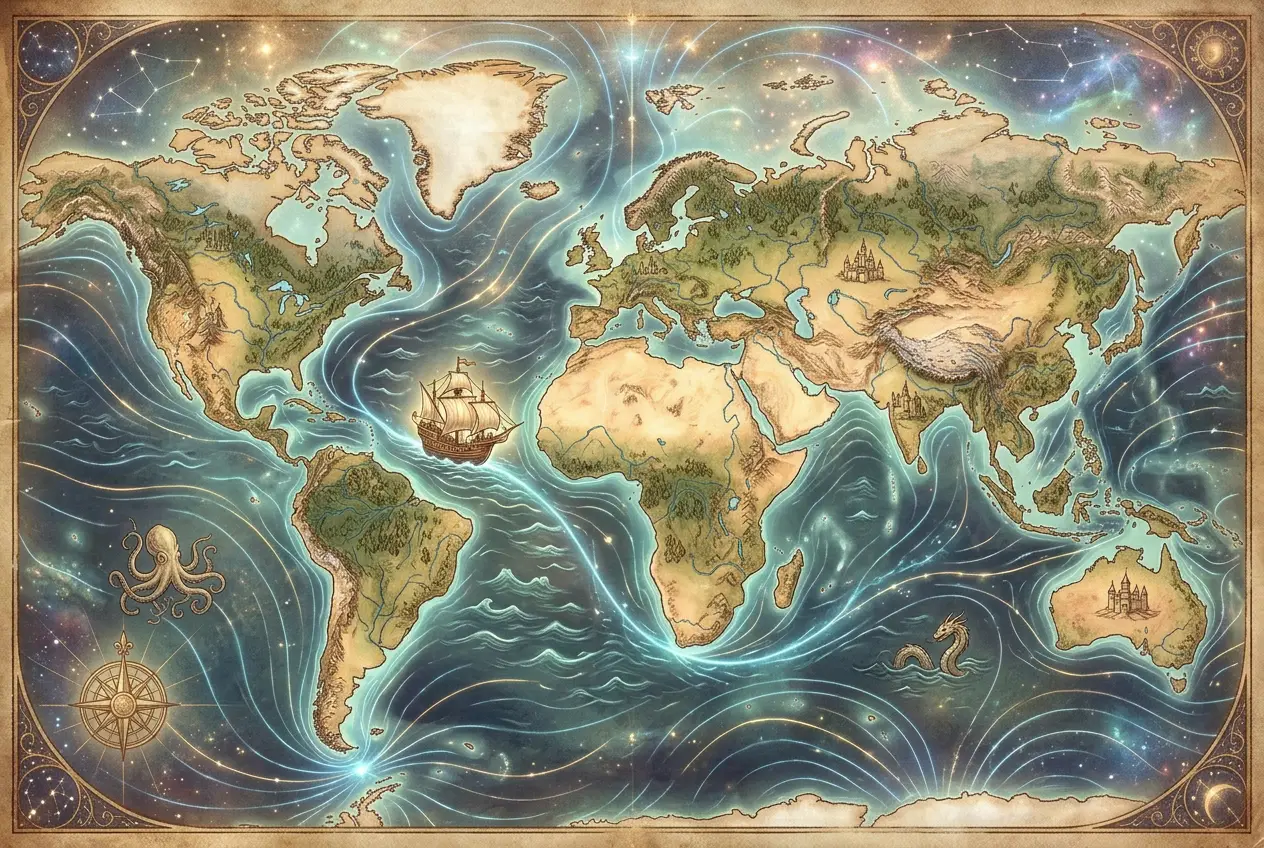
I’ve always been captivated by the sheer audacity of ancient navigators. Imagine setting sail across vast, uncharted oceans with nothing but the stars, the sun, and the rhythm of the waves as your guides. In an era devoid of satellites, GPS, or even reliable compasses for long stretches of history, how did these intrepid explorers manage to traverse thousands of miles, often returning to tiny islands barely visible on the horizon? While we credit celestial navigation and intricate knowledge of currents, I've often wondered if there was something more, a subtler sense, a primal compass embedded deep within their biology, tuned to Earth's very own magnetic map.
This isn't mere fantasy. The concept of **magnetoreception** — the ability to detect a magnetic field to perceive direction, altitude, or location — is well-established in the animal kingdom. Birds migrate thousands of miles without getting lost, sea turtles navigate back to their birth beaches, and even some bacteria orient themselves along magnetic field lines. Could our ancient ancestors have possessed a vestige of this extraordinary sense, using Earth's invisible geomagnetic field as an intuitive guide?
### **The Invisible Compass: How Animals Sense Earth's Fields**
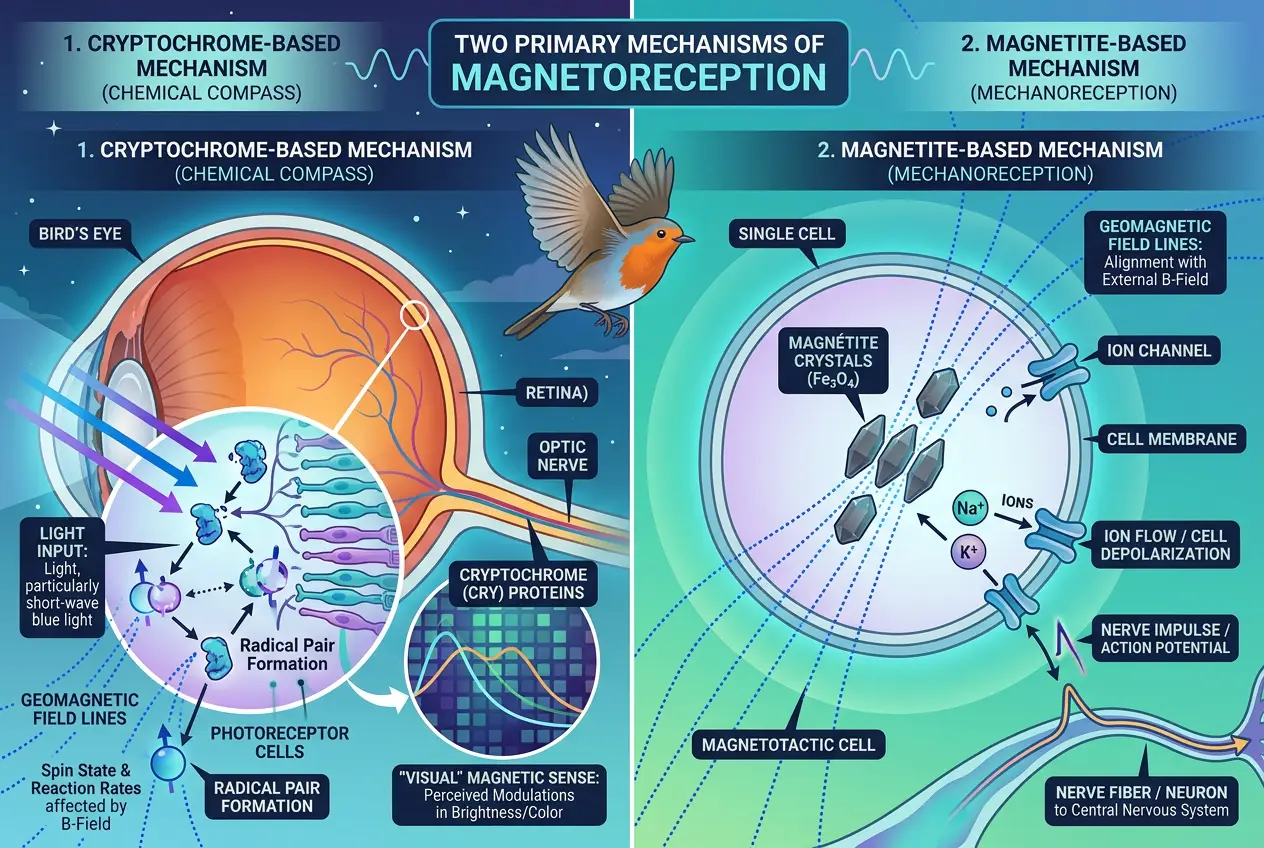
Before we dive into human possibilities, let’s understand how some creatures leverage this silent force. Animals employ a few remarkable mechanisms for magnetoreception. One prevalent theory involves **cryptochromes**, a class of proteins found in the eyes of many birds, insects, and even some mammals. When cryptochromes interact with light, they can form radical pairs whose spin states are incredibly sensitive to weak magnetic fields. This subtle interaction could create a "visual" overlay, allowing an animal to literally *see* the magnetic field lines. Imagine a compass needle being painted onto your retina, always pointing north!
Another mechanism involves **magnetite crystals**. These tiny, naturally magnetic crystals have been found in the tissues of various animals, including migratory birds, salmon, and even bees. These crystals can act like miniature compass needles, physically pulling on cellular structures or nerve endings, providing a direct, physical sensation of the magnetic field's direction and intensity. For a deeper dive into these fascinating biological systems, Wikipedia offers an excellent overview of
magnetoreception.
### **The Case for Ancient Human Magnetoreception**
So, could humans, particularly those living in closer harmony with nature and reliant on their senses for survival, have tapped into this ability? While modern humans don't consciously perceive magnetic fields, the idea isn't as far-fetched as it sounds. Our brains process vast amounts of sensory information subconsciously. Perhaps, like the subtle shifts in atmospheric pressure some people feel before a storm, ancient navigators experienced equally subtle, yet critically informative, magnetic cues.
Consider the immense pressure on early mariners. They weren't just sailing; they were *feeling* the sea, observing every cloud, every wave, every star. It's plausible that an innate sensitivity, perhaps akin to an extremely refined sense of direction or spatial awareness, was honed and passed down through generations. Some researchers suggest that human eyes contain cryptochromes, similar to those found in birds. While their function in human magnetoreception is still debated, the biological machinery *could* theoretically exist.
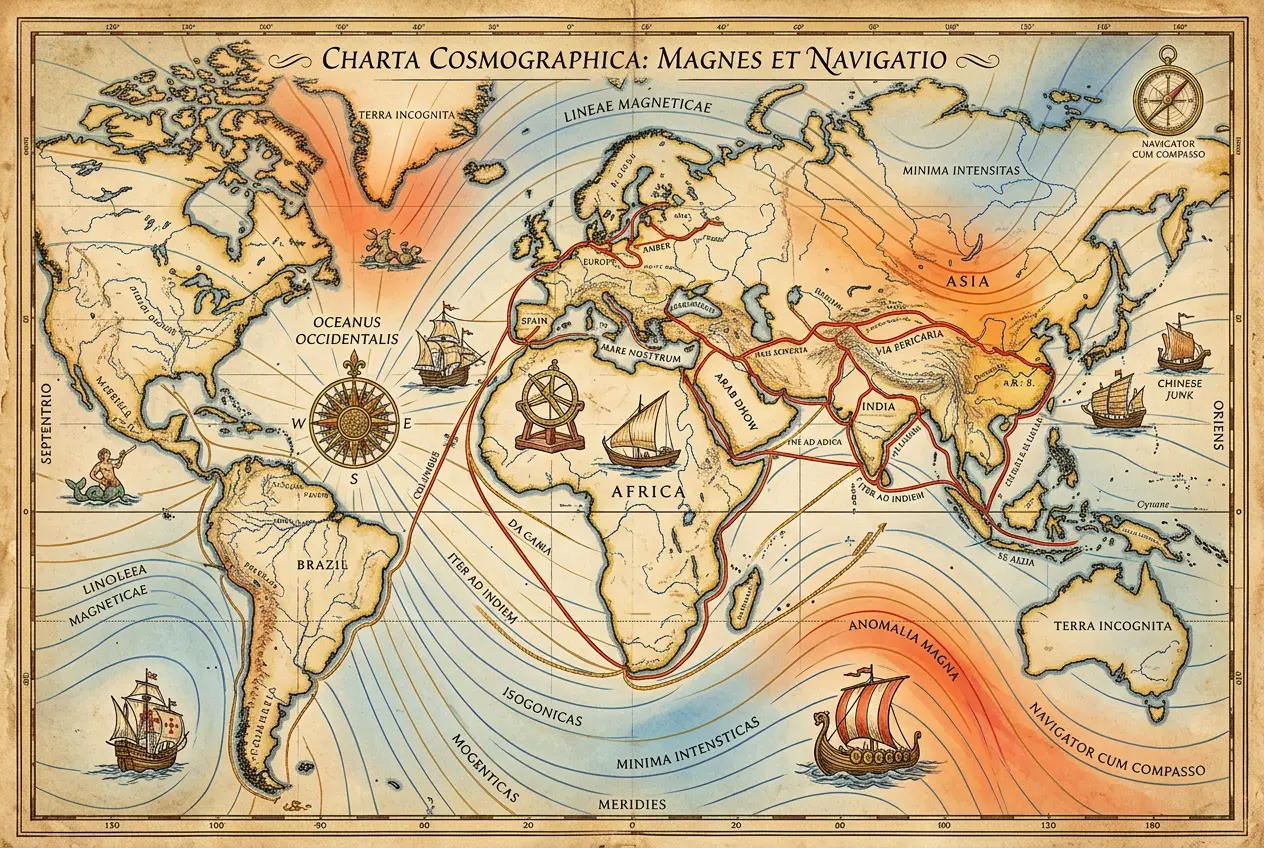
Historical records, though not explicit about magnetic navigation, sometimes hint at extraordinary navigational feats that defy simple explanation. Take the Polynesians, who settled vast stretches of the Pacific. Their "wayfinding" involved a complex system of celestial observation, wave patterns, and bird migrations. But some scholars wonder if a less tangible sense also played a role. Could subtle shifts in the Earth’s magnetic field, which varies in intensity and inclination across the globe, have provided additional, subconscious data points? These variations in the
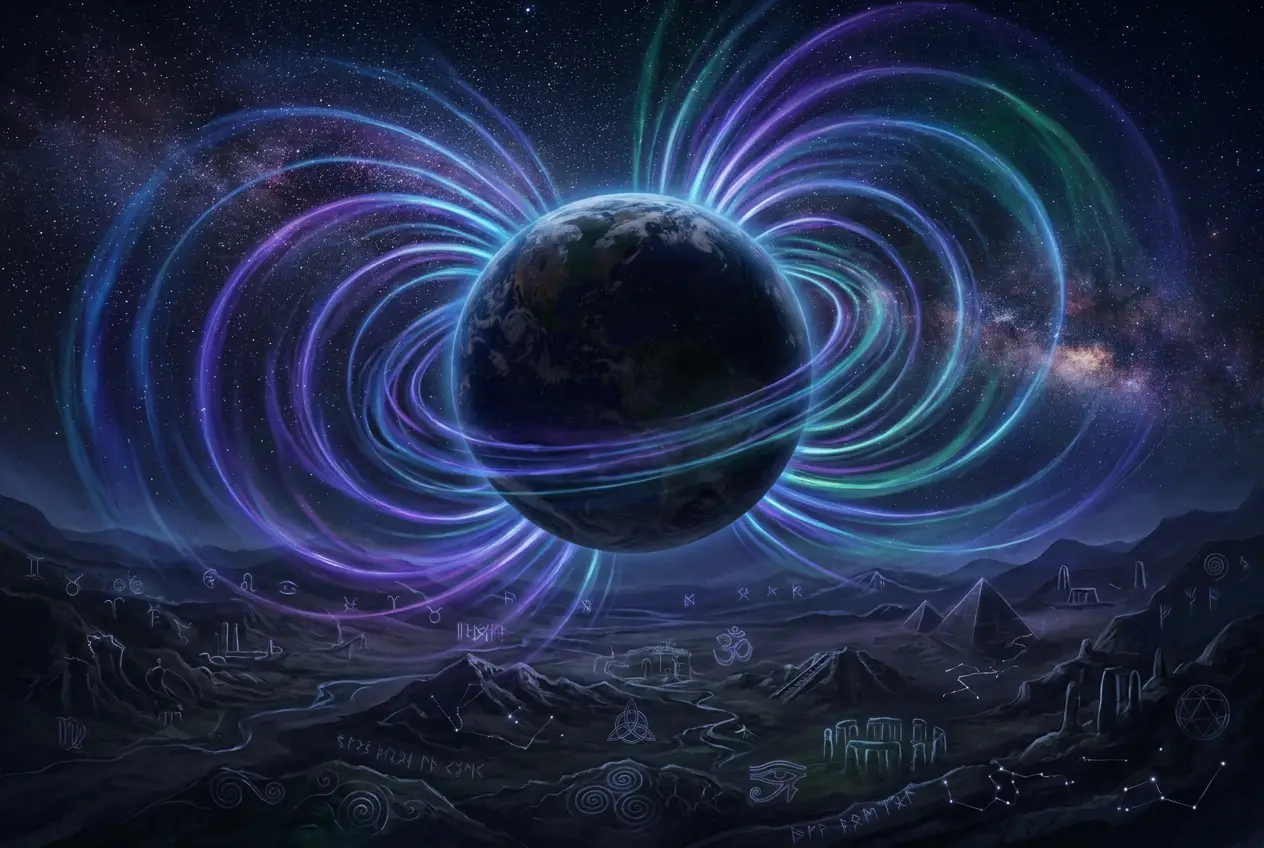
Earth's magnetic field create a unique "magnetic map" that could be sensed by sufficiently sensitive organisms.
### **Echoes in History: Unexplained Navigational Feats**
One of the most intriguing aspects of ancient navigation is the sheer precision of some voyages. The Vikings, for example, traversed the North Atlantic to Greenland and North America. While their use of the "sunstone" (a crystal that could detect polarized light) is well-documented—and we’ve explored it in a previous post,
"Sunstone: Did Vikings Unlock Polarized Light Navigation?" — it only worked on partly cloudy days. What about the foggy, overcast journeys? Could an intuitive sense of the magnetic field have filled in the gaps?
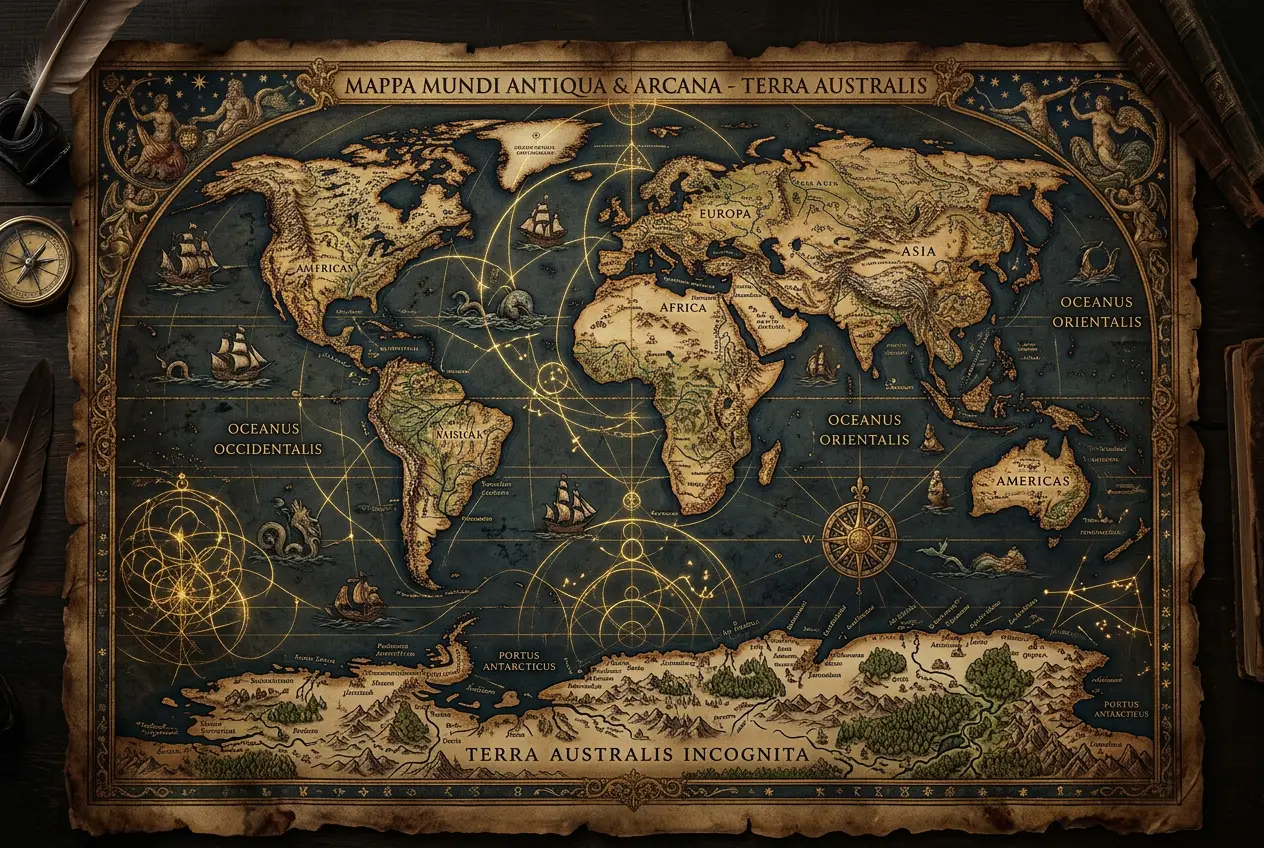
Similarly, ancient mapmakers sometimes produced charts with astonishing accuracy, predating technologies that should have made such precision possible. The
Piri Reis map, for instance, a 16th-century Ottoman map, includes parts of Antarctica's coastline *before* its official discovery, and depicts it ice-free. While many theories attempt to explain this anomaly, including the use of older, lost source maps, the question arises: what advanced techniques or natural sensitivities enabled such cartographic mastery in antiquity? Perhaps it wasn't just about drawing what was seen, but sensing what was there.
The ability for ancient mariners to "sense unseen cosmic cues" could extend beyond stars and into the very fabric of our planet's energetic output. This intriguing idea was touched upon in our blog post,
"Did Ancient Mariners Sense Unseen Cosmic Cues?", exploring how various subtle energies might have aided their journeys. If we consider the possibility of a biological sensitivity, the Earth’s magnetic field provides a consistent, albeit invisible, information stream.
### **Scientific Investigations into Human Magnetoreception**
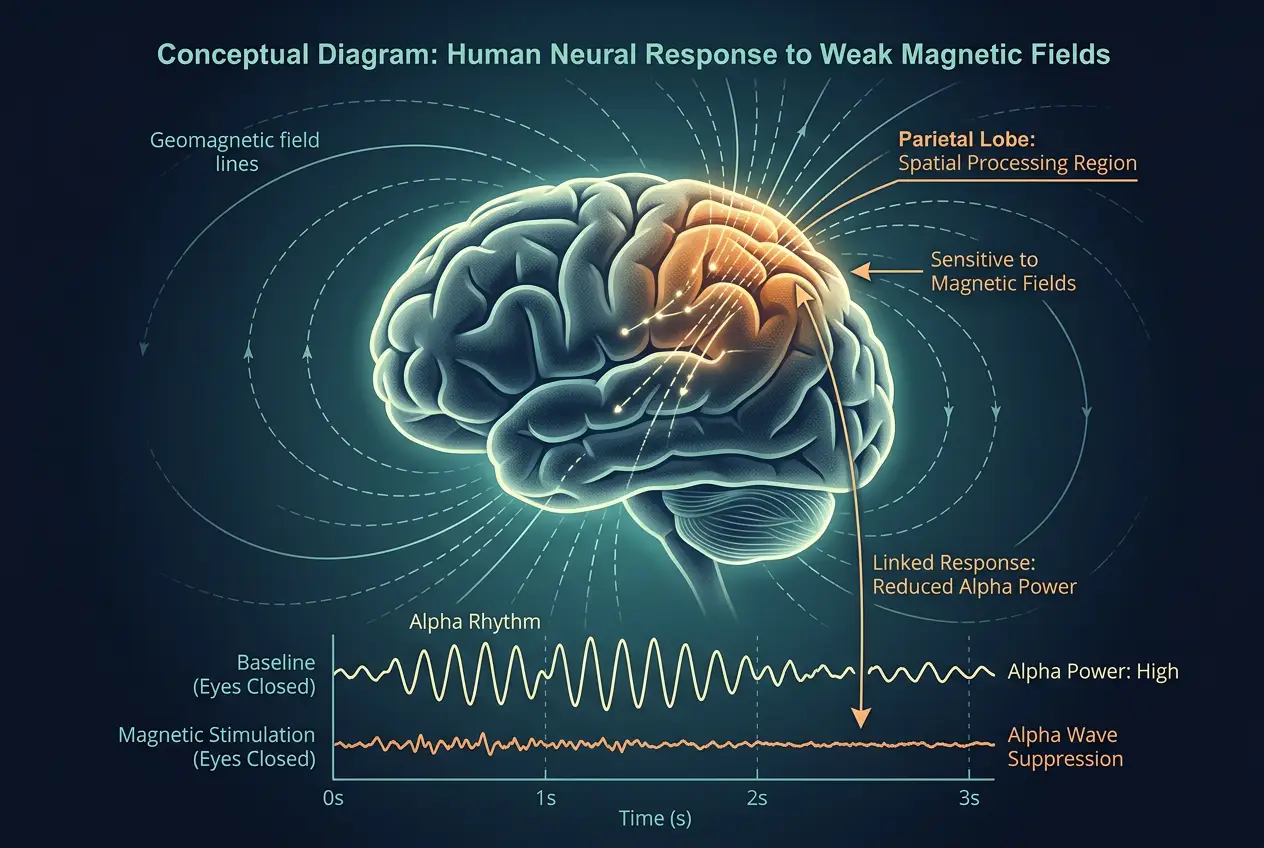
In recent decades, scientific interest in human magnetoreception has slowly gained traction. Studies have explored whether humans possess rudimentary magnetic senses, even if subconscious. Dr. Joe Kirschvink and his colleagues at Caltech conducted experiments in a specially shielded room, eliminating other environmental cues. They placed volunteers in the dark and rotated them, monitoring their brainwaves using electroencephalography (EEG).
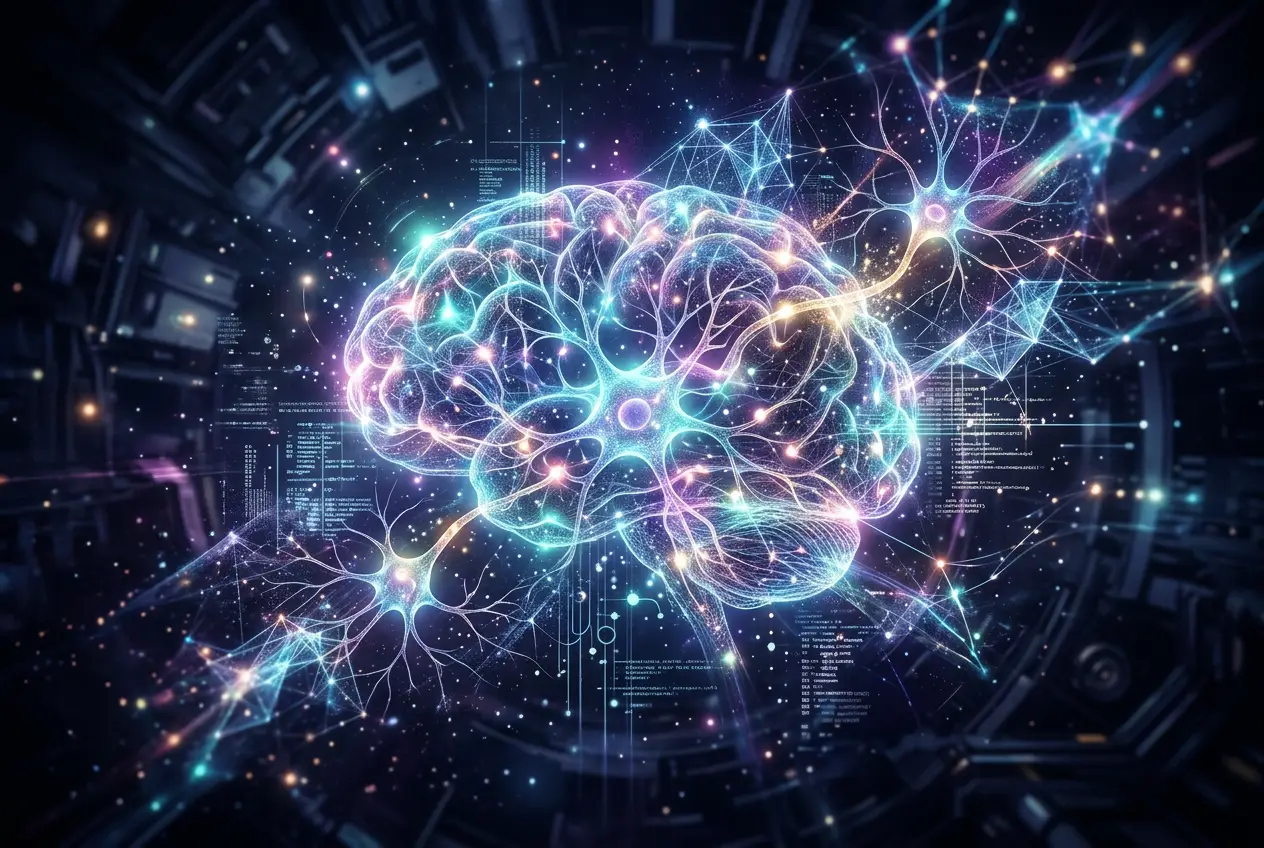
Their findings, published in *eNeuro*, were fascinating. They observed a significant decrease in alpha brainwaves when the magnetic field was rotated, suggesting that the human brain *does* respond to changes in the ambient magnetic field, even without conscious awareness. This response was directionally specific, meaning the brain reacted differently depending on the orientation of the magnetic field. This research provides the strongest evidence yet that humans possess a functional, if unconscious, magnetoreceptive system. While not a "GPS" in the modern sense, it suggests a profound, unacknowledged connection between our biology and the planet's magnetic environment.
Imagine ancient humans, especially those whose survival depended on precise navigation and an intimate understanding of their environment, unknowingly honing this subtle sense. Much like how some people develop an incredibly acute sense of smell or hearing, could certain individuals or cultures have refined their innate magnetoreceptive abilities? The notion that
ancient maps predicted continental drift also speaks to an understanding of global geological forces far beyond their supposed technological capabilities, hinting at alternative ways of "knowing" the Earth.
### **Challenges and Future Directions**
Of course, the idea of ancient human magnetoreception faces challenges. Proving conscious use in ancient times is incredibly difficult, as it requires interpreting historical accounts through a modern scientific lens. Furthermore, the sensitivity of the human magnetic sense, if it exists, is likely very weak compared to a bird's, easily masked by modern electromagnetic noise.
Yet, the implications are profound. If our ancestors possessed even a subconscious magnetic compass, it would reshape our understanding of their incredible journeys and architectural alignments. It could mean that a fundamental sensory ability has atrophied in modern humans, dulled by technology and separation from the natural world.
### **Conclusion**
The question, "Did ancient navigators sense Earth's magnetic map?", pushes us to reconsider the full spectrum of human capabilities and our deep, often forgotten, connection to the natural world. While we may never find a definitive "ancient GPS device" powered by geomagnetic fields, the growing scientific evidence for human magnetoreception, combined with the awe-inspiring feats of ancient explorers, paints a compelling picture. It suggests a time when humanity was more finely tuned to the subtle whispers of our planet, using an invisible compass that guided them across oceans and continents, unlocking secrets of navigation we are only now beginning to rediscover. Perhaps the true magic of ancient exploration wasn't just in their courage, but in a hidden sense that allowed them to literally feel their way through the world.
 Join Us


 Alex Rivers























Leave a Reply
Comments (0)