I remember a clear, crisp night when I was a child, gazing up at the velvet expanse of the sky, teeming with stars. Each pinprick of light represented a sun, a system, a potential home. But what about the spaces in between? The vast, cold, seemingly empty void? It's a question that has quietly occupied my thoughts, growing more intriguing as our understanding of the cosmos expands: **could life exist on worlds that don't orbit a star at all?**
For centuries, our search for extraterrestrial life has been inextricably linked to the concept of a "habitable zone"—that precious band around a star where temperatures are just right for liquid water to exist on a planet's surface. Yet, what if this definition is too narrow? What if the universe is far more imaginative than we give it credit for, nurturing life in the most unexpected, unbound places? I'm talking about **rogue planets**, also known as interstellar, free-floating, or orphan planets. These are celestial bodies, ranging from gas giants to rocky worlds, that have been ejected from their birth star systems, cast adrift into the cold, dark, endless expanse between stars.
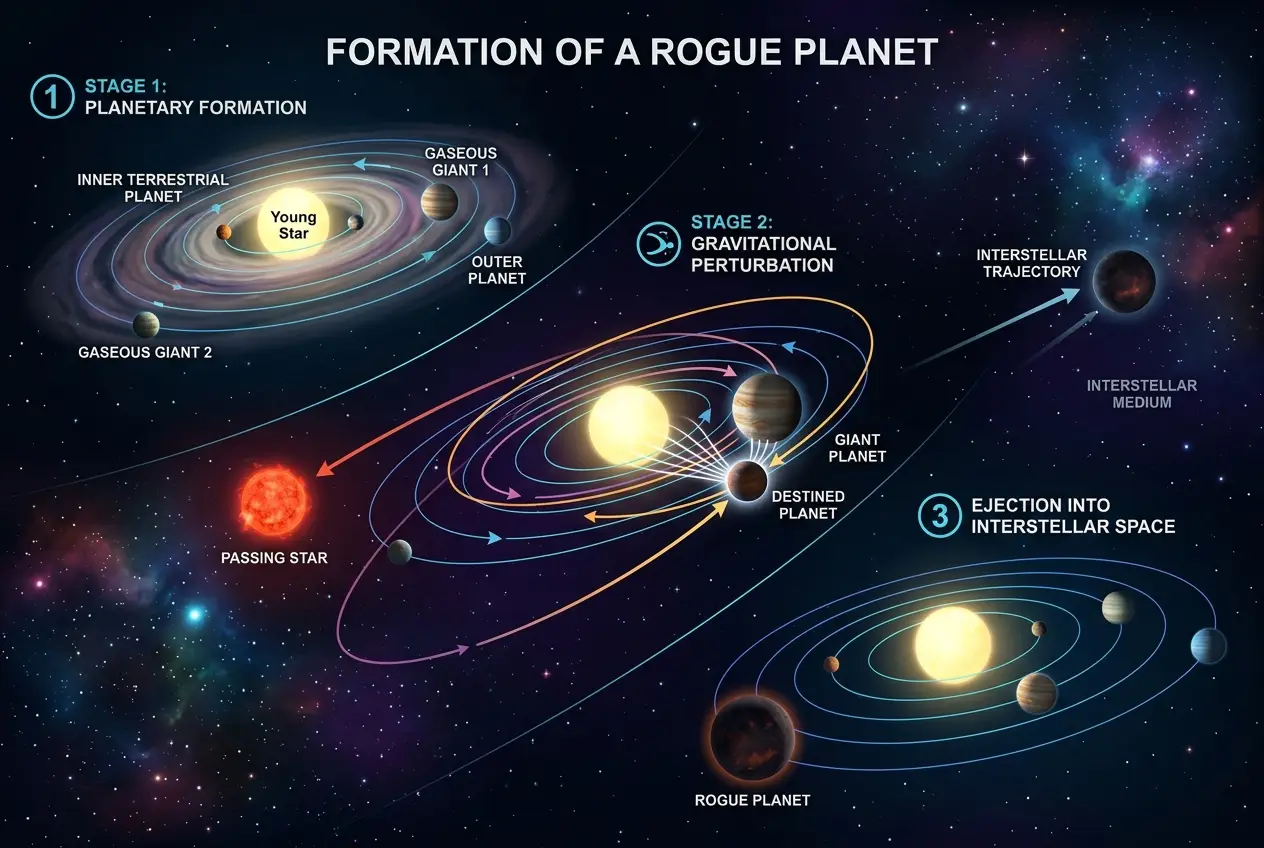
### The Cosmic Castaways: What Are Rogue Planets?
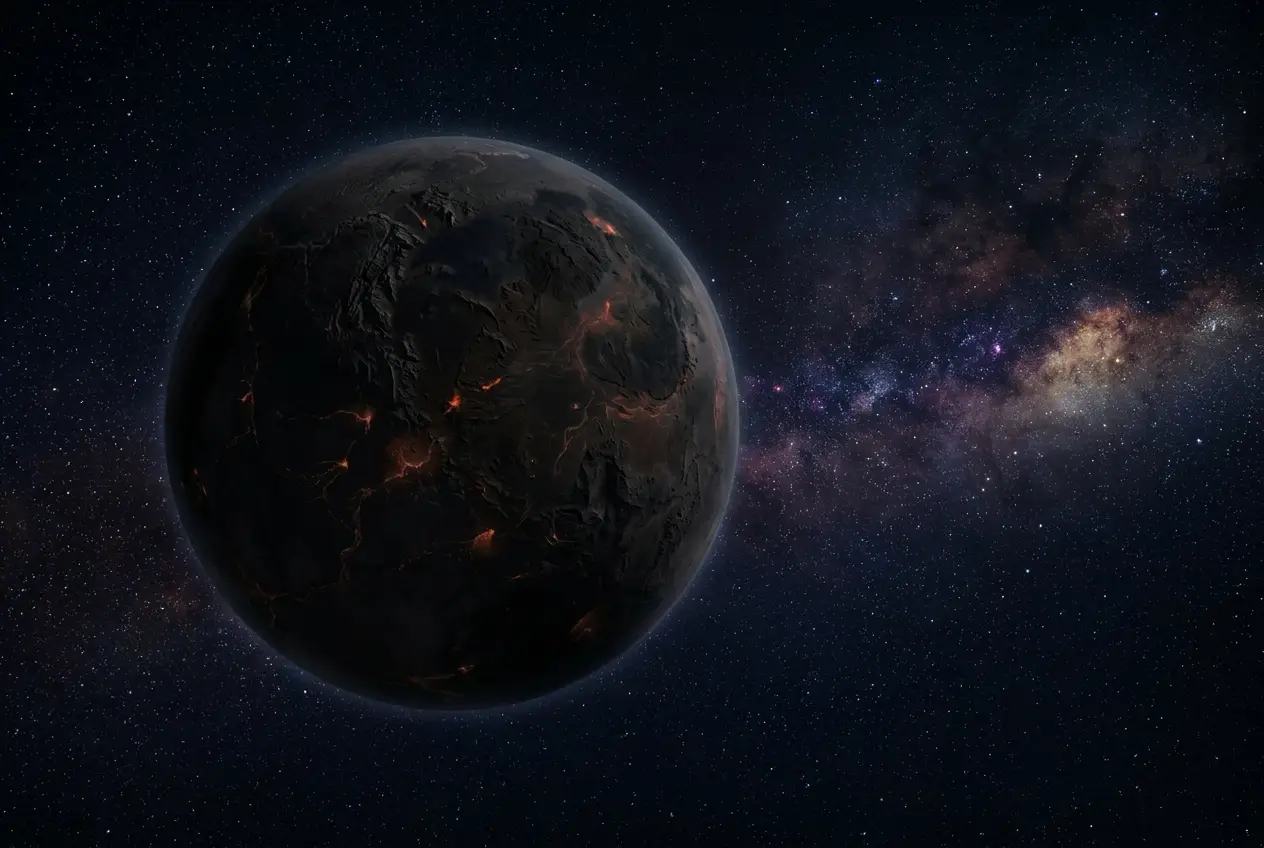
Imagine a slingshot. A planet forming in a chaotic young star system might get too close to a massive gas giant or another passing star, receiving a gravitational kick so powerful it's launched out of its home system entirely. This is how many rogue planets are believed to form. They are the cosmic castaways, eternally wandering the galactic void, bathed only in the faint light of distant galaxies and the residual heat of their own formation.
The existence of rogue planets isn't theoretical; we've found evidence of them. Techniques like **gravitational microlensing**—where a massive object bends the light of a background star, momentarily brightening it—have allowed astronomers to detect these elusive wanderers. The Kepler space telescope, for instance, has hinted at their prevalence. Some estimates suggest that there could be trillions of rogue planets in our Milky Way galaxy alone, potentially outnumbering stars. This sheer abundance immediately makes them prime candidates for re-evaluating our notions of habitability. For a deeper dive into the discovery methods, you might find this Wikipedia article on [free-floating planets](https://en.wikipedia.org/wiki/Free-floating_planet) fascinating.
### The Unlikely Oasis: How Could Life Survive?
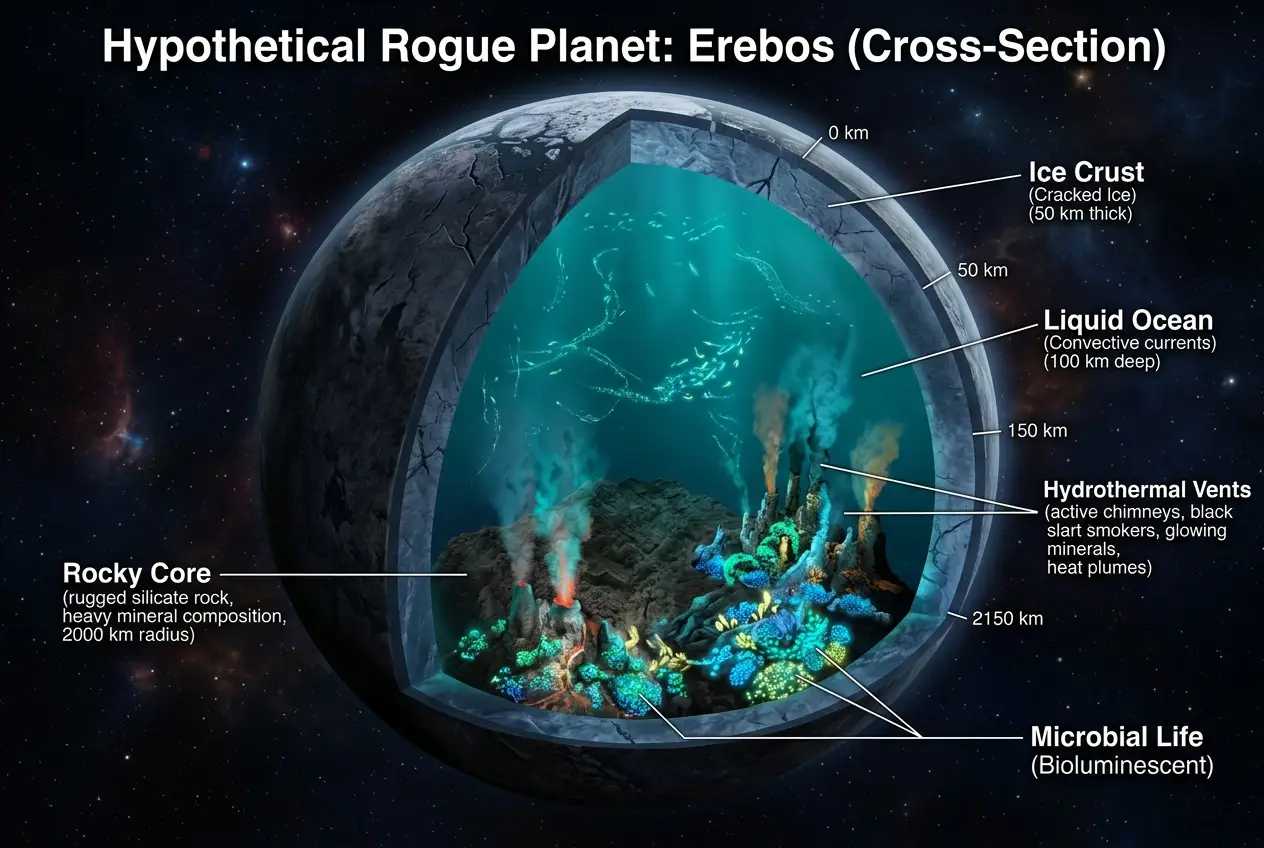
The immediate challenge for life on a rogue planet is obvious: **no sun**. Without a star to provide warmth, the surface of such a world would be unimaginably cold, far below freezing temperatures, with no photosynthesis to fuel an ecosystem. This sounds like an immediate death knell for life, doesn't it? But here’s where the narrative shifts, where our understanding of biology and geology forces us to consider a surprising possibility: **subsurface oceans of liquid water**.
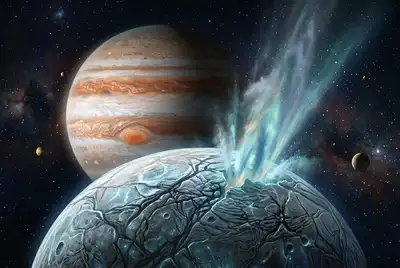
Just like some of the icy moons in our own solar system—like Jupiter's Europa or Saturn's Enceladus, which I've explored the possibility of life on in a previous post, [Is Europa's Ocean Hiding Alien Life? Decoding Icy Moons](/blogs/is-europas-ocean-hiding-alien-life-decoding-icy-moons-2055)—a rogue planet could retain significant internal heat long after its formation. This heat could come from several sources:
1. **Radioactive Decay:** The natural breakdown of radioactive elements in the planet's core and mantle (like uranium, thorium, and potassium) releases substantial amounts of heat. Earth's own internal heat is largely sustained by this process.
2. **Residual Heat from Formation:** Planets are born hot, a legacy of the immense gravitational forces and collisions that form them. Larger rogue planets, particularly those with a thick insulating ice shell, could retain this primordial heat for billions of years.
3. **Tidal Heating (If Moons Exist):** While less likely for truly isolated rogue planets, if a rogue world managed to retain one or more substantial moons, the gravitational tug-of-war between them could generate significant internal friction and heat, much like how Io is volcanically active due to Jupiter's pull.
4. **Thick Hydrogen Atmospheres:** Some scientists propose that large rogue planets could possess extremely thick hydrogen atmospheres. Hydrogen is a potent greenhouse gas, and a sufficiently dense envelope could trap enough internal heat to maintain liquid water even on the surface, though this scenario is less commonly discussed for sustained habitability.
This internal heating could melt ice deep beneath the surface, creating vast, dark oceans. On Earth, we have found life thriving in similar conditions: **extremophiles** that cluster around hydrothermal vents at the bottom of our oceans. These creatures don't rely on sunlight for energy; instead, they use **chemosynthesis**, converting chemical compounds from volcanic vents into energy. This process, sustained by the planet's geological activity, offers a compelling template for life on a rogue world. You can learn more about the incredible world of [extremophiles on Wikipedia](https://en.wikipedia.org/wiki/Extremophile).
### The Resilience of Life: Expanding the Habitable Zone
The implications of rogue planets harboring life are profound. If these lost worlds can sustain ecosystems, it dramatically expands the potential real estate for life in the universe. No longer would habitable environments be confined to the narrow orbits around stars. Instead, life could be thriving in the vast interstellar medium itself, independent of stellar radiance.
This vision challenges our anthropocentric view of life, which often assumes sunlight as a fundamental prerequisite. It reminds me of discussions around other unseen forces in the cosmos, much like the pursuit of understanding [dark photons hiding an invisible universe](/blogs/do-dark-photons-hide-an-invisible-universe-6116). The universe, it seems, is full of hidden potentials.
The sheer numbers also play a role. If there are truly trillions of these planets, even if only a tiny fraction harbor subsurface oceans and the right chemical ingredients, the total number of life-bearing worlds could be astronomical.
### Challenges and the Search for Evidence
Of course, detecting life on such a world would be an immense challenge. They are incredibly difficult to find in the first place, being dark and isolated. Current methods like microlensing only reveal their mass and presence, not their composition or whether they possess an ocean. Direct imaging is even harder, akin to finding a single pebble in a vast, unlit ocean.
Future telescopes and observation techniques might offer a glimpse. For instance, analyzing the faint thermal emissions from a rogue planet's atmosphere could reveal chemical biomarkers—gases like oxygen, methane, or ozone that could be indicative of biological processes. However, distinguishing these from geological or atmospheric processes would be incredibly complex.
Another fascinating aspect is the very nature of these interstellar wanderers. Some, like the famous `Oumuamua, a visitor from another star system, raise questions about whether interstellar objects could also be more than just rocks, hinting at advanced technology, as explored in [Is Oumuamua Alien Tech? Deciphering Interstellar Visitors](/blogs/is-oumuamua-alien-tech-deciphering-interstellar-visitors-5571). While `Oumuamua was likely a comet or asteroid, the idea of technology or life crossing interstellar space is an exciting thought.
The potential hazards of interstellar travel, such as encounters with rogue black holes, which we've discussed in [Do Rogue Black Holes Threaten Our Galaxy?](/blogs/do-rogue-black-holes-threaten-our-galaxy-6767), underscore the perilous journey these rogue planets endure. Yet, despite the dangers, they persist, offering new hope for life beyond the familiar.
### A New Cosmic Frontier
The idea that rogue planets could harbor hidden oceans of alien life is not just a scientific hypothesis; it's a profound shift in perspective. It tells us that life, once ignited, is incredibly resilient and adaptable, capable of thriving in conditions we once deemed impossible. It encourages us to look beyond the immediate glare of stars and peer into the depths of interstellar space, where silent, wandering worlds might be nurturing vibrant, albeit dark, ecosystems.
These cosmic wanderers, these planets that have severed ties with their stellar parents, compel us to reconsider everything we thought we knew about where and how life can emerge. Their very existence, and the tantalizing possibility of life beneath their icy shells, paints a picture of a universe far richer, stranger, and more alive than we ever dared to imagine. As we continue to refine our methods for detecting and characterizing these intriguing bodies, I believe the secrets they hold could redefine our place in the cosmos and ignite a new era of astrobiological exploration. For further reading on the potential habitability of these worlds, the [Habitability of Rogue Planets](https://en.wikipedia.org/wiki/Habitability_of_rogue_planets) on Wikipedia is a great resource.
Frequently Asked Questions
A rogue planet, also known as an interstellar or free-floating planet, is a celestial body that does not orbit a star and instead wanders through interstellar space. They are often ejected from their star systems during formation or through gravitational interactions.
Liquid water on a rogue planet would likely exist in subsurface oceans, heated by internal processes such as radioactive decay of elements in its core, residual heat from its formation, or potentially tidal heating if it has large moons. A thick insulating ice shell would help retain this heat.
Life on a rogue planet would probably be extremophilic, similar to the organisms found around hydrothermal vents in Earth’s deep oceans. These creatures rely on chemosynthesis, converting chemical compounds from geological activity into energy, rather than photosynthesis from sunlight.
Rogue planets are mainly detected through gravitational microlensing. This technique observes the temporary brightening of a background star when a massive foreground object (like a rogue planet) passes in front of it, bending its light due to gravity.
It would vastly expand the definition of a habitable zone and increase the potential number of life-bearing worlds in the universe. It suggests that life doesn't necessarily require stellar light and can thrive in diverse, unexpected environments beyond traditional star systems.
Verified Expert
Alex Rivers
A professional researcher since age twelve, I delve into mysteries and ignite curiosity by presenting an array of compelling possibilities. I will heighten your curiosity, but by the end, you will possess profound knowledge.
Leave a Reply
Comments (0)
No approved comments yet. Be the first to share your thoughts!
 Join Us
 Unknown Author























Leave a Reply
Comments (0)