I’ve often found myself staring into space, lost in thought, wondering about the sheer complexity of our minds. It’s a remarkable experience, isn’t it? The way thoughts emerge, feelings blossom, and consciousness itself seems to reside within the intricate folds of our brain. For centuries, science has grappled with the mechanisms behind this astounding organ. We understand neurons firing, electrochemical signals zipping across synapses, and complex networks forming. Yet, there’s a persistent, almost mystical gap when it comes to truly explaining consciousness itself. It's this very gap that leads to one of the most intriguing and provocative questions in modern science: **Can our brains generate quantum fields?**
It sounds like something straight out of a science fiction novel, I know. But the idea that our gray matter might be interacting with, or even *generating*, quantum fields isn't just idle speculation. It's a hypothesis being seriously considered by a fringe, yet growing, segment of physicists and neuroscientists, pushing the boundaries of what we understand about both the cosmos and our inner world.
### The Classical Brain: A Marvel of Computation
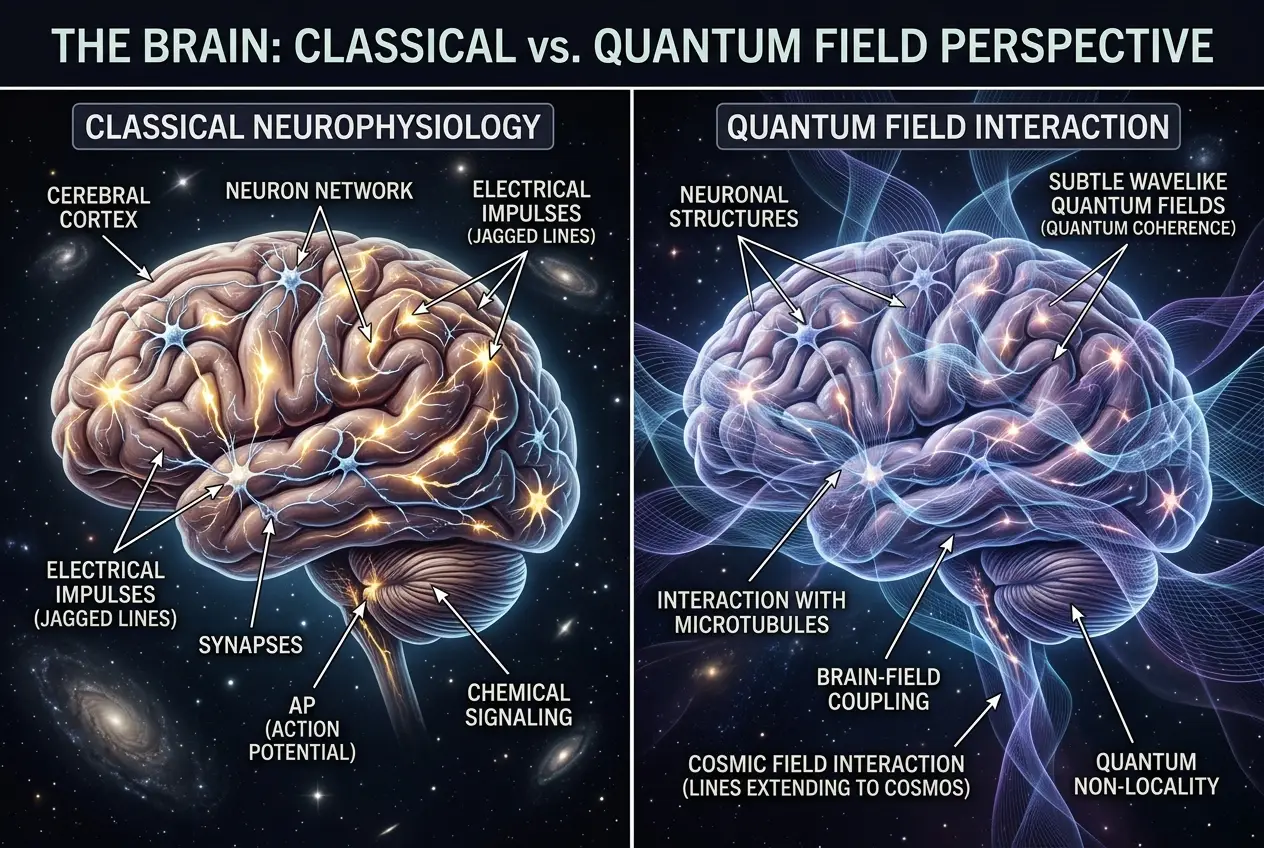
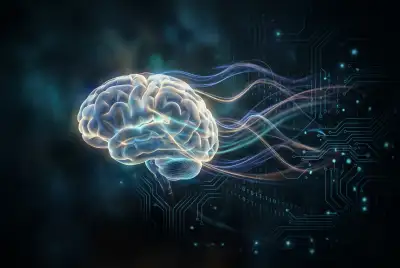
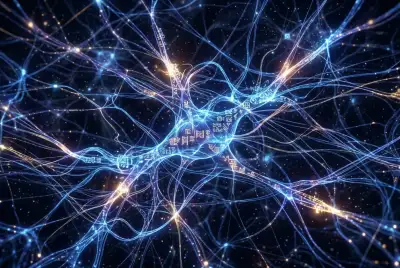
To appreciate the radical nature of the quantum brain hypothesis, I think it’s crucial to first ground ourselves in the established view. The human brain is, without a doubt, the most complex known object in the universe. Billions of neurons, each connected to thousands of others, form a sprawling, dynamic network. When you think, feel, or perceive, it's generally understood to be the result of electrical impulses (action potentials) and chemical neurotransmitters propagating through these neural pathways. This classical, macroscopic view of the brain explains a vast amount of its functionality, from motor control to memory formation. You can learn more about how these neural networks function on [Wikipedia's page on Neural Networks](https://en.wikipedia.org/wiki/Neural_network).
This model, however, sometimes struggles with phenomena like the "binding problem" – how disparate sensory inputs coalesce into a unified conscious experience – or the very subjective nature of qualia (the feeling of "redness," for instance). These are areas where classical physics, operating at our everyday scale, might hit its limits.
### Entering the Quantum Realm: Where Reality Gets Weird
Quantum mechanics is the foundational theory describing nature at the smallest scales: atoms, electrons, photons, and their subatomic brethren. And let me tell you, it's a profoundly strange place. Unlike the predictable world we inhabit, the quantum realm operates on principles that defy common sense. Particles can exist in multiple states simultaneously (superposition), become instantaneously linked regardless of distance (entanglement), and their behavior is often described by probabilities rather than certainties. The act of observation itself can influence the outcome of an experiment – a concept famously illustrated by Schrödinger's Cat.
Traditionally, quantum effects were thought to be confined to these microscopic scales, quickly "decohering" or collapsing into classical states at larger, warmer, and wetter scales – like, say, the inside of a living brain. The brain is hot, noisy, and highly interactive, conditions seemingly antithetical to maintaining delicate quantum coherence. Yet, some theories dare to suggest otherwise.
### The Quantum Brain Hypothesis: A Radical Leap
The core of the quantum brain hypothesis is that consciousness, or at least some fundamental aspects of it, isn't *just* an emergent property of classical neuronal computation. Instead, it might involve genuine quantum processes occurring within the brain's microarchitecture. One of the most well-known (and controversial) proponents of this idea is physicist Roger Penrose and anesthesiologist Stuart Hameroff, with their **Orchestrated Objective Reduction (Orch-OR)** theory.
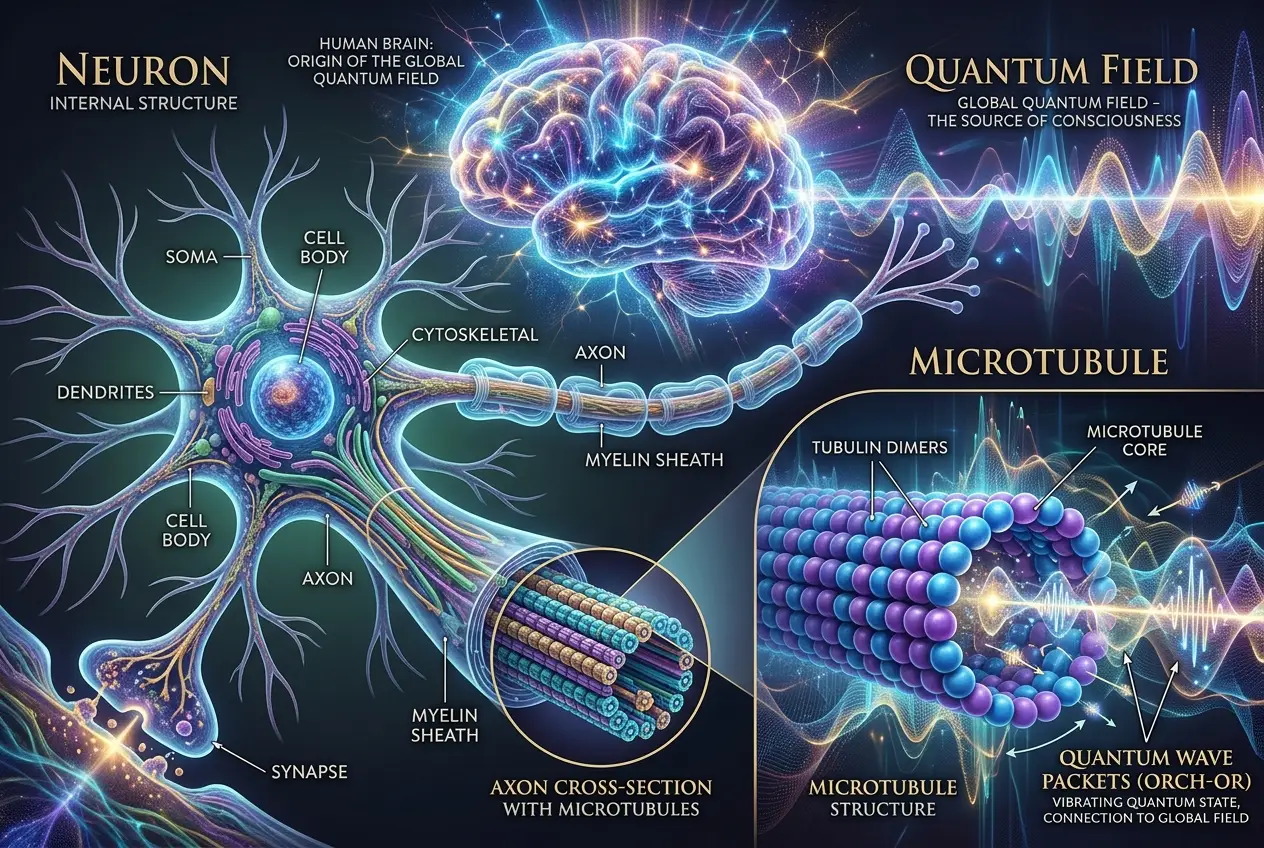
The Orch-OR theory proposes that consciousness arises from quantum computations occurring in structures called **microtubules** within neurons. Microtubules are protein polymers that form part of the cell's cytoskeleton, involved in transport and structural support. Penrose and Hameroff suggest these microtubules can maintain quantum coherence for long enough to perform "quantum processing," which then undergoes "objective reduction" (Penrose's mechanism for collapsing quantum states) that correlates with moments of conscious experience. I recall reading about this theory years ago, and thinking how audacious it was to link the deepest mysteries of physics with the inner workings of the mind.
While highly speculative, the allure of such theories lies in their potential to explain aspects of consciousness that classical models struggle with, such as:
* **The feeling of free will:** Could quantum randomness play a role?
* **Non-local awareness or intuition:** Is there a quantum entanglement between brains, or between a brain and the universe? (Though this is far more speculative and less grounded in current Orch-OR theory).
If you’re interested in diving deeper into how quantum phenomena *could* play a role in biological systems, I’ve explored similar concepts in a previous post: [Could Quantum Biology Unlock Life's Deepest Secrets?](/blogs/could-quantum-biology-unlock-lifes-deepest-secrets-6147).
### What are Quantum Fields, Anyway?
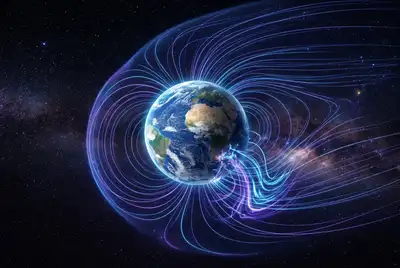
Before we go further, let me clarify what "quantum fields" mean in this context. In modern physics, especially Quantum Field Theory (QFT), particles aren't fundamental "little balls" but rather **excitations** of underlying quantum fields that permeate all of space. For example, an electron isn't just a particle; it's a localized excitation in the electron field. Similarly, photons are excitations in the electromagnetic field.
So, when we ask if brains can "generate quantum fields," we're asking if the brain's activity somehow creates or modulates these fundamental fields in a way that contributes to or *is* consciousness. This isn't about the brain producing an electromagnetic field (which it definitely does, measurable by EEGs), but about it interacting with the more fundamental quantum fields that give rise to particles themselves.
### Bridging the Divide: Brain Activity and Quantum Fields
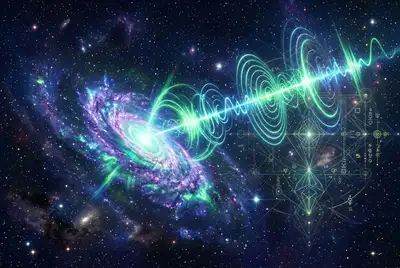
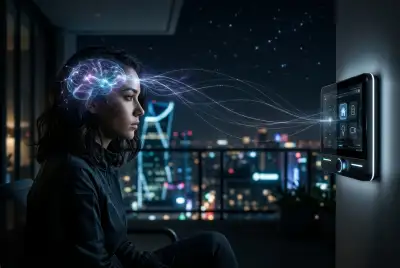
How might such a connection manifest? One perspective is that if quantum processes are indeed at play in consciousness, the emergent properties of these processes could manifest as subtle, yet influential, quantum fields. Imagine the brain as a complex antenna, not just receiving and transmitting classical signals, but also resonating with or even generating localized fluctuations in quantum fields.
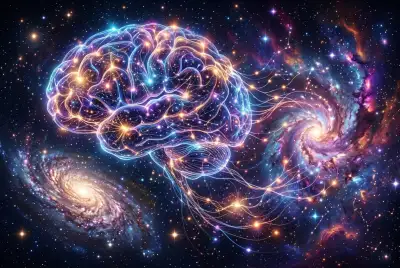
Some researchers, for instance, propose that the coherent oscillations observed in brain activity (like gamma waves) might be macroscopic manifestations of underlying quantum coherence. They suggest that the collective behavior of quantum states within the brain could influence, or be influenced by, the zero-point energy field – the omnipresent background energy of empty space, predicted by quantum mechanics. This is a fascinating rabbit hole, exploring the very fabric of reality at its most fundamental level.
"The idea that quantum mechanics might play a role in consciousness remains highly controversial, but it opens doors to understanding the brain in entirely new ways, moving beyond purely classical computational models." — Dr. Jack Tuszynski, Professor of Physics and Oncology, University of Alberta (paraphrased from various talks and papers on Orch-OR).
### The Hurdles and the Hunt for Evidence
The biggest challenge for the quantum brain hypothesis is **decoherence**. As mentioned, quantum states are incredibly fragile. Any interaction with their environment (like the warm, wet, noisy brain) typically causes them to "decohere" almost instantly, losing their quantum properties and collapsing into classical states. For quantum effects to play a significant role in consciousness, mechanisms would need to exist that protect these states, allowing them to remain coherent for much longer than usually expected.
Some proposed mechanisms include:
* **Topological protection:** Structures like microtubules might inherently provide a degree of insulation.
* **Biologically optimized environments:** Perhaps cells have evolved specific conditions to foster quantum coherence, similar to the way plants use quantum mechanics in photosynthesis (a verified phenomenon).
* **Specific frequencies:** Certain brainwave frequencies might align with resonant frequencies of quantum fields.
While direct experimental evidence of quantum field generation by the brain remains elusive, indirect evidence and theoretical explorations continue. For instance, the phenomenon of quantum entanglement and its potential connection to the mind has been explored. Check out my previous article: [Can Quantum Entanglement Connect Minds?](/blogs/can-quantum-entanglement-connect-minds-9125) which touches upon these ideas.
Researchers are actively looking for subtle quantum signatures in biological systems, using highly sensitive measurement techniques. However, differentiating between quantum effects and purely classical electromagnetic phenomena in the brain is incredibly difficult. We might need entirely new paradigms for observation to truly answer this question.
### Implications: Reshaping Our View of Consciousness
If our brains *do* generate or significantly interact with quantum fields, the implications would be nothing short of revolutionary. It could:
1. **Redefine Consciousness:** Move it beyond a purely emergent property of classical computation, suggesting a deeper, more fundamental connection to the fabric of reality.
2. **Impact AI Development:** If true consciousness requires quantum elements, it would present a massive hurdle for classical AI to achieve genuine sentience.
3. **Bridge Mind-Body Dualism:** Offer a physical (though quantum) mechanism for the interaction between mental experience and the physical brain, potentially resolving one of philosophy's oldest problems. You can read more about the mind-body problem on [Wikipedia's article](https://en.wikipedia.org/wiki/Mind%E2%80%93body_problem).
4. **Connect to the Universe:** The idea of brains tapping into or influencing universal quantum fields hints at a profound interconnectedness, moving beyond the isolated "brain in a jar" model of consciousness.
I believe this exploration takes us to the very edge of what is known, urging us to question our assumptions and embrace the unknown.
### The Road Ahead
The journey to understand if our brains are quantum field generators is long and filled with scientific challenges. It requires interdisciplinary collaboration between quantum physicists, neuroscientists, biologists, and philosophers. New experimental techniques, perhaps involving ultra-sensitive magnetic resonance imaging or even quantum sensors, might eventually provide the definitive answers.
For now, the hypothesis remains an intriguing frontier, reminding us that the most extraordinary mysteries might not be found in distant galaxies, but within the very essence of our own minds. Could our conscious thoughts ripple through the quantum fabric of the universe? It's a question I find myself pondering frequently, and one that promises to keep pushing the boundaries of human curiosity for generations to come.
Frequently Asked Questions
The quantum brain hypothesis proposes that consciousness or certain aspects of brain function are not solely explained by classical neuronal activity but involve genuine quantum mechanical processes within the brain's microstructures, potentially interacting with fundamental quantum fields.
Decoherence is the process by which delicate quantum states lose their quantum properties and revert to classical states due to interaction with their environment. The warm, wet, and noisy environment of the brain is thought to cause rapid decoherence, making it difficult for quantum effects to persist long enough to influence consciousness at a macroscopic level.
Microtubules are protein structures within neurons that form part of the cell's cytoskeleton. In the Orch-OR theory by Penrose and Hameroff, microtubules are hypothesized to be the sites where quantum computations occur and maintain coherence, leading to conscious experience.
Direct experimental evidence for quantum mechanical effects playing a role in consciousness in the brain is currently lacking. However, there is ongoing research into quantum effects in biological systems (quantum biology), and theoretical frameworks continue to be developed. Indirect evidence is highly debated and subject to interpretation.
If genuine consciousness requires quantum mechanical processes, then current classical AI architectures would theoretically be unable to achieve true sentience or consciousness. It would imply that a radically different, potentially quantum-computing-based, approach might be necessary for creating truly conscious AI.
The brain definitely produces classical electromagnetic fields, which are measurable via techniques like EEG. The quantum brain hypothesis goes further, suggesting interaction with or generation of *fundamental quantum fields* – the underlying fields from which particles like electrons and photons arise – rather than just macroscopic electromagnetic phenomena.
Verified Expert
Alex Rivers
A professional researcher since age twelve, I delve into mysteries and ignite curiosity by presenting an array of compelling possibilities. I will heighten your curiosity, but by the end, you will possess profound knowledge.
Leave a Reply
Comments (0)
No approved comments yet. Be the first to share your thoughts!
 Join Us


 Unknown Author


















Leave a Reply
Comments (0)