If you've ever flicked a light switch, charged your smartphone wirelessly, or listened to a radio, you've benefited from the ghost of a genius who walked among us over a century ago. I’m talking about Nikola Tesla, a name synonymous with innovation, controversy, and an almost mythic vision of the future. His life story is a whirlwind of incandescent brilliance, bitter rivalries, and heartbreaking solitude, a narrative so rich and expansive it demands a deep dive into the mind of the man who truly ignited our modern world. This exploration will be a long journey, but I promise, the insights into Tesla’s world and his enduring legacy are well worth it.
I often find myself wondering about the sheer foresight of individuals like Tesla. How could one man conceive of technologies that would take decades, even a century, to fully manifest? He was an engineer, an inventor, and a futurist whose contributions are so fundamental that they often blend into the background of our technological landscape, yet without them, our world would be profoundly different.
## The Spark of a Genius: Early Life and Education
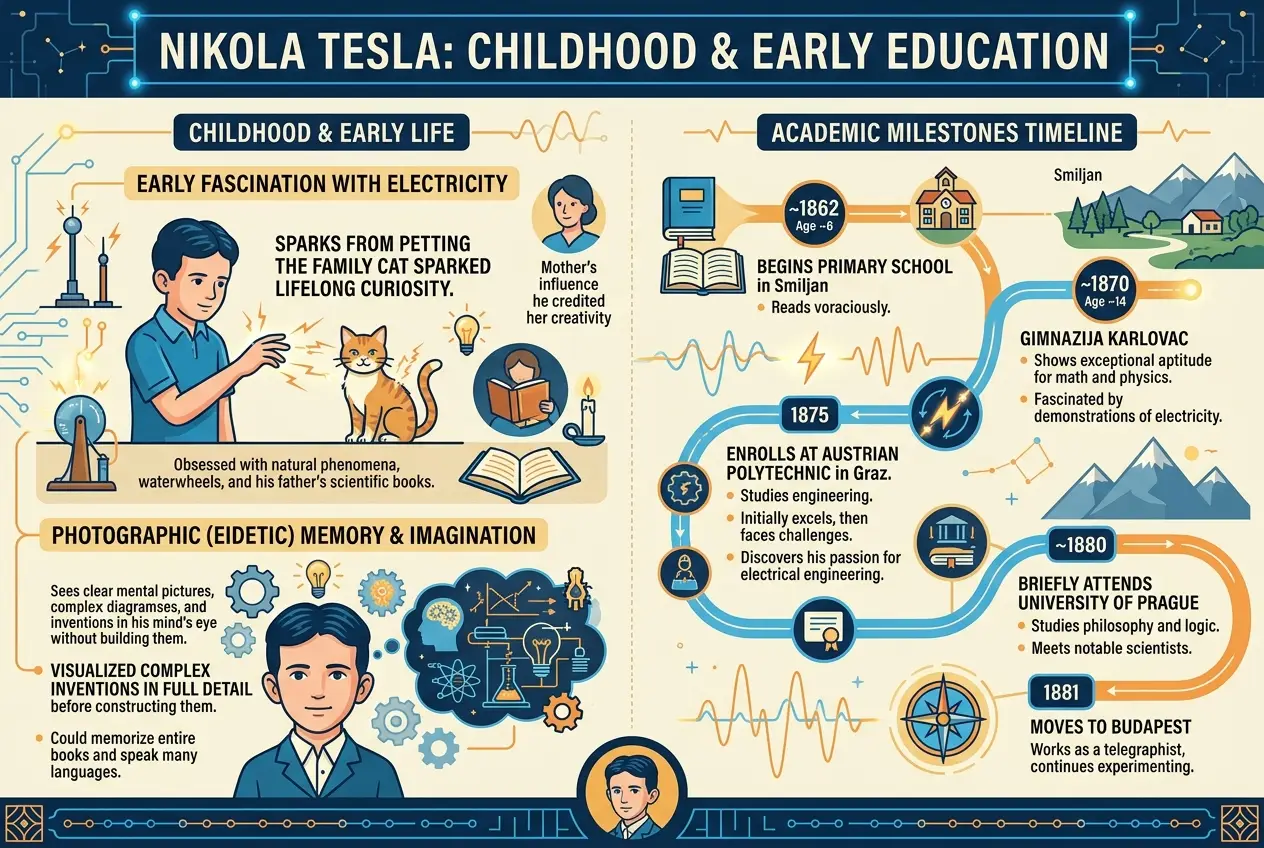
Nikola Tesla was born on July 10, 1856, in Smiljan, a village then part of the Austrian Empire (modern-day Croatia). His early life was steeped in a fascinating blend of natural phenomena and intellectual curiosity. His father was an Orthodox priest, and his mother, Djuka Mandić, though illiterate, was an incredibly intelligent woman with a photographic memory and a knack for inventing household tools. Tesla often credited his mother's inventive spirit for his own drive and talent.
From a young age, Tesla exhibited an extraordinary mind. He possessed a **photographic memory** and a vivid imagination, capable of visualizing complex machines in three dimensions, assembling and testing them entirely in his mind before ever putting pen to paper or working with physical materials. This ability wasn't just useful; it was foundational to his inventive process, allowing him to perfect designs before incurring any physical costs or setbacks.
His formal education began with a strong foundation in mathematics, physics, and mechanics. He studied at the Realschule in Karlovac, then at the Polytechnic Institute in Graz, Austria, and later at the University of Prague. It was during his time in Graz that he first encountered the direct current (DC) dynamo and motor. He noticed the inherent inefficiencies of DC motors, particularly the sparking and maintenance issues of their commutators, and it sparked a revolutionary idea: the concept of **alternating current (AC)**.
## The War of Currents: AC vs. DC
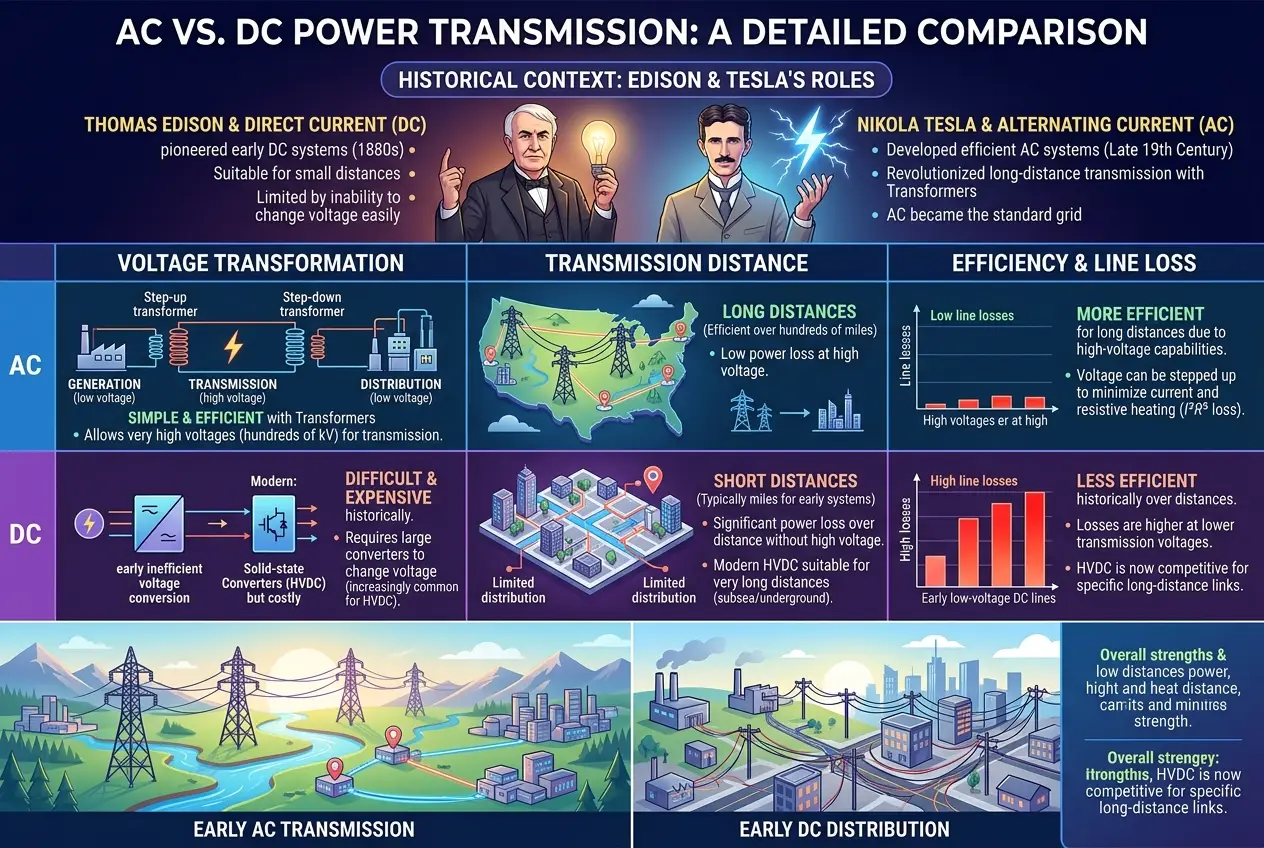
The late 19th century was a pivotal time for electricity. Thomas Edison had championed direct current (DC) as the standard for power distribution. DC flowed in one direction, was relatively easy to understand, and worked well for local lighting. However, it had significant drawbacks: it couldn't be easily transformed to different voltages, meaning power plants had to be located very close to consumers, necessitating numerous power stations and thick, expensive copper cables. Transmission losses over long distances were also substantial.
Tesla, having perfected his **alternating current (AC) motor** and generator designs, knew there was a better way. AC reverses direction periodically, which sounds complex, but it offers a massive advantage: it can be stepped up or down in voltage using transformers. This meant power could be generated at a central plant, stepped up to high voltages for efficient long-distance transmission, and then stepped down at the point of use.
I can only imagine the intellectual clash when Tesla, a young, brilliant immigrant, tried to convince the established titans of industry, particularly Thomas Edison, about the superiority of his AC system. Tesla briefly worked for Edison in New York, where he claims Edison offered him $50,000 (a monumental sum at the time) to improve his DC motors. After working tirelessly and reportedly achieving significant improvements, Tesla was denied the payment, told it was a joke, and eventually left Edison's employ. This experience was a bitter taste of the industrial politics he would face.
### The Rise of Westinghouse
Undeterred, Tesla found an ally in **George Westinghouse**, a shrewd businessman and inventor who saw the immense potential of AC. Westinghouse bought Tesla's AC motor patents and hired him to develop the system further. This alliance ignited the infamous "War of Currents."
Edison, protecting his vested interest in DC, launched a fierce propaganda campaign against AC, attempting to portray it as dangerous. He funded public demonstrations where animals were electrocuted with AC, and even secretly helped develop the electric chair, using AC current to sensationalize its perceived lethality. It was a dark chapter in scientific and technological history, driven more by commercial rivalry than by objective scientific assessment.
Yet, the advantages of AC were undeniable. Its efficiency for long-distance power transmission ultimately won out. The decisive victory came with the **World's Columbian Exposition in Chicago in 1893**, where Westinghouse, using Tesla's AC system, illuminated the entire fair. It was a dazzling spectacle, a city of lights powered by Tesla’s vision, and a stark contrast to Edison's more limited DC capabilities. Two years later, Westinghouse and Tesla harnessed the power of Niagara Falls, creating the world’s first large-scale hydroelectric power plant, providing electricity to Buffalo, New York, over 20 miles away. This marked the definitive triumph of AC and laid the groundwork for the global power grids we rely on today. For a deeper look into the history of electricity and its early applications, you might find our article on [ancient lamps and lost tech](https://www.curiositydiaries.com/blogs/ancient-lamps-did-lost-tech-create-eternal-light-7704) interesting.
## Beyond AC: A Visionary's Lab and the Birth of Modern Tech
Tesla's contributions extended far beyond perfecting the AC system. His mind was a perpetual motion machine of invention, churning out ideas that were often decades ahead of their time.
### The Tesla Coil and Radio
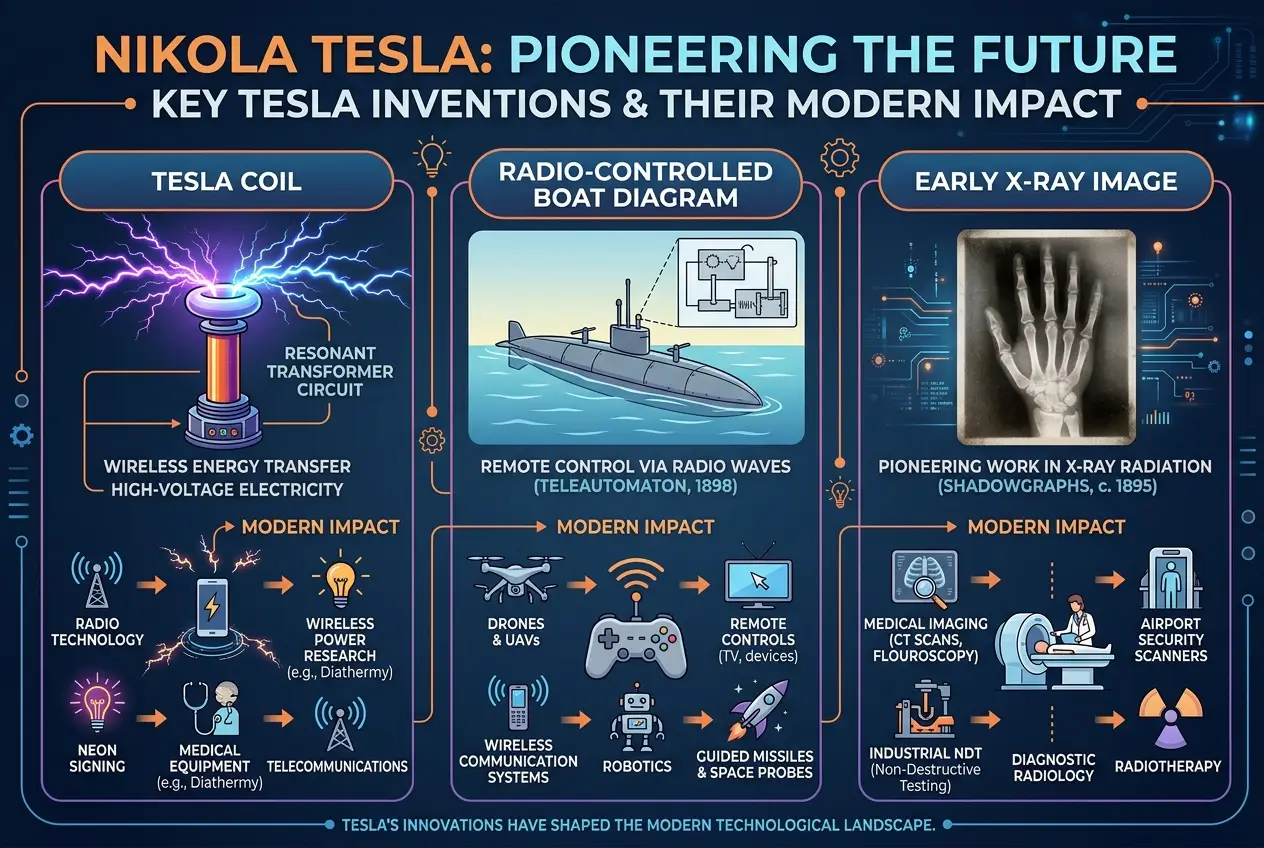
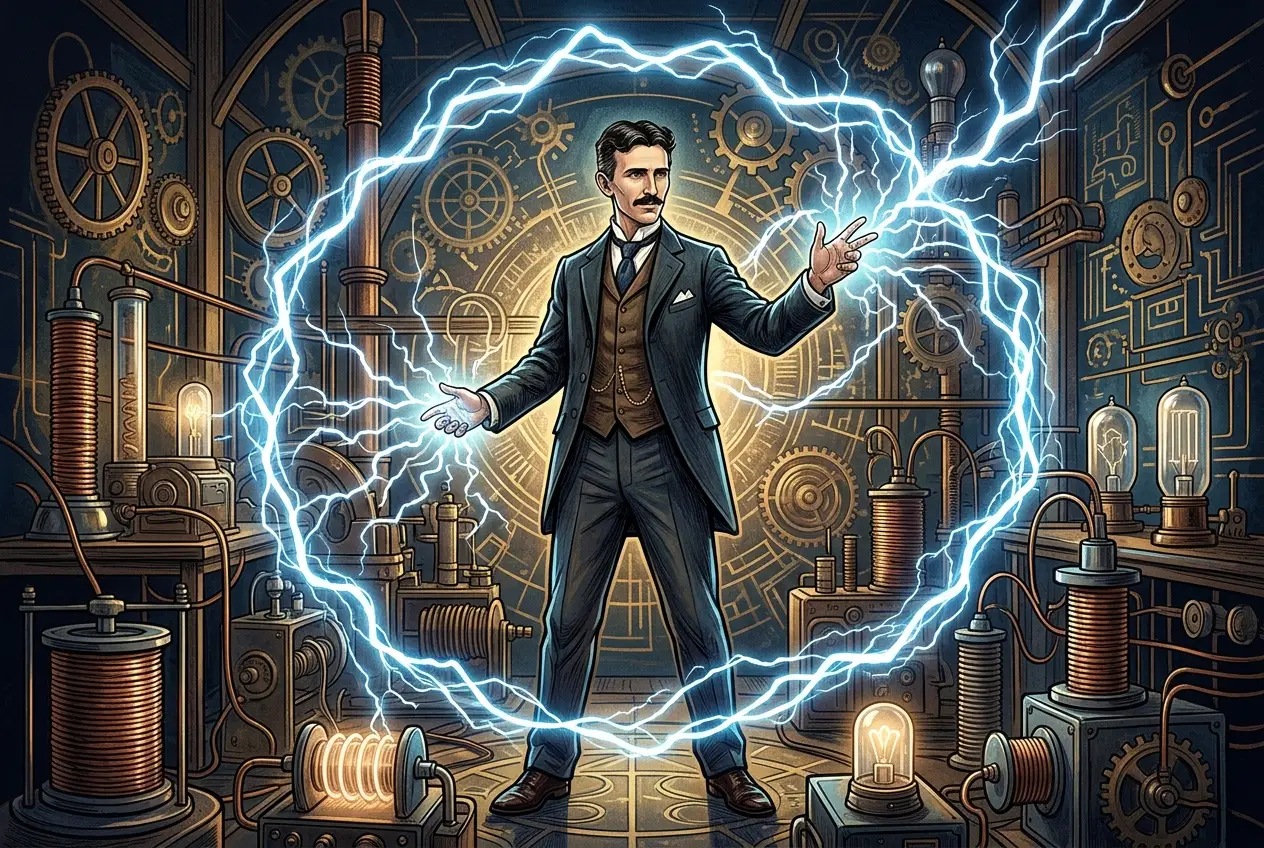
Perhaps his most iconic invention is the **Tesla Coil**, developed around 1891. This resonant transformer circuit can produce high-voltage, high-frequency alternating currents, generating spectacular electrical arcs. While often seen today in demonstrations, its original purpose was far more practical: to explore the phenomena of electricity and magnetism at high frequencies, paving the way for wireless communication.
Indeed, Tesla performed groundbreaking experiments in radio technology. In 1893, he demonstrated wireless radio communication in St. Louis, Missouri, two years before Guglielmo Marconi's famous transatlantic signal. Tesla filed his patents for radio in 1897. Though Marconi is often credited as the "father of radio," the U.S. Supreme Court in 1943 actually upheld Tesla's radio patents, acknowledging his prior work. This often-overlooked fact highlights a recurring theme in Tesla's life: his ideas were frequently adopted, sometimes without proper credit, by others who were better at commercialization. According to Wikipedia, "Tesla's research into high-frequency alternating currents also provided the basis for the development of radio technology." (Source: [Wikipedia - Nikola Tesla](https://en.wikipedia.org/wiki/Nikola_Tesla)).
### Remote Control and Robotics
In 1898, at Madison Square Garden, Tesla unveiled what was arguably the world's first **radio-controlled boat**. He called it a "teleautomaton." This demonstration was revolutionary, showcasing a vessel that could be maneuvered by signals sent through the air. The audience, including distinguished scientists, struggled to comprehend what they were seeing, some speculating he was using trained monkeys inside the boat. This invention was a profound precursor to modern remote control, robotics, and even drones. He envisioned a future where machines could perform tasks autonomously, driven by wireless commands, echoing today’s discussions around robotics and AI.
### X-rays and Other Discoveries
Tesla was also an early pioneer in **X-ray imaging**. Even before Wilhelm Röntgen announced his discovery of X-rays in 1895, Tesla was experimenting with high-voltage vacuum tubes, producing what he called "shadowgraphs." He observed strange effects on photographic plates stored near his lab, leading him to investigate these powerful rays. He even managed to produce some of the earliest X-ray images, including a photograph of a foot with a shoe on, demonstrating the ability to see through solid objects.
His laboratory notebooks from this period detail a dizzying array of experiments and concepts:
* **Neon and fluorescent lighting:** He created and showcased these decorative and efficient lighting solutions at the World's Columbian Exposition.
* **Hydroelectric power:** His work at Niagara Falls set the standard for harnessing natural forces for electricity.
* **Ozonator:** An early device for sanitizing water and air.
* **Vertical Take-Off and Landing (VTOL) aircraft:** Sketches of flying machines that could take off and land vertically.
## The Dream of Wireless Power: Wardenclyffe and Beyond
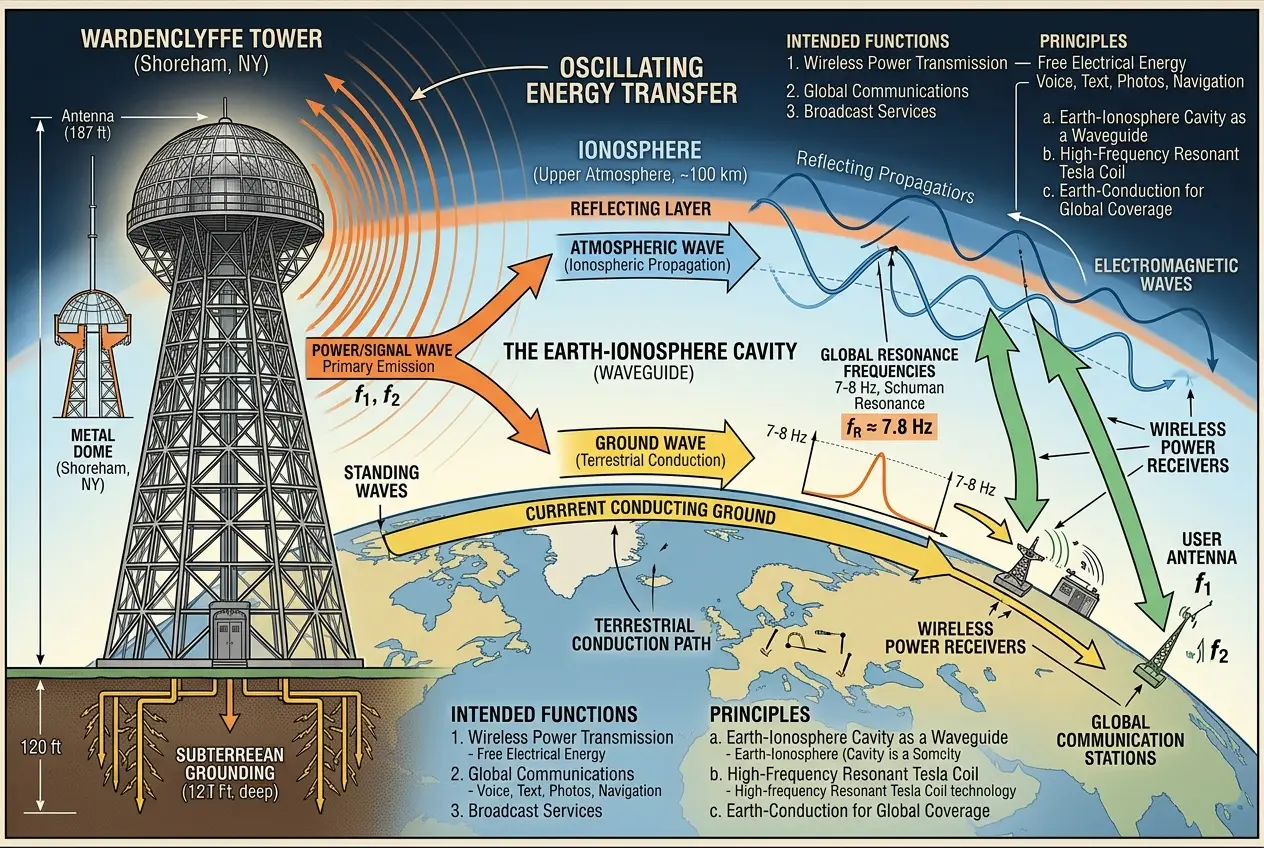
Tesla’s most ambitious and, arguably, tragic project was his vision for **worldwide wireless power transmission**. He believed he could not only transmit information wirelessly (which he did with radio) but also electrical energy itself, anywhere on Earth, to power homes, factories, and even vehicles, all without cables. This concept, often misinterpreted as "free energy," was more about universal, accessible energy.
His grand experiment to realize this dream was the **Wardenclyffe Tower**, built on Long Island, New York, starting in 1901. Designed by architect Stanford White, the colossal wooden tower, topped with a massive copper dome, was intended to be the heart of a global broadcasting system – not just for communication, but for power. Tesla secured funding from J.P. Morgan, promising a lucrative transatlantic communication system. However, his true ambition was much grander: to create a global "magnifying transmitter" that would tap into the Earth's resonant frequencies and transmit electrical energy through the ground and atmosphere.
Morgan, more interested in profits from communication (and likely wary of a system that offered power without meters), eventually pulled funding when he realized Tesla's true, expansive goal. Other investors also backed away, doubting the feasibility and commercial viability of such a radical idea. The project stagnated, and the magnificent tower, a symbol of boundless ambition, was eventually dismantled for scrap in 1917 to pay off debts.
I often reflect on Wardenclyffe as a monument to visionary ambition clashing with the harsh realities of finance and conventional thinking. Was it truly possible? While large-scale wireless power transmission in the way Tesla envisioned remains elusive, his foundational work on resonant circuits and electromagnetic fields is critical to modern wireless charging technologies for phones, electric toothbrushes, and even some electric vehicles. The dream of harnessing the Earth's energy echoes in discussions about clean, abundant power. For those curious about harnessing unseen energy, you might be interested in our blog on [cold fusion as a clean energy dream](https://www.curiositydiaries.com/blogs/cold-fusion-a-clean-energy-dream-or-scientific-delusion-5175).
### Other Visionary Concepts
Tesla’s mind was a torrent of ideas:
* **Teleforce ("Death Ray"):** A particle beam weapon he claimed could protect nations by creating an impenetrable wall of force. He proposed it as a defensive weapon, hoping it would make war impossible.
* **Artificial Tidal Wave Generator:** A device to create enormous waves.
* **Weather Modification:** Early concepts for influencing atmospheric conditions.
* **World System:** His overarching vision for a global network of wireless power and communication.
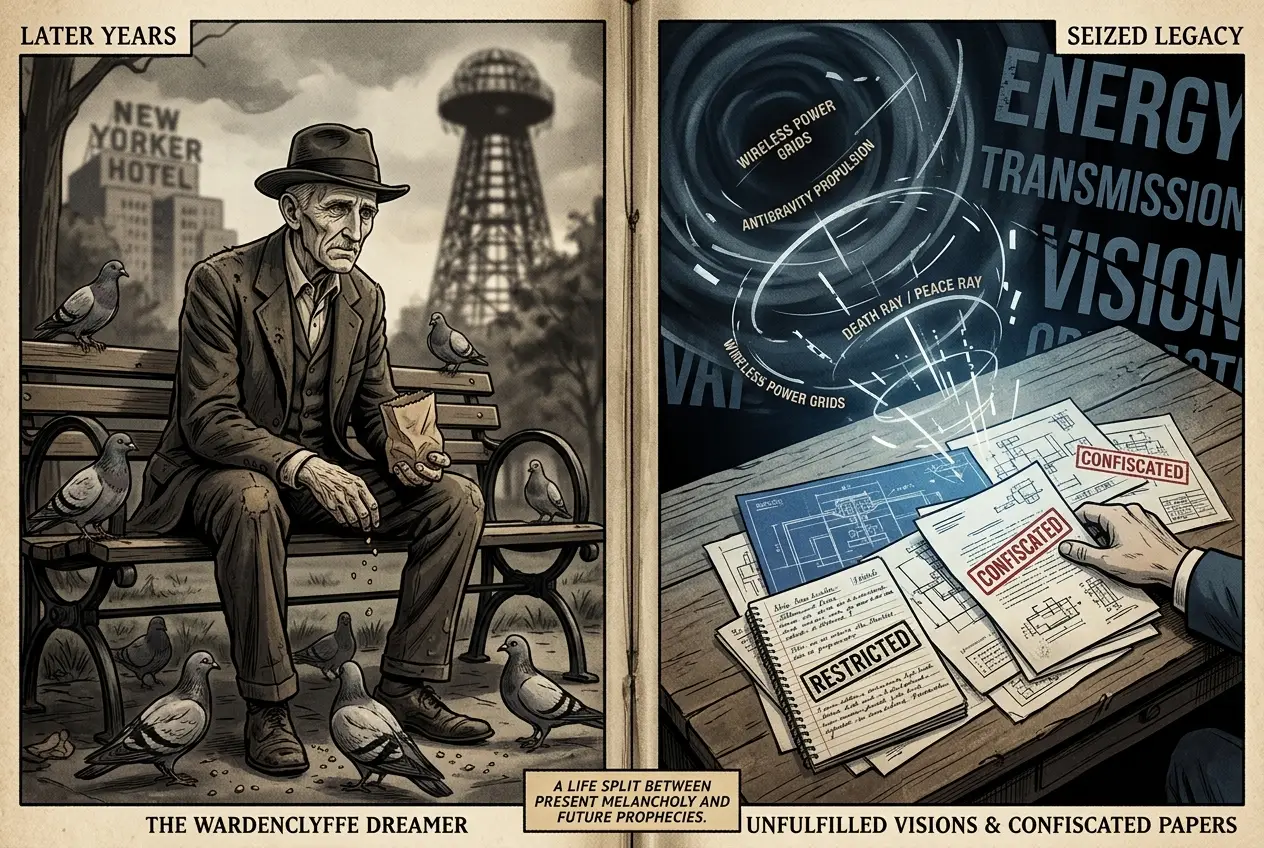
Many of these later ideas were met with skepticism, sometimes even ridicule, further isolating him from the scientific establishment and financial backers. His increasing eccentricities—his germophobia, his fascination with pigeons, his claims of communicating with Martian signals—only added to his public perception as a mad scientist in his later years.
## The Solitary Pioneer: Later Years and Eccentricities
As the 20th century progressed, Tesla became increasingly solitary and eccentric. He continued to live in hotels, moving frequently, his life punctuated by financial struggles despite the immense value of his early patents. He spent much of his time feeding pigeons in New York City parks, particularly one specific white pigeon he claimed to love as one would a human being.
His mind, however, never stopped creating. Even in his later years, he continued to develop new theories and inventions, albeit often without the resources or support to bring them to fruition. He would often work late into the night, sketching and calculating, driven by an insatiable curiosity and an unwavering belief in the potential of science to improve humanity.
I find Tesla's later life profoundly moving. Here was a man whose intellect had literally powered the modern world, yet he died relatively unknown and in debt, his grander visions unfulfilled and largely dismissed by contemporaries. His story serves as a poignant reminder that genius, without effective communication, collaboration, and commercial acumen, can sometimes be a lonely burden.
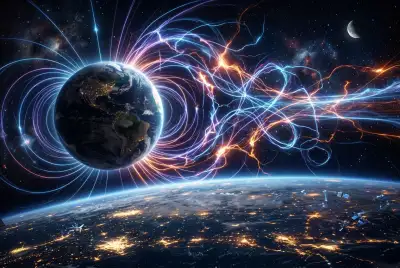
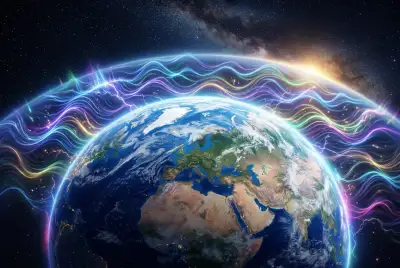
One of his lesser-known but fascinating ideas involved "invisible walls" or force fields. While often associated with science fiction, Tesla explored ways to manipulate electromagnetic fields for various purposes. Though not a literal "invisible wall," his work on resonance and high-frequency currents could be seen as a conceptual precursor to ideas explored in our blog: [Can Tesla's Invisible Walls Shield Our Future?](https://www.curiositydiaries.com/blogs/can-teslas-invisible-walls-shield-our-future-5639)
Tesla died on January 7, 1943, at the age of 86, alone in his hotel room in New York City. The FBI immediately seized his papers, fearing that his advanced research could be valuable to enemy powers during World War II.
## The Enduring Legacy: Tesla's Resonance in the 21st Century
Despite his tragic end, Tesla's influence is undeniable and, in many ways, more recognized today than it was in his lifetime. He wasn't just an inventor; he was a futurist who saw the world decades, even a century, ahead.
### Powering Our World
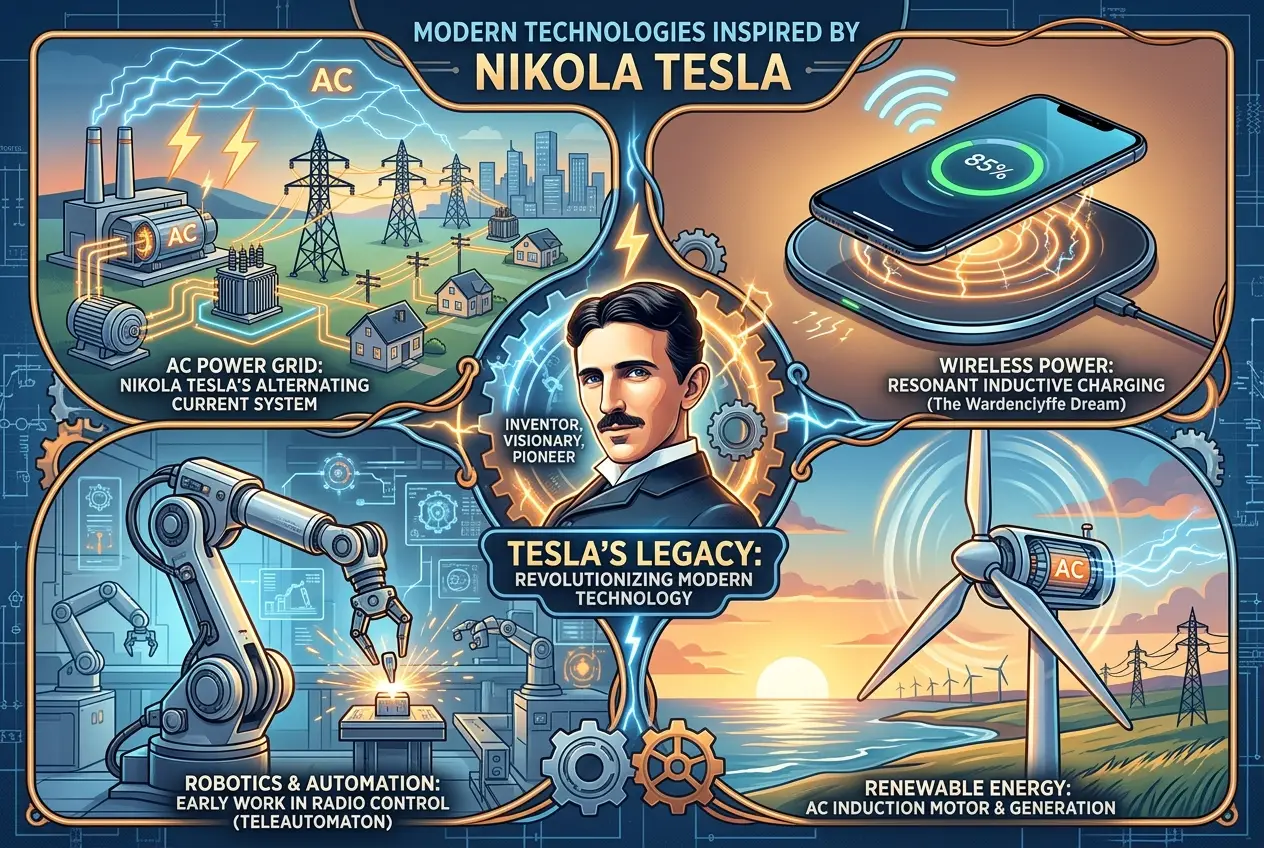
His alternating current system is the bedrock of modern electrical grids worldwide. Without AC, our ability to transmit electricity over vast distances would be severely limited, and the entire infrastructure of modern civilization would be impossible as we know it. Every appliance, every light bulb, every industrial machine powered by the grid owes a debt to Tesla’s insight.
### Wireless Innovations
From his early radio patents to his remote-controlled boat, Tesla laid the groundwork for countless wireless technologies. Radio, television, mobile communications, Wi-Fi, and even GPS all trace conceptual roots back to his pioneering experiments with electromagnetic waves and resonant circuits. His vision of a global communication network, though initially dismissed, has been realized in the form of the internet and satellite communication. For a glimpse into how advanced concepts like brainwave control could emerge from such foundational understanding, you might explore our piece on [can brainwaves control tech from afar](https://www.curiositydiaries.com/blogs/can-brainwaves-control-tech-from-afar-9230).
### Robotics and Automation
His "teleautomaton" was a direct predecessor to modern robotics and automation. Tesla envisioned machines that could operate autonomously or be controlled remotely, freeing humans from dangerous or monotonous tasks. This is a central tenet of the rapidly advancing fields of robotics and artificial intelligence today.
### Renewable Energy and Beyond
Tesla's fervent belief in harnessing natural energy sources and providing universal, clean power resonates strongly with today's focus on renewable energy and sustainable technologies. His work at Niagara Falls was a monumental step in hydropower, and his broader vision for unlimited, accessible energy continues to inspire researchers in fields like solar, wind, and even fusion energy.
## What if Tesla Had More Support?
It's a tantalizing thought: what if Tesla had received sustained financial backing for his most ambitious projects, like Wardenclyffe? What if he had been a shrewd businessman, or had a better public relations team, like Edison? Would we have achieved global wireless power a century earlier? Would the transition to clean, abundant energy sources have happened much sooner?
These are questions we can only ponder, but they highlight the crucial interplay between scientific genius, technological development, and the economic and social forces that shape innovation. Tesla’s story is a reminder that the path of a visionary is often fraught with misunderstanding, opposition, and financial peril.
## Conclusion: The Wizard's Enduring Light
Nikola Tesla was a man who lived decades ahead of his time, a true wizard of electricity whose visions reshaped the world. His legacy is not just in the alternating current that powers our homes or the radio waves that carry our voices, but in the very idea of pushing the boundaries of what's possible. He dreamed of a world of limitless energy, global communication, and automated systems, and in many ways, he laid the conceptual and technological groundwork for the digital age we now inhabit.
As I look around at our increasingly connected, wirelessly powered world, I see Tesla's fingerprints everywhere. His life reminds us that true progress often comes from those who dare to dream beyond the conventional, even if they walk a lonely path. He was more than an inventor; he was a prophet of technology, whose light continues to guide us into the future he helped create.
Frequently Asked Questions
Nikola Tesla’s most significant contribution was the development and promotion of the alternating current (AC) electrical system. This system allowed for efficient long-distance transmission of electricity, forming the basis of our modern power grids and making widespread electrification possible.
The 'War of Currents' was a fierce rivalry between Tesla's AC system (backed by Westinghouse) and Edison's DC system. While AC ultimately triumphed, the intense commercial and propaganda battles, along with Edison’s attempts to discredit AC, initially overshadowed Tesla's contributions, though his genius later received widespread recognition.
While Guglielmo Marconi is widely credited with inventing the radio, Tesla filed his radio patents in the U.S. in 1897 and demonstrated wireless communication years earlier. In 1943, the U.S. Supreme Court upheld Tesla's patents, acknowledging his prior work and foundational contributions to radio technology.
The Wardenclyffe Tower was Tesla's ambitious project to build a global wireless transmission system. While publicly pitched as a transatlantic communication facility, Tesla's ultimate vision was to transmit electrical energy itself wirelessly around the world, providing universal and accessible power.
Tesla's financial struggles and relative obscurity in his later years were due to a combination of factors: his poor business acumen, his focus on grand, often uncommercialized visions, and his increasing eccentricities which alienated potential investors and collaborators. Many of his ideas were too far ahead of their time to be fully appreciated or funded by his contemporaries.
Tesla’s inventive mind explored numerous fields, including X-ray imaging, remote control and robotics (with his teleautomaton), neon and fluorescent lighting, hydroelectric power generation, concepts for VTOL aircraft, and even speculative ideas like particle beam weapons ('death ray') and weather modification, all demonstrating his immense foresight.
Verified Expert
Alex Rivers
A professional researcher since age twelve, I delve into mysteries and ignite curiosity by presenting an array of compelling possibilities. I will heighten your curiosity, but by the end, you will possess profound knowledge.
Leave a Reply
Comments (0)
No approved comments yet. Be the first to share your thoughts!
 Join Us
 Unknown Author




Leave a Reply
Comments (0)