


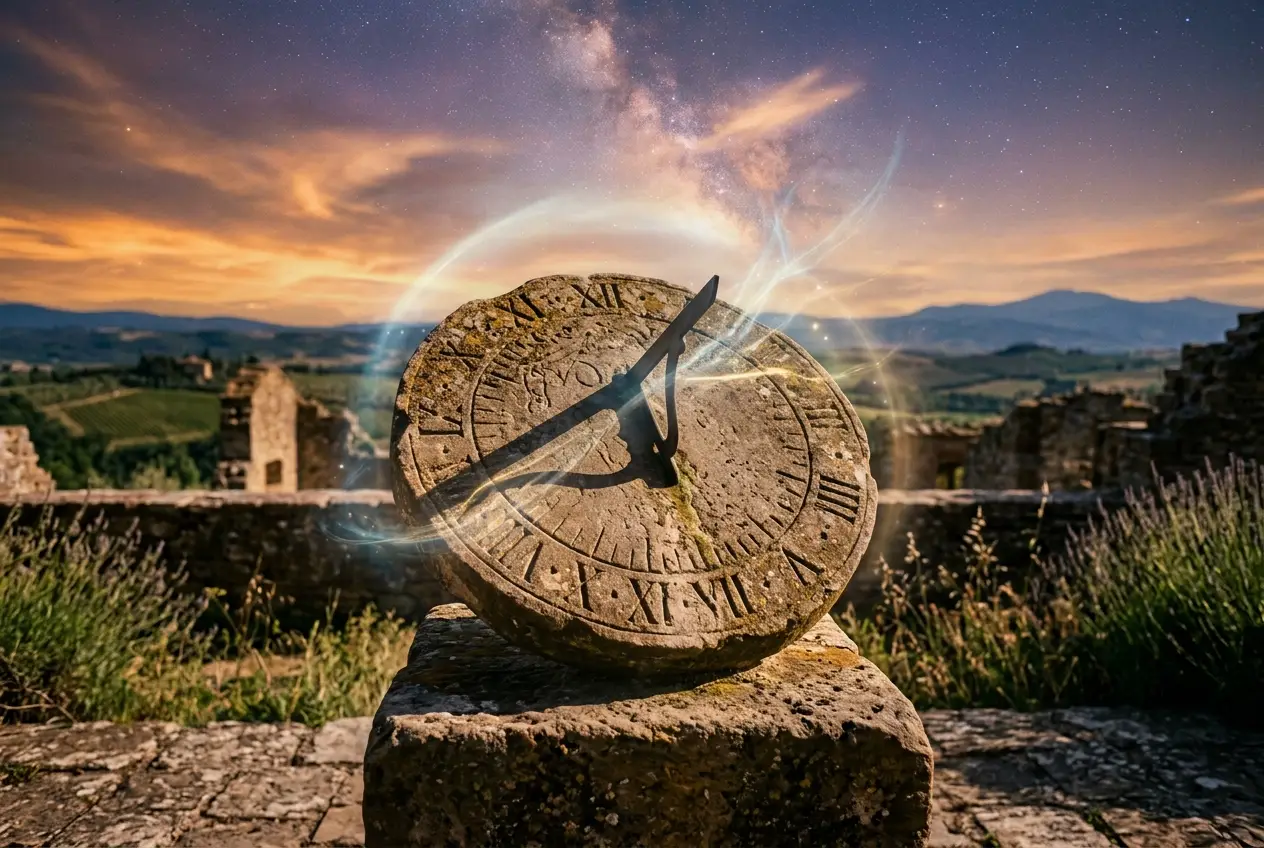
The sundial stands as a symbol of humanity's earliest attempts to measure time, a silent testament to our ancestors' ingenuity. Simple in its design, a gnomon casts a shadow whose changing position marks the passage of hours. For millennia, these stoic timekeepers guided daily life, from agricultural rhythms to religious ceremonies. But what if these seemingly basic instruments, or the meticulous astronomical observations that accompanied them, were capable of far more than just telling time? What if, buried within the collective wisdom of ancient astronomers, lay the subtle keys to predicting something as dramatic and powerful as a solar flare?
It's a bold thought, I know. My mind often wanders to these "what if" scenarios when I delve into historical tech. We often view ancient civilizations through the lens of limited technology, yet their understanding of the cosmos, without telescopes or satellites, was remarkably profound. They watched the sky with an intensity we rarely match today, noticing patterns that escape our casual gaze. Could their sustained, naked-eye vigilance have revealed subtle anomalies linked to the sun's volatile behavior?
The Humble Sundial: More Than Just a Clock
At its core, a sundial works on a straightforward principle: the Earth rotates, causing the sun's apparent position in the sky to change, and a stationary object (the gnomon) casts a shadow that moves across a marked surface (the dial plate). The design might seem primitive, but crafting an accurate sundial, especially one that accounts for seasonal variations, required sophisticated astronomical knowledge. Early civilizations, from the Egyptians to the Greeks and Romans, perfected various forms, embedding mathematical precision into their daily lives. For a deeper dive into their construction, you can explore the fascinating history of the sundial on Wikipedia.
Ancient observers understood the sun's annual path, the solstices, and the equinoxes. Their sundials weren't just about telling time; they were tools for understanding the sun's journey through the heavens. But the sun isn't just a predictable orb. It’s a dynamic, explosive star, constantly churning with energy, occasionally unleashing powerful bursts that can have profound effects on our planet.
The Sun's Fury: Unpacking Solar Flares
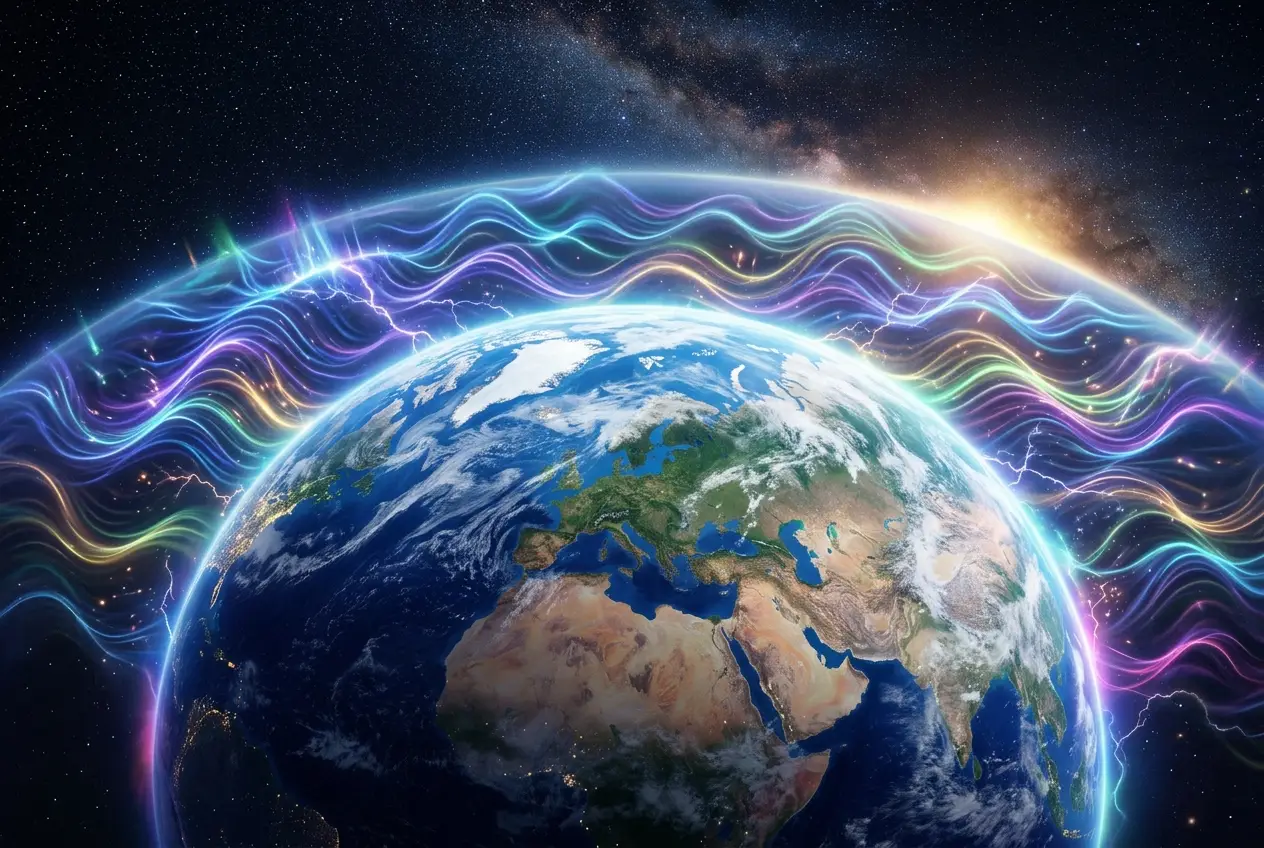
Solar flares are intense bursts of radiation and energy from the sun's surface, often originating from active regions around sunspots. When these flares are particularly powerful, they can be accompanied by Coronal Mass Ejections (CMEs), which are massive expulsions of plasma and magnetic field from the sun's corona. These phenomena, while spectacular, can wreak havoc on Earth.
Impacts of Solar Flares and CMEs:
- Geomagnetic Storms: When CMEs hit Earth’s magnetic field, they can trigger geomagnetic storms, leading to stunning auroras but also disrupting power grids.
- Radio Blackouts: X-rays and ultraviolet radiation from flares can ionize Earth's upper atmosphere, causing shortwave radio blackouts.
- Satellite Interference: Spacecraft and satellite communications can be disrupted, affecting GPS, telecommunications, and weather monitoring.
- Radiation Hazards: Astronauts in orbit face increased radiation exposure during intense solar events.
Modern science monitors the sun with an array of sophisticated satellites and ground-based telescopes, allowing us to predict severe solar weather with some accuracy. Want to know more about these dramatic solar events? Wikipedia offers a comprehensive overview of solar flares.
Bridging the Divide: Could Ancient Observation Have Seen the Signs?
Now, for the big question: could ancient sundials, or the astronomical practices surrounding them, have offered clues to impending solar flares? Directly predicting a solar flare with a sundial seems improbable, as flares are rapid, high-energy events. However, the conditions that lead to flares – heightened solar activity, particularly large sunspot groups – might have been noticeable to diligent ancient sky-watchers.
Sunspots, darker and cooler regions on the sun's surface, are often the birthplace of flares. While they are difficult to observe directly and safely without protection, they are visible to the naked eye during sunrise or sunset when the sun is dimmed by atmospheric scattering, or through natural filters like haze or smoke. Historical records from China, Korea, and Europe attest to sunspot observations dating back millennia.
If ancient astronomers were meticulously tracking the sun's appearance over decades or centuries, they might have noticed:
- Variations in Sun's Brightness/Color: Extremely large sunspot groups can slightly diminish the sun's overall brightness or alter its hue, especially when viewed through atmospheric filtering. Could this have been recorded as an omen or a change in the sun's "temperament"?
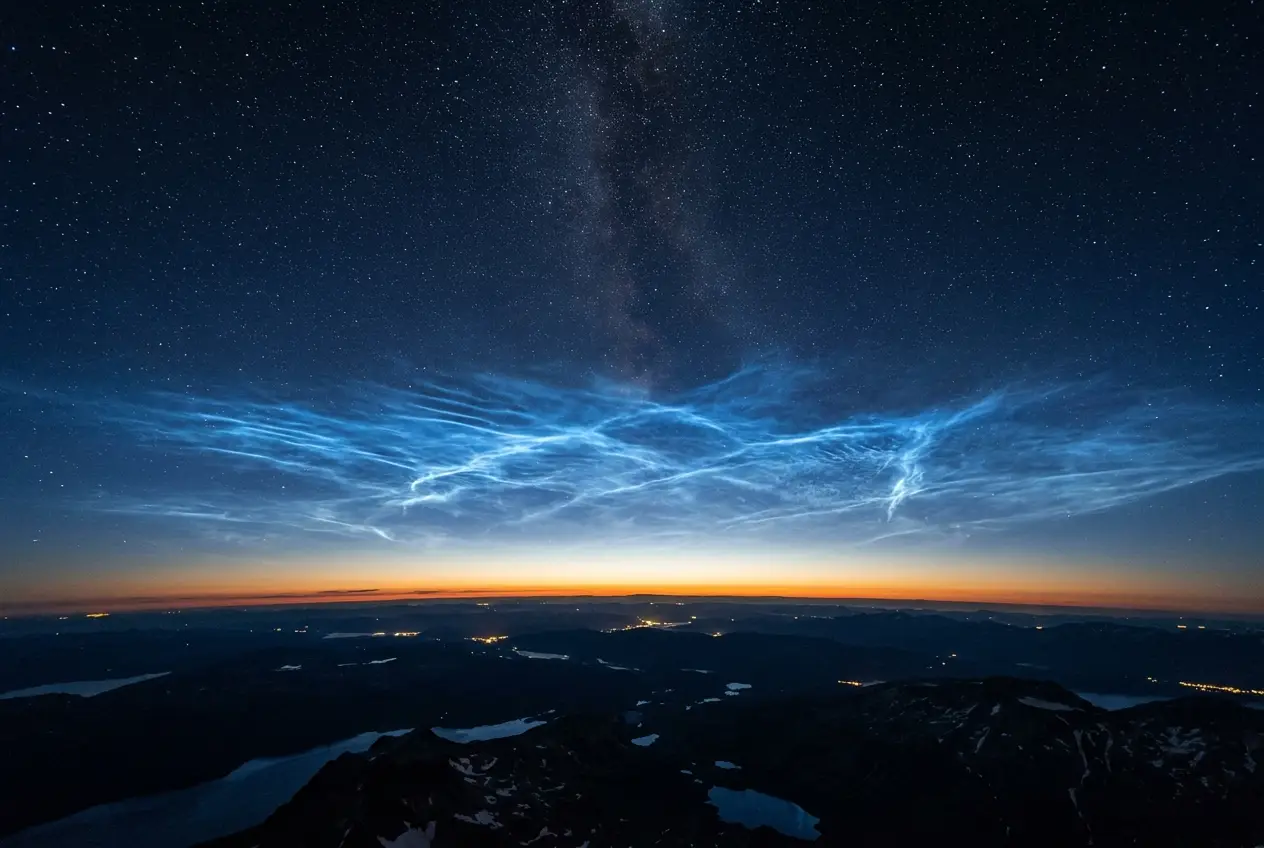
- Increased Auroral Activity: Solar flares and CMEs significantly increase auroral displays, pushing them to lower latitudes than normal. Ancient civilizations residing closer to the equator might have rarely seen auroras, making their appearance a truly rare and noteworthy event, potentially associated with unusual solar behavior. If these were documented in conjunction with subtle changes in solar appearance, it could have formed a rudimentary predictive link.
- Atmospheric Effects: Intense solar radiation can affect Earth's upper atmosphere. While not directly observable on a sundial, these effects could have subtly influenced atmospheric conditions, leading to phenomena that ancient observers did notice and perhaps correlated with other solar signs.
While a sundial itself wouldn't "predict" a flare, the systematic, long-term observational framework that produced sundials could have yielded insights. Consider the incredible precision of devices like the Antikythera Mechanism, a complex ancient Greek analog computer capable of predicting astronomical positions and eclipses. This device, detailed in articles like Antikythera: Was It Our First Analog Computer?, shows an incredible mastery of celestial mechanics. It suggests that ancient thinkers possessed the intellectual capacity and dedication for intricate pattern recognition.
They might not have understood the physics of plasma and magnetic fields, but their accumulated wisdom could have built empirical correlations. Perhaps certain configurations of atmospheric haze, combined with noticeable sunspots and enhanced auroras, were seen as harbingers of "celestial disturbances" that we now understand as solar weather. After all, ancient cultures meticulously mapped celestial bodies and their movements, as discussed in Did Ancient Star Maps Predict Cosmic Events?.
The Limits of Evidence and the Power of Curiosity
Of course, concrete evidence for sundials directly predicting solar flares is non-existent. We don't have ancient texts saying, "On the third day after the sun showed three large spots and the sky glowed green, our sundial’s shadow behaved erratically, and a great 'fire' erupted from the sun." Such a record would be astounding!
However, the absence of direct proof doesn't diminish the intriguing possibility that ancient, holistic observation might have picked up on more than we give them credit for. Our modern scientific methods isolate phenomena, while ancient approaches often integrated observations across various domains – celestial, terrestrial, and even atmospheric. Geomagnetic storms, for instance, are known to subtly influence biological systems, a phenomenon that has even sparked questions about how Earth's Magnetic Field Affects Our Minds. Could ancient observers, more attuned to natural rhythms, have unconsciously correlated these subtle effects with visible solar phenomena?
The difficulty lies in translating anecdotal observations, mythical accounts, or astrological interpretations into verifiable scientific predictions. What an ancient shaman might have interpreted as a "celestial omen" could, through a modern lens, be re-evaluated as a record of a specific solar event.
Conclusion: A Legacy of Watching the Skies
The idea that ancient sundials could have been more than just timekeeping devices – perhaps serving as silent sentinels for cosmic events – remains largely in the realm of curious speculation. Yet, it forces us to appreciate the depth of ancient astronomical knowledge and the sheer dedication of those who spent their lives observing the heavens. They may not have possessed our scientific models or advanced instruments, but they had patience, keen eyes, and a profound respect for the rhythms of the cosmos.
Perhaps the greatest lesson is not whether sundials did predict solar flares, but that the human quest for understanding the universe is an ancient, enduring one, constantly pushing the boundaries of what we perceive as possible. It reminds us that even the simplest tools, in the hands of dedicated observers, can unlock secrets of the universe we are still striving to fully comprehend.




Conversation0
No comments yet. Be the first to share a thought — the best questions often become new stories.