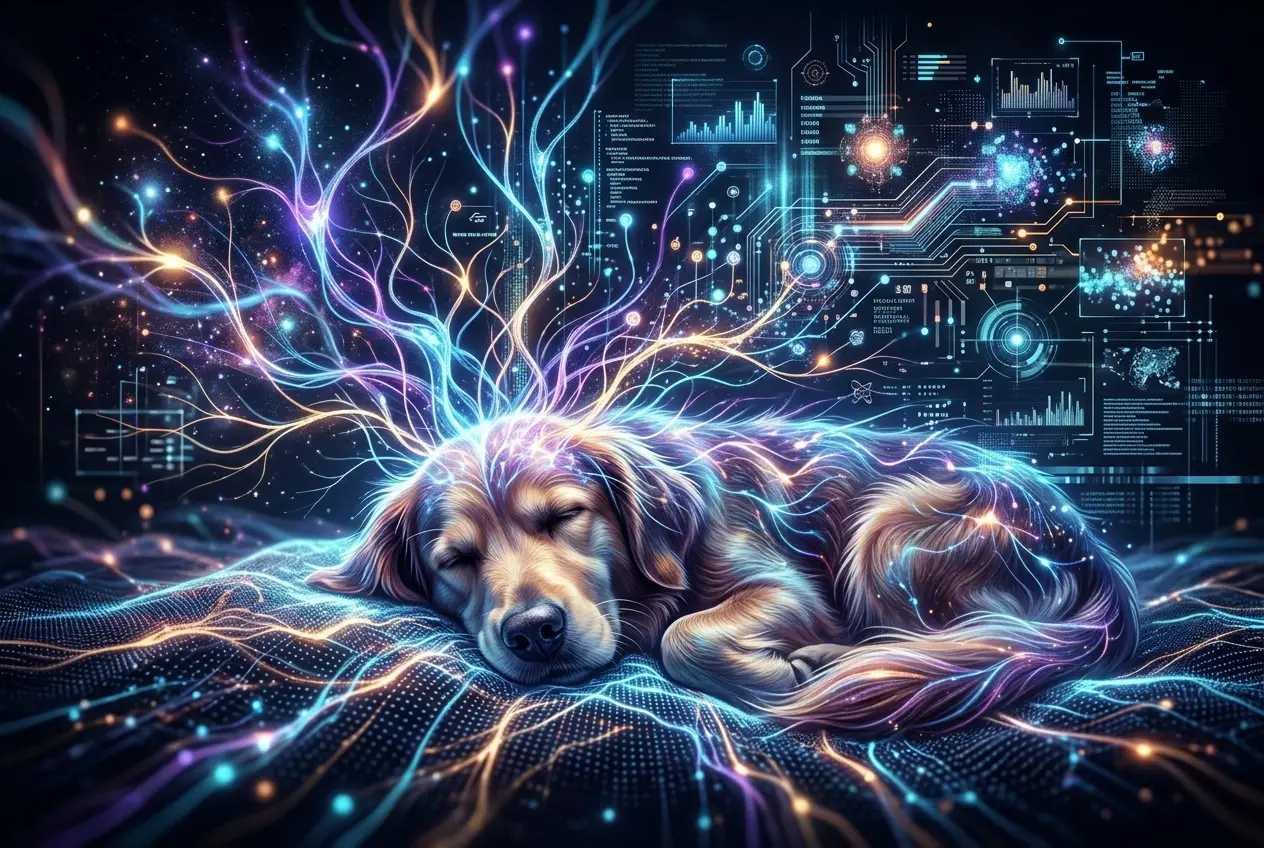
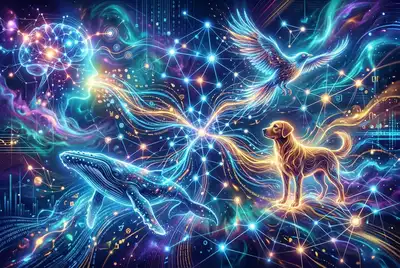
I often find myself watching my dog, Buster, as he sleeps. His paws twitch, soft whimpers escape his muzzle, and sometimes, he even seems to be running in place. It makes me wonder: what worlds is he exploring in his dreams? Is he chasing squirrels through an endless park? Or is he reliving the joy of a belly rub? For centuries, the inner lives of animals during sleep have been a profound mystery, a silent canvas of non-human consciousness. But what if the very technology we’ve developed, artificial intelligence, could finally help us peer into these secret mental landscapes? I believe we are on the cusp of an era where AI might just unlock the silent narratives of animal dreams.
The concept of animals dreaming isn't new; anyone who lives with a pet has likely observed behavior indicative of it. We see dogs paddling their legs, cats pouncing, and birds chirping softly in their sleep. Scientifically, we know that many mammals and even some birds experience REM (Rapid Eye Movement) sleep, the phase associated with vivid dreaming in humans. Yet, understanding the *content* of these dreams remains a formidable challenge. How do you ask a rabbit what it dreamt about? This is where the burgeoning field of AI-driven neuroscience is stepping in, offering tools that could potentially translate the untranslatable.
## **The Elusive World of Animal Sleep Cycles**
Before we can decode dreams, we first need to understand animal sleep. Just like humans, many animals exhibit distinct sleep stages, including non-REM (NREM) and REM sleep. NREM sleep is characterized by slower brain waves and is often associated with physical rest and memory consolidation. REM sleep, however, is a fascinating and active period. During REM, brain activity often mirrors that of wakefulness, muscle tone is largely inhibited (a phenomenon known as REM atonia), and rapid eye movements occur.
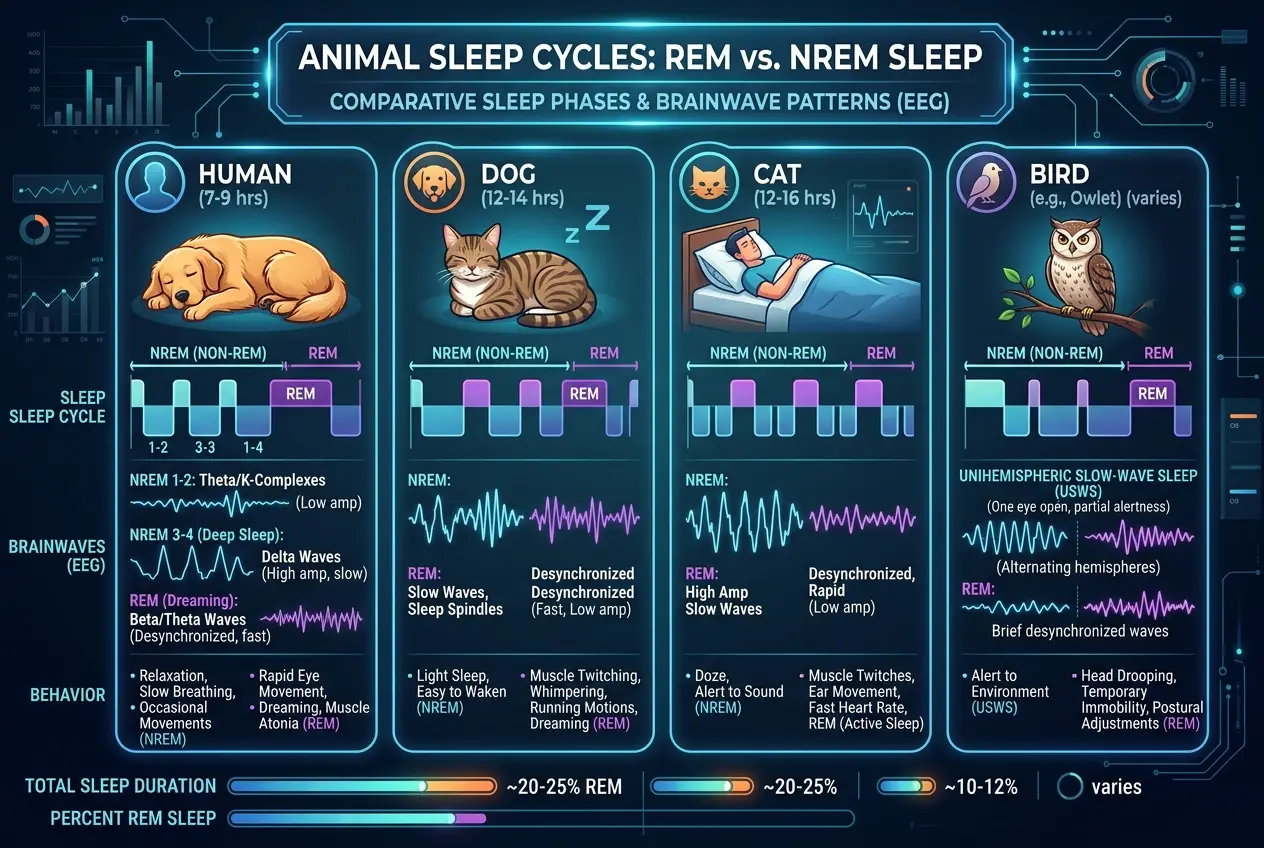
For instance, studies have shown that rats, after navigating a maze, will show similar brain activity patterns during REM sleep as they did while running the maze. This suggests that they are replaying their waking experiences, a strong indicator of dreaming. This re-experiencing of events is crucial. If animals replay waking experiences, then theoretically, if we can "read" these neural patterns during wakefulness, we might be able to identify them during sleep. This is precisely the hypothesis AI researchers are exploring. You can delve deeper into the complex mechanics of biological clocks and how they might be influenced by external factors by checking out our previous blog on [Can Magnetic Fields Reshape Our Biological Clocks?](https://www.curiositydiaries.com/blogs/can-magnetic-fields-reshape-our-biological-clocks-9345).
## **Early Forays: Neuroscience and Its Limitations**
Traditional neuroscience has made significant strides in understanding brain activity during sleep. Techniques like electroencephalography (EEG) measure electrical activity on the scalp, providing insights into sleep stages and overall brain states. Functional magnetic resonance imaging (fMRI) allows researchers to observe blood flow in the brain, indicating areas of activity. However, these methods, while powerful, have inherent limitations when it comes to decoding subjective experience.
For example, while EEG can confirm that an animal is in REM sleep, it cannot tell us *what* the animal is seeing or feeling. Invasive techniques, involving electrodes implanted directly into the brain, can offer higher resolution data from specific neurons. Pioneering work in the early 2000s, like that by MIT researchers, recorded neural activity in the hippocampus of rats as they ran a maze. Later, during REM sleep, these same neural patterns would fire in sequence, as if the rats were mentally re-running the maze. This was a groundbreaking step, but translating these raw neural signals into coherent dream imagery or narrative remains the ultimate frontier, one that AI is uniquely positioned to tackle. For more on how the brain processes information, I recommend reading about [Are Our Brains Quantum Field Generators?](https://www.curiositydiaries.com/blogs/are-our-brains-quantum-field-generators-7406).
## **The AI Revolution: Pattern Recognition in the Neural Labyrinth**
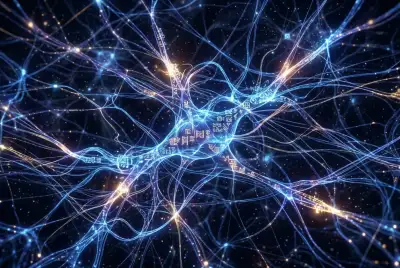
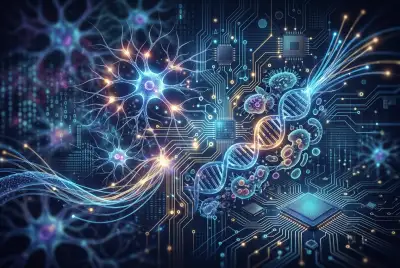
The real game-changer in this quest is the advancement of artificial intelligence, particularly machine learning and deep learning algorithms. AI excels at identifying complex patterns within vast datasets – a perfect match for the intricate dance of neural activity in a sleeping brain.
Here’s how AI is beginning to approach this monumental task:
### **1. Neural Decoding and Feature Extraction**
AI models can be trained on an animal's brain activity while it's awake and engaged in specific behaviors (e.g., hunting, playing, eating, navigating a known environment). For instance, researchers might monitor a monkey's visual cortex while it looks at various objects. The AI learns to correlate specific neural firing patterns with the visual input. When the monkey is asleep, the AI can then analyze its brain activity and attempt to "reconstruct" the visual stimuli it might be experiencing in its dream. This process involves complex algorithms that extract features from neural data, essentially creating a dictionary of brain states linked to known experiences. The more sophisticated the AI, the more nuanced these correlations can become.
### **2. Predictive Modeling**
Beyond simply correlating patterns, AI can build predictive models. If an animal consistently exhibits a certain sequence of neural firing during a specific waking activity, AI can learn to predict the subsequent neural states. When these sequences appear during sleep, the AI can then infer the likely continuation of the dream "narrative." This is akin to a sophisticated autocomplete for the brain.
### **3. Generative Adversarial Networks (GANs) and Dream Synthesis**
One of the most exciting, albeit speculative, applications involves generative AI. If an AI can decode neural patterns into conceptual representations, a GAN could theoretically take those representations and generate visual or auditory interpretations. Imagine an AI analyzing a dog's sleep patterns and then generating a video of what the dog might be "seeing" – a blurry, chaotic chase scene or a serene field of smells. This is a very complex frontier, blending neural science with advanced computer graphics and synthesis.
## **Challenges and Ethical Quandaries**
While the potential is thrilling, decoding animal dreams presents significant scientific and ethical challenges.
* **The Subjectivity Problem:** Even with perfect neural data, how do we truly know if the AI's interpretation matches the animal's subjective experience? Dreams are inherently personal. A rat's "maze dream" might feel completely different to the rat than it appears to our scientific interpretation.
* **Data Acquisition:** Obtaining high-resolution neural data, especially from deep brain structures, often requires invasive procedures. Balancing scientific progress with animal welfare is paramount. Ethical guidelines for animal research must be rigorously followed, as detailed by institutions like the National Institutes of Health (NIH) on their [Animal Research Policies website](https://olaw.nih.gov/policies-regulations/animal-welfare-act-phspolicy-olaw-guidance/animal-welfare-act.htm).
* **Complexity of Non-Human Cognition:** Animals perceive and interact with the world differently than humans. Their sensory inputs, emotional responses, and cognitive frameworks are unique. An AI trained solely on human data might misinterpret animal neural patterns. Therefore, specialized AI models tailored to species-specific cognition are crucial.
* **Defining "Dream":** What constitutes a dream for a non-human animal? Is it just memory replay, or can animals also experience abstract, fantastical narratives like humans? The very definition might need to expand.
## **Future Horizons: What Could We Learn?**
If AI successfully unlocks the language of animal dreams, the implications could be profound:
* **Enhanced Animal Welfare:** Understanding an animal's dream content could provide unprecedented insights into its psychological state. Are rescued animals dreaming of past traumas or future comfort? This could lead to better enrichment, rehabilitation, and overall care.
* **Deeper Understanding of Consciousness:** By comparing dream patterns across species, we could gain a more fundamental understanding of consciousness itself – its origins, its variations, and its universality. Is there a common "dream grammar" that transcends species? For more on digital empathy, check out our blog on [Can AI Truly Feel? Decoding Digital Empathy](https://www.curiositydiaries.com/blogs/can-ai-truly-feel-decoding-digital-empathy-8008).
* **Interspecies Communication (of a sort):** While not direct verbal communication, interpreting dreams could open a new channel of understanding between humans and animals. Imagine knowing a companion animal's emotional landscape directly from their sleeping mind. This could be a powerful extension of research into decoding animal language, which we explored in [Can AI Decode Animal Language? New Rosetta Stone](https://www.curiositydiaries.com/blogs/can-ai-decode-animal-language-new-rosetta-stone-5105).
* **Insights into Human Brain Disorders:** Studying how animals process and dream about experiences could offer new models for understanding human neurological and psychiatric conditions, such as PTSD, anxiety, or memory disorders, where dream content plays a significant role. The National Sleep Foundation provides extensive resources on how dreams relate to various conditions on their [Dreams and Nightmares page](https://www.sleepfoundation.org/dreams-sleep/dreams-nightmares).
## **Conclusion: A Glimpse into the Untamed Mind**
The journey to decode animal dreams is a testament to humanity's enduring curiosity and our relentless pursuit of understanding the world around us – and within us. While the challenges are immense, the fusion of advanced neuroscience and powerful AI algorithms offers a tantalizing promise: a future where the silent, secret worlds of animal minds might finally be revealed. It's a venture that not only pushes the boundaries of technology but also compels us to reflect on the very nature of consciousness, empathy, and our place within the diverse tapestry of life on Earth. The dream of understanding animal dreams might soon become a scientific reality, transforming our relationship with the creatures we share our planet with.
Frequently Asked Questions
Not all animals are confirmed to dream in the same way humans do. While many mammals and birds exhibit REM sleep (associated with dreaming), the complexity and content of their dreams are still largely unknown. Reptiles and amphibians, for instance, have much simpler sleep cycles, and it's less clear if they experience anything akin to dreaming.
AI models are trained by correlating specific patterns of neural activity with known behaviors or sensory inputs when the animal is awake. For example, if an animal looks at a ball, the AI learns the corresponding brain pattern. Later, when the animal is asleep, the AI looks for these same patterns to infer what the animal might be experiencing.
Yes, significant ethical concerns exist. Obtaining the high-resolution neural data required often involves invasive procedures (e.g., brain implants). Balancing scientific curiosity with animal welfare and ensuring humane treatment is a critical challenge that researchers must address rigorously.
Research has primarily focused on animals with well-documented REM sleep cycles, such as rodents (rats, mice), cats, and dogs. Some studies also extend to primates and even birds, where similar sleep patterns and cognitive replays have been observed.
While direct, conscious two-way communication through dreams is highly speculative, AI's ability to interpret dream content could provide profound insights into an animal's emotional state, fears, and desires. This deeper understanding could significantly enhance animal welfare and strengthen interspecies bonds.
Verified Expert
Alex Rivers
A professional researcher since age twelve, I delve into mysteries and ignite curiosity by presenting an array of compelling possibilities. I will heighten your curiosity, but by the end, you will possess profound knowledge.
Leave a Reply
Comments (0)
No approved comments yet. Be the first to share your thoughts!
 Join Us

 Unknown Author















Leave a Reply
Comments (0)