


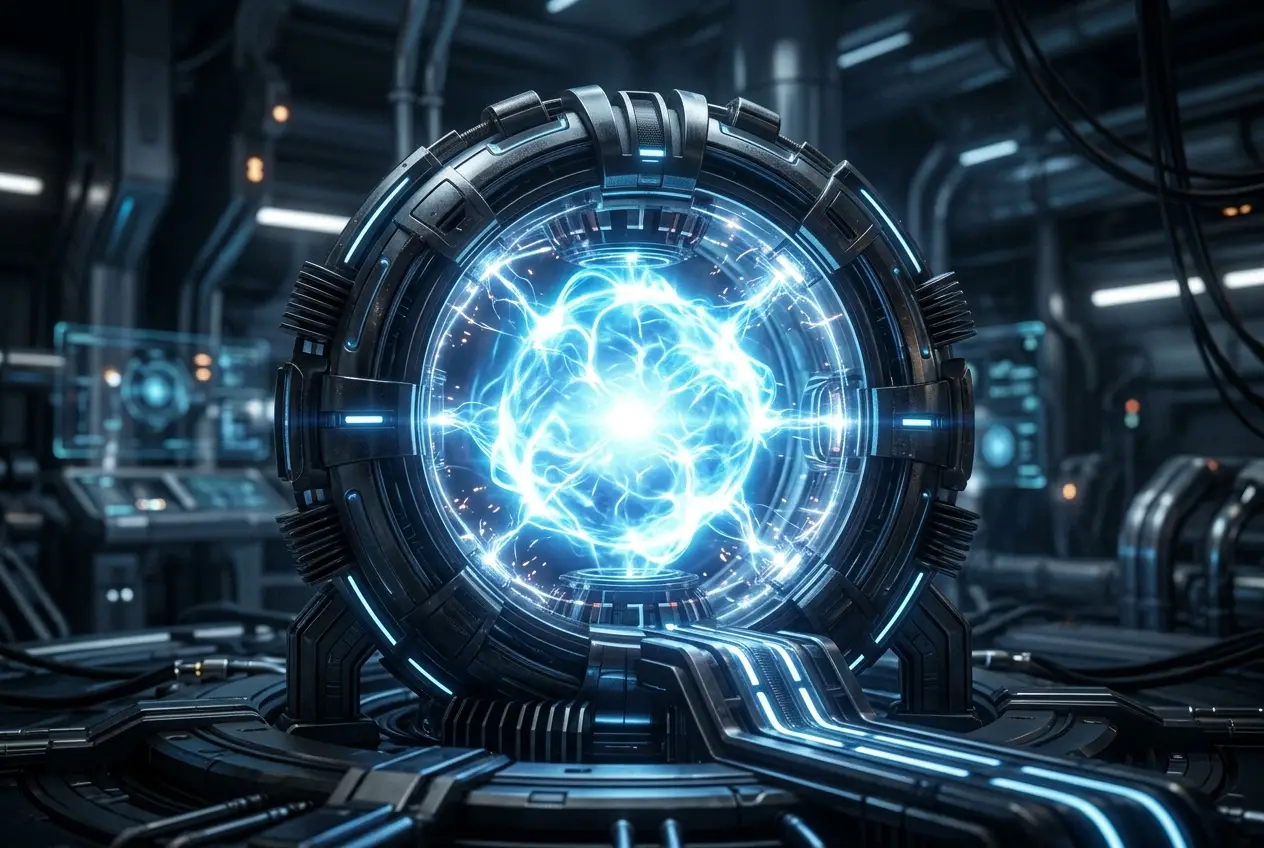
I've always been captivated by the allure of limitless energy, a dream as old as civilization itself. Imagine a world where power is abundant, cheap, and clean, free from the environmental burdens of fossil fuels and the complexities of traditional nuclear reactors. It sounds like science fiction, doesn't it? Yet, for decades, a controversial corner of physics has whispered of such a possibility: cold fusion.
The term itself sparks a blend of excitement and skepticism. For many, it evokes images of a scientific scandal, a fleeting dream that fizzled out. But what if I told you the story of cold fusion isn't over? What if, beneath the layers of scientific debate and public misconception, lies a profound truth that could redefine our energy future? I've been diving deep into this fascinating topic, and what I found suggests a persistent, albeit quiet, pursuit of what some call the holy grail of energy.
The Spark of a Scientific Controversy: Pons and Fleischmann
The story of modern cold fusion begins vividly in March 1989. Two electrochemists, Martin Fleischmann and Stanley Pons, from the University of Utah, announced to the world that they had achieved nuclear fusion at room temperature. Their experiment was remarkably simple: they immersed a palladium electrode in heavy water (deuterium oxide) and ran an electric current through it. The claim was extraordinary – their setup produced more heat than could be explained by chemical reactions alone, along with traces of tritium and neutrons, signatures of nuclear fusion.
This wasn't the violent, plasma-based fusion found in stars or experimental tokamaks, which require temperatures hotter than the sun. This was "low-energy nuclear reaction" (LENR), or as it was popularly dubbed, "cold fusion." The prospect was mind-boggling: energy on demand, without massive facilities, dangerous radiation, or radioactive waste. The world was gripped. Stock markets reacted, governments showed interest, and headlines screamed. For a brief moment, it felt like humanity's energy problems were solved.
However, the scientific community, quite rightly, demanded immediate verification. The problem? Many labs struggled to replicate the results consistently. The observed excess heat was often small, sporadic, and difficult to reproduce reliably. The lack of clear, unambiguous nuclear byproducts also raised red flags. Physics, after all, thrives on reproducibility and clear evidence. When these weren't consistently forthcoming, the initial excitement curdled into skepticism, then outright rejection. Prominent scientists declared cold fusion a case of "pathological science," and funding dried up. The careers of Pons and Fleischmann were essentially over in academia, their names synonymous with scientific misstep.
The Quiet Persistence: A Story Beyond the Headlines
Yet, the story didn't end there. While mainstream science largely turned its back, a small but dedicated community of researchers continued their investigations. They believed the initial rejection was too hasty, arguing that the phenomenon was real, albeit complex and poorly understood. They acknowledged the challenges of reproducibility but pointed to numerous instances where other laboratories did report excess heat and nuclear products, even if inconsistently.
One of the key lessons learned was that the original Pons-Fleischmann experiment was far more intricate than it appeared. The conditions within the palladium lattice, the purity of the materials, and the precise loading of deuterium seemed to play critical roles, factors that weren't fully appreciated or controlled in early replication attempts. This subfield rebranded itself as Low-Energy Nuclear Reactions (LENR) or Condensed Matter Nuclear Science (CMNS) to distance itself from the "cold fusion" stigma and to emphasize that these reactions, whatever their nature, occur within a condensed matter environment, rather than a plasma.
What Exactly is Happening (or Could Be Happening)?
The theories behind LENR are diverse and still evolving, a testament to the mystery that surrounds it. Unlike conventional hot fusion, which relies on overcoming the strong electrostatic repulsion between positively charged atomic nuclei by smashing them together at immense temperatures and pressures, LENR proposes a different mechanism.
One leading hypothesis suggests that within the unique environment of a metal lattice (like palladium or nickel) heavily loaded with deuterium or hydrogen, the electrons might screen the nuclei more effectively than predicted by classical physics. This "electron screening" could reduce the electrostatic repulsion, allowing nuclei to get close enough for nuclear reactions to occur, even at ambient temperatures. This is a radical departure from established nuclear physics, which is why it faces such strong resistance.
Another theory involves hypothetical "heavy electrons" or "polarons" forming within the lattice, which could also facilitate nuclear interactions. Some researchers even explore exotic particles or new forms of nuclear interaction. The truth is, without a consistent, verifiable theory and a widely reproducible experiment, the exact mechanism remains elusive.
The Evidence: Beyond the Hype
Despite the controversies, the LENR community points to a body of evidence that they believe cannot be easily dismissed. This includes:
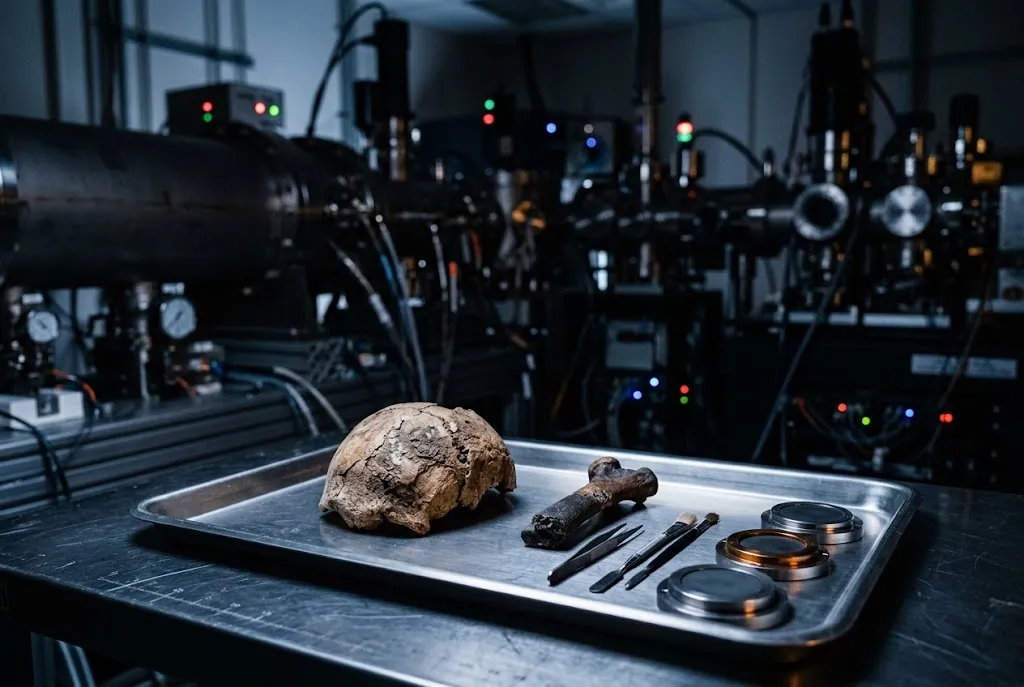
- Excess Heat: Numerous labs around the world, though not all, have reported generating more thermal energy than can be accounted for by any known chemical process in their LENR devices. Some experiments have even claimed to produce energy for weeks or months.
- Transmutation of Elements: Perhaps even more astonishing are claims of observing the transmutation of elements. This means one element changing into another, a process typically associated with high-energy nuclear reactions. If true, it suggests that nuclear processes are indeed at play. For instance, the detection of elements like copper or zinc in devices initially containing nickel is a powerful, though contested, piece of evidence.
- Low-Level Radiation: While early fears of dangerous radiation proved unfounded, some LENR experiments report very low levels of radiation, such as neutrons, protons, or gamma rays. These levels are often far below what would be expected from classical nuclear reactions producing the reported energy, making them difficult to characterize but intriguing nonetheless.
A notable example of continued research comes from companies and academic groups who have kept the flame alive. For instance, Andrea Rossi's E-Cat device, though also controversial and lacking independent peer review, has intermittently claimed to produce significant excess heat. Similarly, various university and government labs, often quietly funded, have pursued LENR research for decades. A review of such efforts can be found on platforms like Wikipedia, which details the history and current state of LENR research [https://en.wikipedia.org/wiki/Cold_fusion (opens in a new tab)].
The Obstacles and the Future
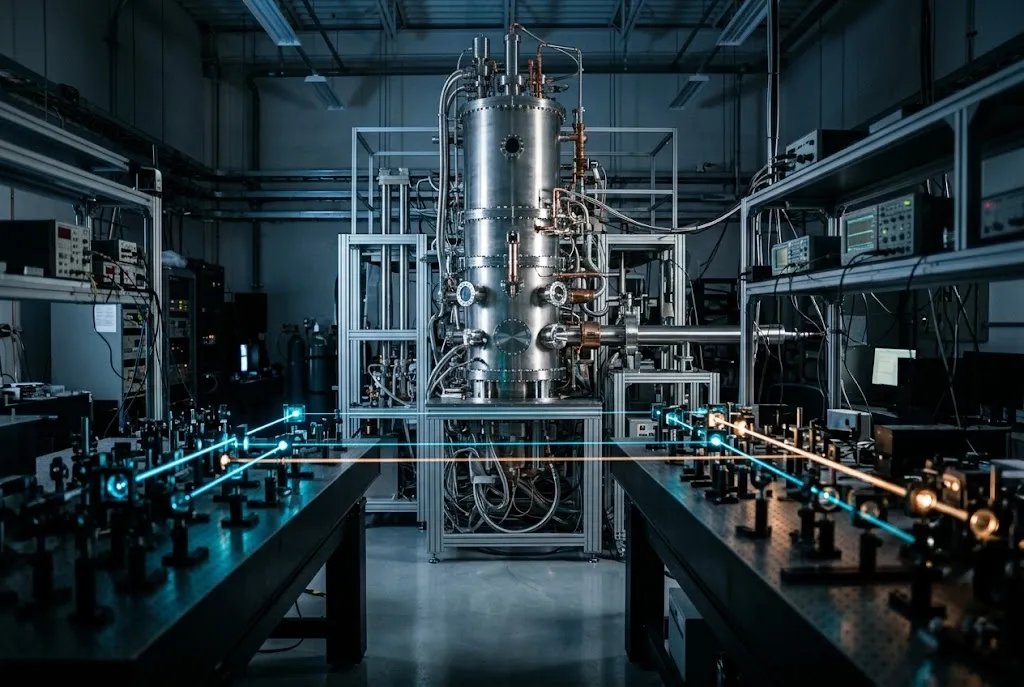
So, if there's any truth to LENR, why isn't it powering our homes? The primary obstacle remains reproducibility. Science demands consistent results under controlled conditions. Until researchers can reliably demonstrate the effect, it will struggle to gain widespread acceptance and significant funding. Without a solid theoretical framework, it's also hard to predict, control, and optimize the reactions.
Another hurdle is the legacy of skepticism. The 1989 debacle left a deep scar, making it difficult for new research in this area to be taken seriously by many in the scientific establishment. Young scientists are often advised to avoid the field to protect their careers.
However, the potential rewards are immense. If LENR could be harnessed, it could offer:
- Abundant, Clean Energy: Heavy water is plentiful, and the fuel costs would be negligible.
- Minimal Waste: No long-lived radioactive waste like in fission reactors.
- Decentralized Power: Small, self-contained reactors could power homes, factories, or even vehicles, reducing reliance on centralized grids.
The world is hungry for clean energy solutions, especially as we grapple with climate change and the complexities of our current energy infrastructure. The promise of cold fusion, or LENR, resonates deeply with this need. While challenges persist, the continued, albeit quiet, research into LENR signifies a scientific mystery that is far from settled. Perhaps, one day, the persistent efforts of a dedicated few will finally unlock one of humanity's greatest scientific dreams.
This pursuit of novel energy sources isn't unique to LENR; it echoes other quests for breakthroughs in fundamental physics and materials science. For instance, the hunt for metallic hydrogen could unlock incredible power, as discussed in our blog, "Metallic Hydrogen: Can It Unlock Unlimited Power?" /blogs/metallic-hydrogen-can-it-unlock-unlimited-power-1077. Similarly, exploring the vast potential of zero-point energy ponders another form of abundant power, a concept we covered in "Zero-Point Energy: Can the Vacuum Power Our Future?" /blogs/zero-point-energy-can-the-vacuum-power-our-future-2796. Even in other high-energy fields, such as plasma physics, the dream of limitless power drives innovation, as explored in "Can Plasma Streams Generate Limitless Energy?" /blogs/can-plasma-streams-generate-limitless-energy-8272. The common thread is a relentless drive to harness the universe's fundamental forces for humanity's benefit.
The pursuit of breakthroughs often takes unexpected turns. Just as scientists grapple with the intricacies of LENR, other fields are pushing boundaries, exploring materials like room-temperature superconductors that could revolutionize technology, a topic we touched upon in "Is Room-Temp Superconductivity Real? Tech's Holy Grail" /blogs/is-room-temp-superconductivity-real-techs-holy-grail-6519. These parallel quests for 'holy grails' demonstrate the enduring human spirit of inquiry and innovation.
The Road Ahead
I believe the future of cold fusion, or LENR, hinges on a few critical developments. First, a definitive, widely reproducible experiment is paramount. Second, a robust theoretical explanation, ideally one that can be tested and verified, would legitimize the field. Finally, continued, sustained, and transparent research, even if initially under the radar, is essential.
It's easy to dismiss phenomena that don't fit neatly into established paradigms. However, history is replete with examples of scientific discoveries that were initially met with skepticism before fundamentally changing our understanding of the world. Perhaps cold fusion is one such anomaly, patiently waiting for its moment to shine and unlock humanity's clean energy dream.




Conversation0
No comments yet. Be the first to share a thought — the best questions often become new stories.