I often gaze at the night sky, a canvas of endless stars, and feel an overwhelming sense of wonder. Is there anyone else out there? Are we truly alone in this cosmic expanse? This question, a cornerstone of astrobiology, has driven humanity for centuries. For a long time, our search was limited by human observation, the reach of our telescopes, and the sheer volume of data involved. But what if the next great leap in finding extraterrestrial life doesn't come from a human eye, but from an artificial one? I'm increasingly convinced that **Artificial Intelligence (AI)** is rapidly transforming the hunt for cosmic life, pushing the boundaries of what we can discover and even redefining what "life" might mean beyond Earth.
Imagine the universe as the ultimate needle-in-a-haystack problem. Billions of galaxies, trillions of stars, and potentially quadrillions of planets. Sifting through the immense data from powerful telescopes like the James Webb Space Telescope or upcoming missions is a task no human, or even team of humans, can fully grasp. This is where AI steps in, not just as a tool, but as a potential partner in discovery, capable of discerning patterns and anomalies that might elude our biological brains.
The Cosmic Haystack: Why Finding Life Is Hard
For generations, the search for life beyond Earth, or astrobiology, has largely focused on finding planets similar to our own, orbiting in the "habitable zone" where liquid water could exist. Missions like NASA's Kepler and TESS have identified thousands of exoplanets, each a dot of light holding potential secrets. The challenge, however, isn't just *finding* these planets, but *analyzing* them for signs of life, known as **biosignatures**. These could be specific combinations of gases in an exoplanet's atmosphere, like oxygen and methane, which on Earth are largely produced by biological processes.
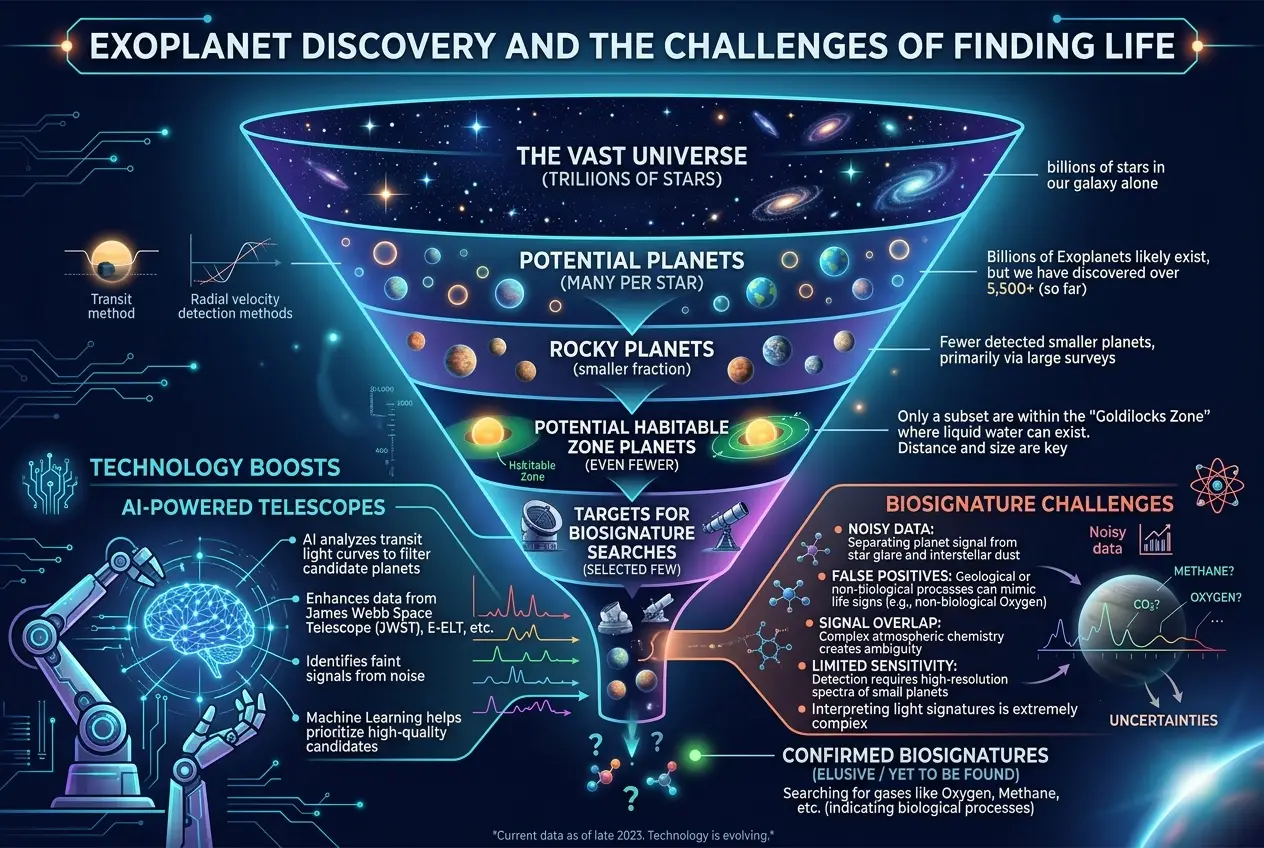
Traditional methods for detecting biosignatures involve painstaking spectral analysis, where scientists study the light passing through a planet's atmosphere to identify chemical fingerprints. This process is incredibly complex and time-consuming, and as I've observed, often relies on us knowing exactly what we're looking for – typically, life as we know it. But what if alien life doesn't breathe oxygen or produce methane? What if its chemical footprint is entirely different? Our human-centric biases could be blinding us to truly novel forms of life. For a deeper dive into the challenges of finding life, you might find this Wikipedia article on Astrobiology particularly insightful.
AI's Eye in the Sky: Beyond Human Limitations
This is where AI offers a revolutionary advantage. AI algorithms, particularly those leveraging machine learning and deep learning, excel at processing colossal datasets and identifying subtle patterns or anomalies that are imperceptible to human observers. When analyzing exoplanet data, AI can:
* **Accelerate Data Analysis:** Modern telescopes generate terabytes of data daily. AI can rapidly sift through this information, filtering out noise and flagging points of interest far quicker than any human team.
* **Enhance Biosignature Detection:** Instead of relying on a predefined list of biosignatures, AI can be trained to recognize novel patterns in atmospheric spectra that *don't* match known biological processes but are statistically unlikely to be purely geological. It can learn to differentiate between planetary processes and potential biological activity with unprecedented precision. Researchers are actively exploring how machine learning can interpret complex atmospheric data, as highlighted by sources like this article on AI in astrobiology.
* **Predict Habitability with Greater Accuracy:** By analyzing hundreds of planetary characteristics – including size, mass, orbital eccentricity, stellar type, and atmospheric composition – AI can develop more nuanced models for planetary habitability, moving beyond simple "goldilocks zone" calculations. This could lead to identifying new classes of potentially life-sustaining worlds.
"The universe is not obliged to make sense to us," famously said Neil deGrasse Tyson, emphasizing the humility required in cosmic exploration. AI helps us overcome our inherent biases by looking for patterns without preconceived notions. It can find correlations across diverse datasets that reveal a new type of 'biosignature' for life we haven't even imagined yet. For more on finding alien life, consider reading about the ongoing search for technosignatures.
Redefining Life: What Could AI Find?
One of the most exciting aspects of AI's role is its potential to challenge our very definition of life. Most of our search efforts assume carbon-based life forms that require liquid water, much like on Earth. But science has long speculated about alternative biochemistries, such as silicon-based life or organisms thriving in ammonia or methane oceans.
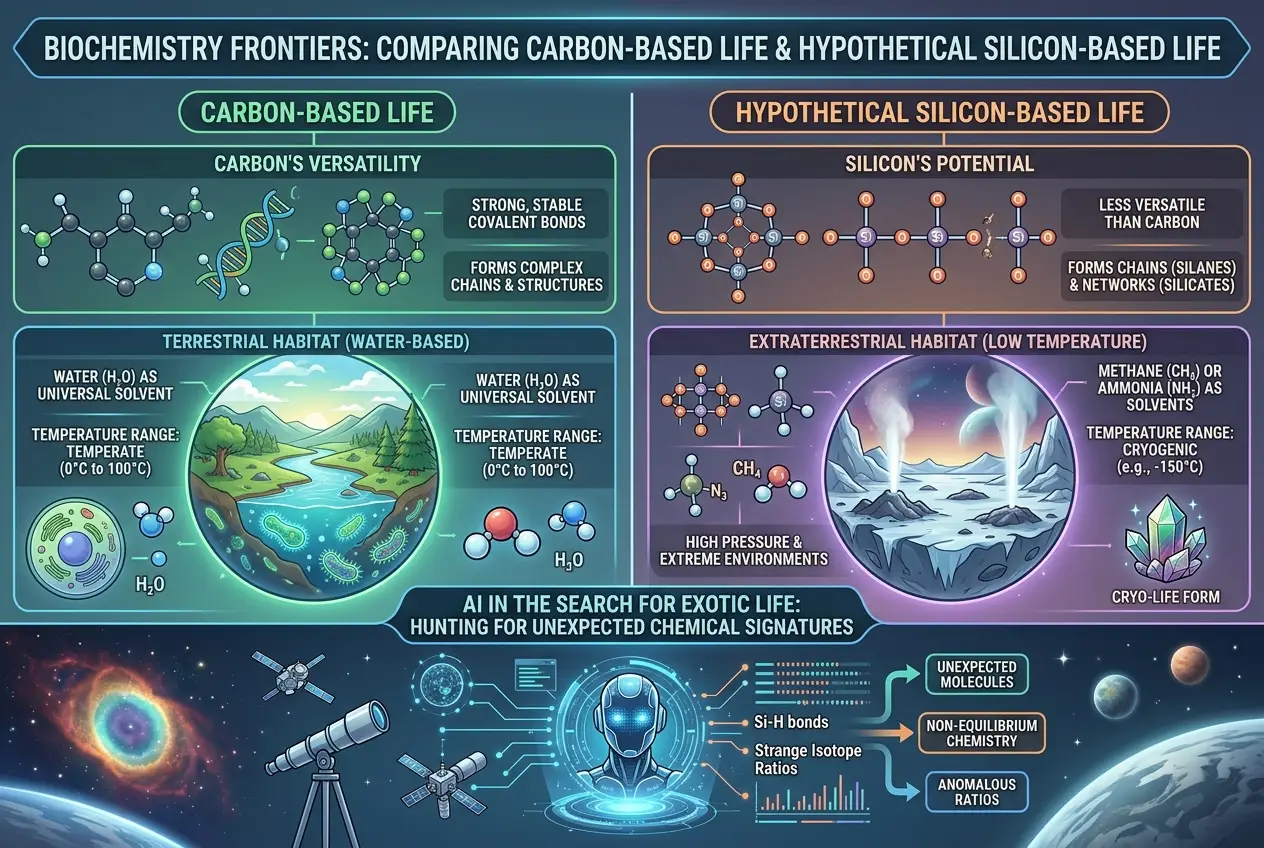
An AI trained on a vast array of chemical and physical data could identify anomalies in exoplanet atmospheres that don't fit carbon-water models but are too structured to be random. It might flag an unusual atmospheric imbalance on an otherwise cold, methane-rich world, suggesting a form of life perfectly adapted to that extreme environment. This capability extends beyond merely detecting known biosignatures; it pushes us into the realm of discovering *unforeseen* forms of life. The concept of "weird life" or even a "shadow biosphere" on Earth – microbial life with an entirely different biochemistry – provides a terrestrial analogy for what AI might uncover in space.
Could AI help us find evidence of advanced alien tech? Check out our previous article on how "Do Exoplanet Transits Hide Alien Tech?".
The Algorithms of Discovery: How AI Works
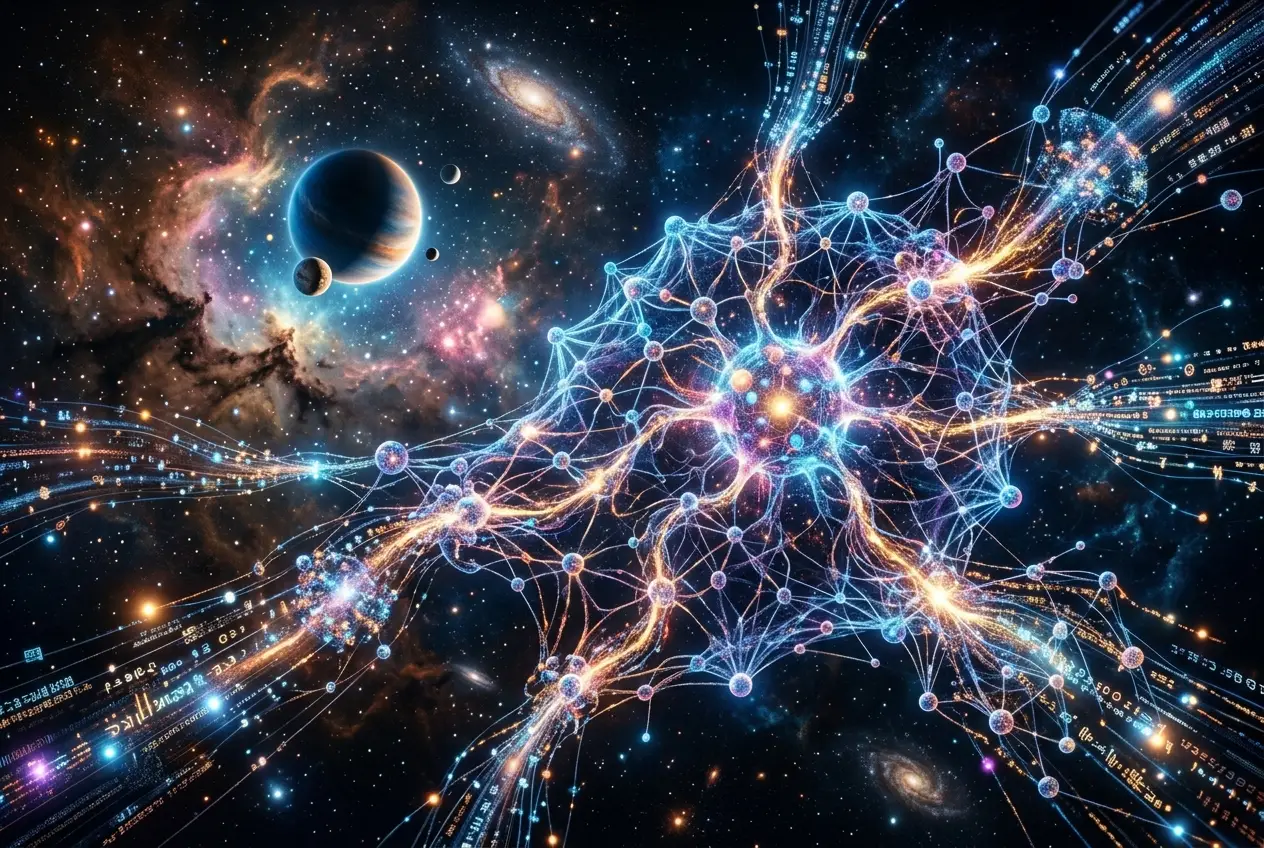
At the heart of AI's power in astrobiology are sophisticated algorithms, primarily neural networks and deep learning models. These systems are trained on massive datasets, learning to identify complex relationships and make predictions.
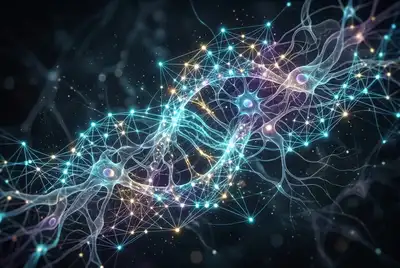
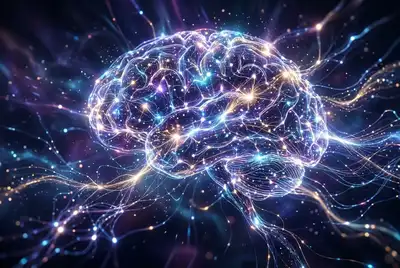
* **Neural Networks:** Inspired by the human brain, these networks consist of interconnected layers of "neurons" that process information. In the context of exoplanets, input data (e.g., light curves from transiting planets, atmospheric spectra) passes through these layers, allowing the network to learn intricate features.
* **Deep Learning:** A subset of machine learning, deep learning uses neural networks with many layers (hence "deep") to learn increasingly abstract representations of data. This allows them to handle the vast complexity of astronomical observations and distinguish subtle patterns from background noise.
* **Feature Extraction:** AI excels at automatically identifying important "features" or characteristics within data. For atmospheric spectra, this might involve pinpointing specific absorption lines that indicate the presence of certain molecules, even if those molecules aren't on our current list of biosignatures.
By leveraging these computational strengths, AI can effectively act as a super-detector, scrutinizing cosmic data with a level of detail and efficiency far beyond human capability. It offers a new lens through which we can perceive the cosmos, potentially revealing secrets about alien life that have been hidden in plain sight. For more on how AI assists in uncovering unusual cosmic events, you might be interested in "Can AI Uncover Hidden Cosmic Anomalies?".
Challenges and Ethical Frontiers
Despite its immense promise, integrating AI into the search for cosmic life isn't without its challenges.
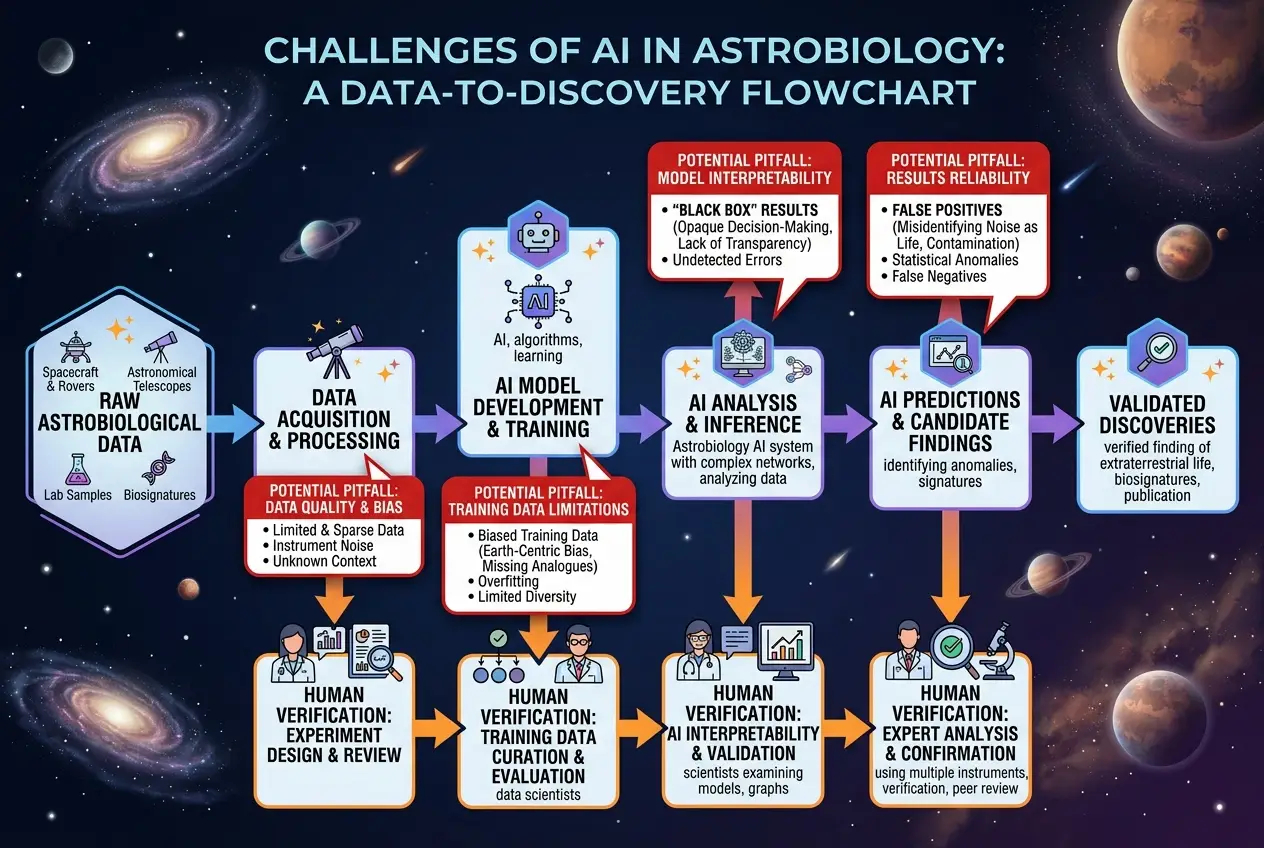
* **Data Bias:** AI models are only as good as the data they are trained on. If our training data primarily consists of Earth-like biosignatures, the AI might still struggle to identify truly novel forms of life. Developing unbiased and diverse training datasets is a critical ongoing effort.
* **Distinguishing Noise from Signal:** Space is full of natural phenomena that can mimic biosignatures. Volcanic activity, stellar flares, and complex atmospheric chemistry can all produce misleading readings. AI needs to be incredibly robust in its ability to differentiate genuine biological signals from astrophysical noise.
* **Interpretability:** Sometimes, a deep learning model might flag an anomaly without being able to explain *why* it did. This "black box" problem can make it difficult for human scientists to verify findings or understand the underlying mechanisms of detection. Developing explainable AI (XAI) is crucial for building trust and scientific rigor.
* **The Implications of Discovery:** If AI does indeed discover compelling evidence of extraterrestrial life, the implications for humanity would be profound. Ethically and philosophically, we would need to grapple with questions of contact, our place in the universe, and how we interpret such a momentous finding.
The journey to discover life beyond Earth is one of humanity's grandest endeavors. With AI as our navigator, we're not just looking further; we're looking *smarter*. The algorithms are learning, the telescopes are scanning, and the universe continues to whisper its secrets. Perhaps soon, an AI will be the first to truly understand those whispers, ushering in an era where we finally confirm that we are not alone. The question isn't whether life exists elsewhere, but how quickly our machines will help us find it.
Frequently Asked Questions
AI can process astronomical datasets orders of magnitude larger and faster than humans, identifying subtle patterns or anomalies in atmospheric spectra and planetary characteristics that would otherwise be missed, thereby reducing human bias in the search.
AI could discover forms of life based on alternative biochemistries (e.g., silicon-based life) or those thriving in extreme environments unlike Earth's. By identifying novel and statistically improbable chemical signatures, AI can push beyond our current carbon-water-centric understanding of life.
A biosignature is any substance (like a gas or molecule) or phenomenon that provides scientific evidence of past or present life. AI enhances detection by performing complex spectral analysis to identify these signatures and even learning to recognize new, unexpected patterns that could indicate life.
Yes, ethical concerns include how humanity would react to such a discovery, the implications for our place in the universe, and potential questions surrounding contact protocols. There are also ethical considerations in AI development itself, such as preventing biases in algorithms that could skew discovery.
AI models are trained on vast datasets of both known biological and non-biological (astrophysical) phenomena. Through deep learning, they develop sophisticated filters and pattern recognition capabilities to distinguish between naturally occurring cosmic processes and those that are statistically indicative of life.
Verified Expert
Alex Rivers
A professional researcher since age twelve, I delve into mysteries and ignite curiosity by presenting an array of compelling possibilities. I will heighten your curiosity, but by the end, you will possess profound knowledge.
Leave a Reply
Comments (0)
No approved comments yet. Be the first to share your thoughts!
 Join Us

 Unknown Author













Leave a Reply
Comments (0)