



I’ll never forget the first time I saw true bioluminescence in nature. It was on a moonless night, deep within a redwood forest. Every step I took disturbed the soil, sending miniature explosions of ethereal, green light rippling across the forest floor from glowing fungi. It was like walking through a fairytale, a truly magical experience that made me wonder: if I, with my modern understanding, found this so astonishing, what must ancient people have thought? And more intriguingly, did they try to replicate it? Did they look at the natural world, at fireflies or glowing algae, and strive to harness that mysterious, "cold" light?
For centuries, myths and legends from various ancient cultures have hinted at the existence of "eternal lamps" or perpetually glowing objects. From the legendary ever-burning lamps in the tomb of Pallas, son of Evander, described by Plutarch, to the cryptic accounts of self-illuminating chambers in ancient texts, these stories have fueled the imagination. While many are dismissed as mere folklore or misinterpretations, I can't help but ask: Is it possible some of these tales, rather than speaking of impossible perpetual motion machines, were actually describing ingenious ancient attempts to replicate natural bioluminescence or phosphorescence?
Unpacking the Mystery of "Cold Light"
Bioluminescence is a fascinating natural phenomenon where living organisms produce light through a chemical reaction. Think of fireflies blinking in the summer night, the eerie glow of deep-sea creatures, or the shimmering waves caused by dinoflagellates in certain oceans. This light is often referred to as "cold light" because very little heat is generated, unlike a conventional flame or incandescent bulb. The process typically involves a light-emitting molecule, luciferin, and an enzyme, luciferase, along with oxygen and ATP (adenosine triphosphate) for energy.
On the other hand, phosphorescence is a type of photoluminescence where a substance absorbs light or other electromagnetic radiation and then re-emits it slowly over time, even after the original light source has been removed. Many ancient minerals, certain organic compounds, and even some natural pigments exhibit this property.
The question then becomes: given their deep observational knowledge of the natural world, did ancient civilizations not only observe these phenomena but also develop methods to cultivate or synthesize similar glowing materials?
Ancient Evidence and Whispers of Glowing Tech
While concrete archaeological evidence of deliberate bioluminescent replication is scarce, historical accounts and peculiar artifacts offer tantalizing clues.
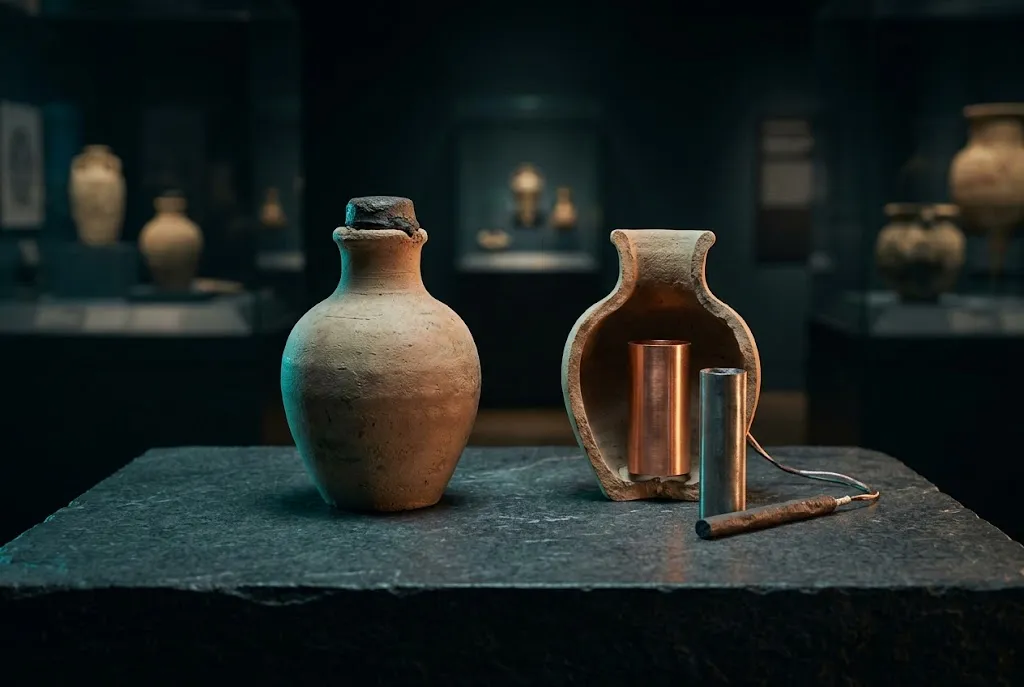
1. The "Eternal Lamps" Enigma: Ancient texts, particularly those from Egypt, Rome, and China, occasionally speak of lamps that burned indefinitely without fuel. While clearly exaggerated for dramatic effect or symbolic meaning, some scholars ponder if these accounts might stem from discoveries of long-lasting phosphorescent materials or even biological cultures that emitted a steady, faint glow. For instance, the myth of the "deathless lamp" from the temple of Jupiter Ammon in Egypt, or the rumored lamps in the tomb of the Roman general Pallas, are frequently cited. Could these be romanticized versions of genuinely long-lasting, low-energy light sources? I find it hard to believe they were truly eternal, but perhaps they lasted for years, creating an illusion of perpetuity. This echoes a similar curiosity we explored in a previous post about whether ancient cultures crafted immortal lamps. You can read more about that fascinating topic here: Did ancient cultures craft immortal lamps?
2. Glowing Fungi and Bacteria: Ancient people were intimately connected with their environment. They would have observed glowing wood in damp forests, a phenomenon caused by bioluminescent fungi like Panellus stipticus or Armillaria mellea. They would have also noticed glowing meat or fish left out, due to bioluminescent bacteria. Is it too far-fetched to imagine that they might have tried to cultivate these natural sources of light? Imagine a shaman or priest using glowing fungi in a dark ritual chamber, or a miner using glowing wood to illuminate a dangerous tunnel. Such applications would have been incredibly valuable before the advent of reliable artificial light.
3. Phosphorescent Minerals and Pigments: Many natural minerals, such as calcite, fluorite, and zinc sulfide, exhibit phosphorescence. Ancient jewelers and artisans were skilled in working with natural materials. It's plausible that they discovered and utilized phosphorescent minerals, perhaps grinding them into pigments for decorative purposes or incorporating them into objects that would glow faintly after being exposed to sunlight. Imagine a temple mural that subtly glows after dusk, adding to the mystique of the sacred space. Early Chinese records, for example, mention "night-shining pearls" which could have been naturally phosphorescent stones.
4. Chemiluminescent Compounds (Accidental or Intentional?): While true chemiluminescence (light from a chemical reaction without significant heat) is more complex than simple phosphorescence or biological light, ancient alchemists and artisans were adept at combining various substances. Could they have stumbled upon rudimentary chemiluminescent reactions by accident? Some ancient dyes and pigments involved complex chemical processes. It’s a long shot, but the possibility exists that certain combinations of readily available materials could have produced a faint, transient glow. We've often pondered if ancient civilizations had "light without heat" in other contexts, which you can explore further here: Did ancients create light without heat?
The Science Behind the 'How'
If ancient civilizations did replicate bioluminescence, even indirectly, how might they have done it?
- Fungal Cultivation: This seems the most straightforward. Ancient cultures had sophisticated agricultural practices. They understood how to cultivate edible mushrooms. It wouldn't be a huge leap to observe naturally glowing fungi and attempt to grow them in controlled environments, perhaps on specific types of wood or organic matter that prolonged their glow. The challenges would be maintaining the right humidity, temperature, and nutrient conditions to keep the fungi alive and glowing.
- Bacterial Cultures: Cultivating bioluminescent bacteria might be trickier, but not impossible. Ancient peoples used fermentation processes for food and drink, demonstrating an understanding of microbial activity, even if they didn't know the microscopic details. If they observed glowing fish or meat, they might have tried to keep "starter" cultures alive in specific mediums, perhaps a brine or organic broth, to create glowing liquids or surfaces.
- Mineral Preparation: Discovering and processing phosphorescent minerals would involve geological knowledge and mineralogy. Grinding these minerals into fine powders and mixing them with binders (like tree sap or egg whites) to create glowing paints or coatings would have been a practical application. The longevity of the glow would depend on the mineral's properties and how it was 'charged' by natural light.
Consider the profound impact such discoveries would have had. In a world plunged into darkness every night, a steady source of cold light, even if dim, would have been invaluable for religious ceremonies, marking paths, illuminating tombs, or even as a simple wonder. It might have been considered sacred, a gift from the gods.
Modern Parallels and Unanswered Questions
Today, scientists are actively exploring bioluminescence for various applications, from medical imaging to sustainable lighting. We're even engineering plants to glow. It’s ironic that we, with all our advanced technology, are trying to achieve what ancient civilizations might have been attempting with far simpler means.
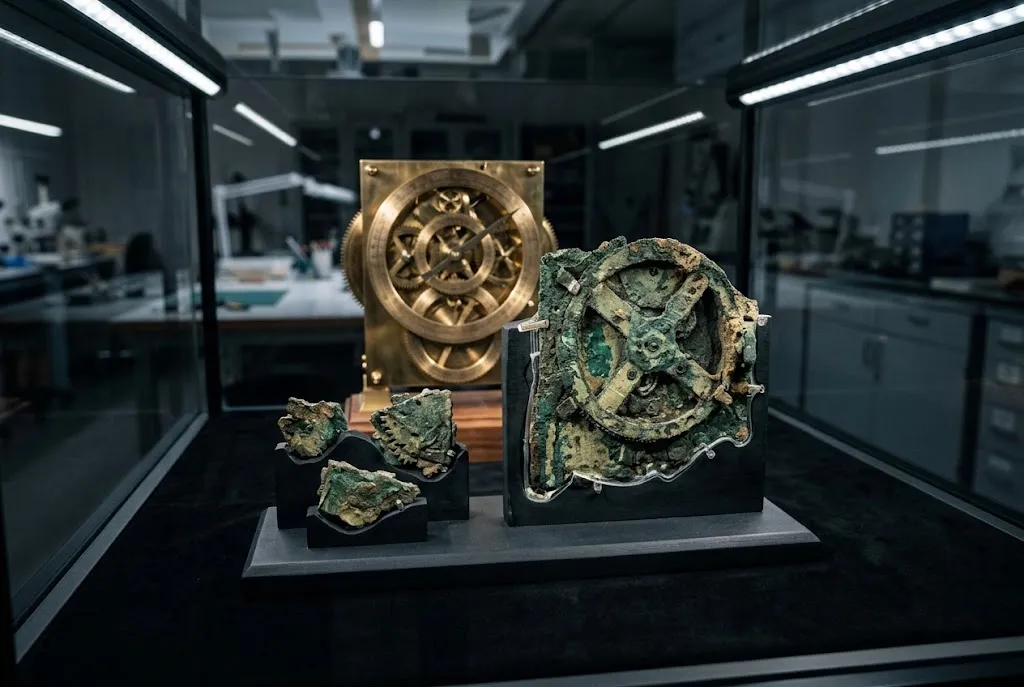
The lack of definitive archaeological proof for deliberately cultivated bioluminescent light sources remains a significant hurdle. Many artifacts that might have once contained glowing materials would have decayed over millennia. What we have are often ambiguous texts and tantalizing possibilities. But the very human desire to understand and harness natural phenomena is universal and timeless. It makes me reflect on the broader category of "impossible artifacts" and the clues they offer to lost ancient tech, a topic we've covered before: Impossible artifacts: clues to lost ancient tech?
Could ancient societies have possessed a deeper, more intuitive understanding of natural science that allowed them to manipulate these phenomena without the need for complex chemical formulas or high-tech laboratories? Perhaps their methods were organic, empirical, and driven by observation and trial-and-error over generations.
Ultimately, whether ancient people truly "replicated" bioluminescence in a controlled, technological sense or simply utilized naturally glowing materials remains a captivating mystery. But the possibility itself opens a window into a world where our ancestors were not just superstitious observers, but astute scientists and engineers, harnessing the subtle powers of nature in ways we are only beginning to re-imagine. I believe there’s a lot we can learn by looking back at how they interacted with the world around them.



Conversation0
No comments yet. Be the first to share a thought — the best questions often become new stories.